Kenya’s history is deeply tied to struggle, sacrifice and resistance. Independence was not handed to Kenyans willingly by the colonial government. It came through years of rebellion, detention, torture and loss of life.
Many freedom fighters gave everything they had so future generations could live in a country built on justice, dignity and equal opportunity. More than 60 years later, however, many Kenyans still feel they must fight to be heard.
During the struggle for independence, the demands put up included freedom from colonial rule, access to land, political representation and human dignity, among others. Today, the frustration, especially among young people, has become increasingly visible.
Many educated graduates remain jobless for years despite working hard and doing everything society asks of them. Small businesses are collapsing under economic pressure, while many families struggle to afford rent, school fees, healthcare and other basic necessities. Rising taxes, corruption, poor public services and widening inequality have only deepened the feeling that ordinary citizens are being left behind.
But these frustrations did not emerge overnight. They are tied to a much longer history of political tension, public mistrust and unresolved injustice in Kenya. For many citizens, disappointment in leadership has been building across generations. The assassinations of leaders such as Tom Mboya and Josiah Mwangi Kariuki left painful questions that were never fully answered and weakened public confidence in state institutions.
In
the 1990s, as Kenyans pushed for multiparty democracy, protests and police
crackdowns became increasingly common. Citizens calling for reforms were often
met with force. Even so, many still believed the country was slowly moving
toward a more democratic and accountable future.
That hope, however, was shaken during the 2007-08 post-election violence. Following disputed election results, communities turned against each other in one of the darkest periods in Kenya’s history. More than 1,100 people lost their lives, while hundreds of thousands more were displaced from their homes. Families were separated and businesses destroyed. Nearly two decades later, many survivors still carry emotional and economic scars from that violence.
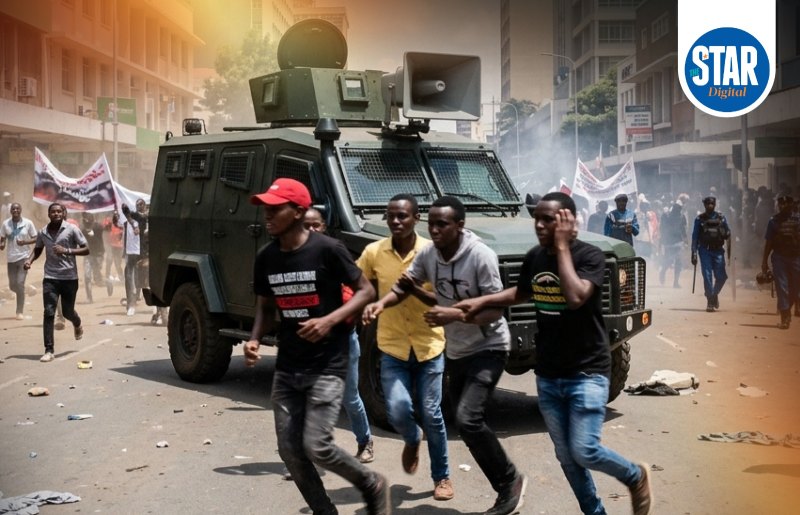
More recently, demonstrations linked to the high cost of living, governance concerns and taxation have once again exposed the growing frustration among ordinary Kenyans. In 2023, protests over the rising cost of living resulted in hundreds of deaths and injuries when police decided to break up the demonstrations with violence.
In 2024, Gen Z-led demonstrations against the Finance Bill brought thousands of young people to the streets demanding accountability, economic justice and better governance. There was even more deadly police force in 2025 during the June 25 anniversary and the Saba Saba protests.
Many of these protesters were unarmed. They carried Kenyan flags, mobile phones, whistles and handwritten placards. Some were university students, creatives, small business owners and unemployed graduates.
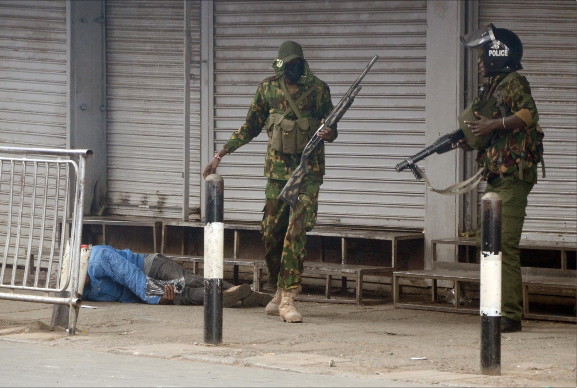
Police killings during the recent protests over the high cost of fuel should have all of us worried; we have yet to see the worst from this police force (not service). The irony is that the William Ruto regime said it would compensate these victims, even though that mandate lies with the Kenya National Commission on Human Rights. But it seems that its police force cannot just stop killing Kenyans.
The 2010 constitution promised a more democratic Kenya where citizens could express themselves freely and participate in public life without fear of being harmed or killed. Article 37 guarantees every Kenyan the right to peaceful assembly, demonstration and picketing.
However, protests in the country still too often end in injuries, arrests, destruction and loss of life because of an overzealous police force backed by a regime that has shown contempt for our lives.
Programme
Manager for Political Accountability in State Institutions at the
Kenya Human Rights Commission (KHRC)
![[PHOTOS] The new Ngong –Naivasha Road viaduct](https://cdn.radioafrica.digital/image/2026/06/64d4f771-4432-4aee-ba3c-2f304c4436ec.jpg)




![[PHOTOS] 'Mr Speaker Sir' Gen Z protester in court](https://cdn.radioafrica.digital/image/2026/06/b3e62d8e-25c3-4780-90f9-4eb48b1ce8a7.jpg)