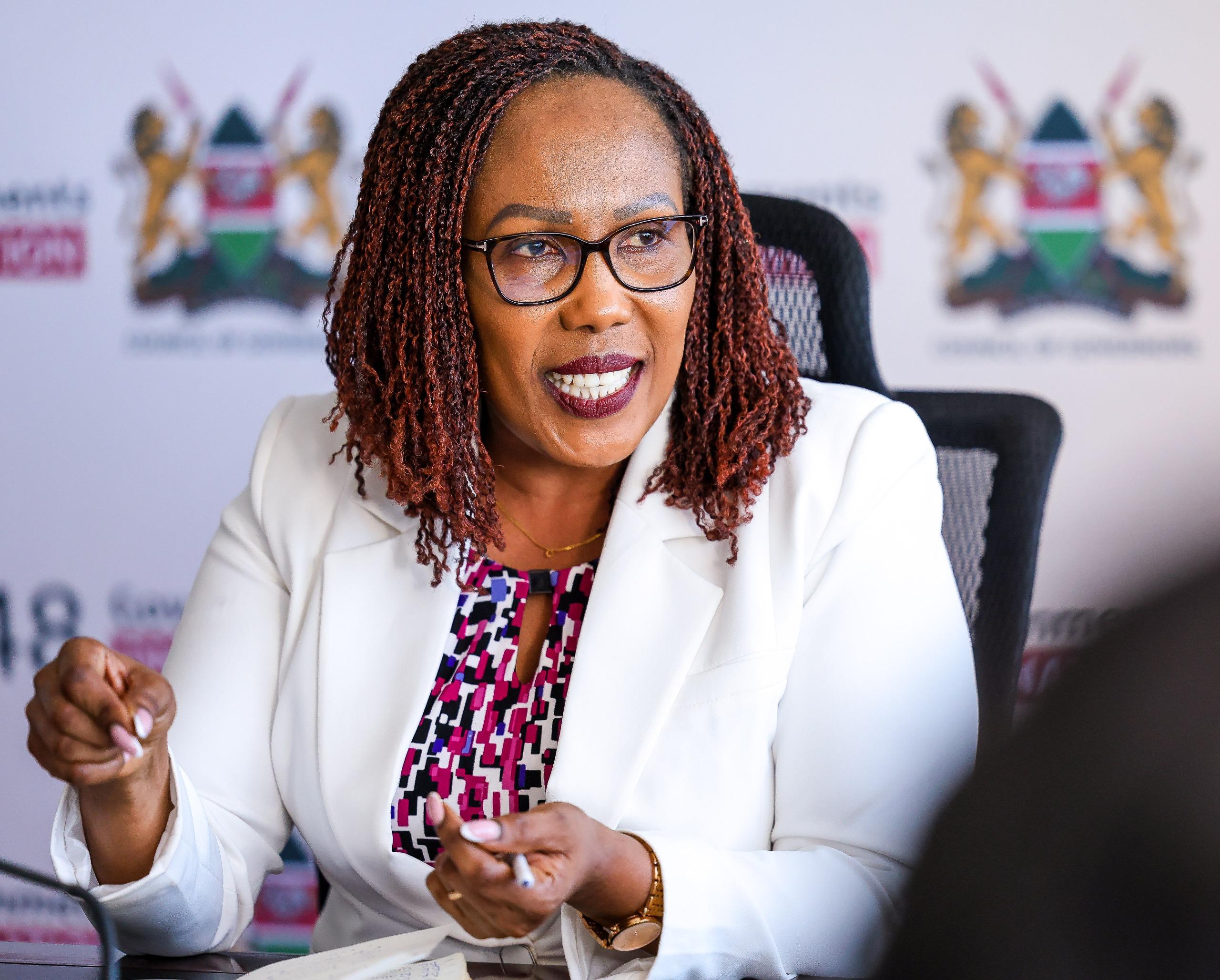

To appreciate the centrality of accountability in Kenya’s governance journey, one must reflect on the pre-2010 constitutional order. The centralized system under the repealed Constitution fostered perceptions of a distant, unresponsive, and largely unaccountable state.Patronage networks flourished, and citizens often felt disconnected from decisions affecting their lives.
The promulgation of the Constitution of Kenya, 2010 marked a turning point. Power was brought closer to the people. Resources were directed where needs exist. Leadership was designed to be accountable at the grassroots level. Devolution remains Kenya’s most consequential governance reform, aimed at addressing long-standing accountability deficits.
At its simplest, accountability refers to the obligation of public officers and institutions to exercise authority responsibly and answer for their actions. Power must be exercised in trust — and that trust must be earned through transparency, responsiveness, and performance.
Accountability operates in three dimensions. Horizontal accountability exists where state institutions such as Parliament and the Judiciary check and balance one another. Vertical accountability is exercised by citizens through elections, where leaders are rewarded or sanctioned at the ballot.
Diagonal accountability empowers citizens to directly engage in oversight processes, enabling them to monitor, question, and influence public service delivery in real time rather than waiting for electoral cycles. It bridges the gap between citizens and state institutions.
One of the most practical expressions of diagonal accountability in Kenya today is the Community Score Card (CSC). The Community Score Card is a participatory approach that engages citizens in evaluating and monitoring the performance of public service providers.
It emphasizes constructive engagement rather than confrontation. It transforms citizens from passive recipients of services into active partners in governance. By fostering mutual accountability, the CSC builds trust, enhances transparency, and promotes responsiveness within public institutions.
The CSC aligns with constitutional principles of public participation, transparency, and accountability as enshrined in Articles 10 and 174 of the Constitution. It complements existing oversight frameworks by providing real-time, local-level feedback that can inform policy decisions and resource allocation.
County Governments, as the primary providers of essential services such as health, water, and agriculture, are uniquely positioned to benefit from this approach. The CSC offers Counties a structured mechanism to deepen public participation, moving beyond compliance to meaningful engagement that yields co-production of solutions. However, for the CSC to realize its full potential, several critical enablers must be in place.
Firstly, there must be political will and administrative commitment at the county level to institutionalize the tool within sectors and planning and budgeting processes. Secondly, capacity building is essential to ensure that both citizens and public officers understand the methodology and can engage effectively.
Thirdly, there must be clear mechanisms for tracking and reporting on agreed actions. Importantly, the CSC should not be seen as a standalone intervention but as part of a broader ecosystem of social accountability initiatives.
When integrated with tools such as public expenditure tracking and participatory budgeting, it can significantly enhance governance outcomes and service delivery performance. At a time when citizens are increasingly demanding greater transparency and value for public resources, the Community Score Card offers a timely and practical solution.
It operationalizes diagonal accountability by creating structured spaces for dialogue, evidence generation, and joint action. Ultimately, the promise of devolution will not be fulfilled by systems alone, but by the strength of relationships between citizens and government.
The Community Score Card reminds us that accountability is not merely about oversight, it is about partnership. By embracing this approach, County Governments can move closer to a governance model that is accountable, inclusive, responsive, and transformative.


![[PHOTOS] The new Ngong –Naivasha Road viaduct](https://cdn.radioafrica.digital/image/2026/06/64d4f771-4432-4aee-ba3c-2f304c4436ec.jpg)









![[PHOTOS] 'Mr Speaker Sir' Gen Z protester in court](https://cdn.radioafrica.digital/image/2026/06/b3e62d8e-25c3-4780-90f9-4eb48b1ce8a7.jpg)