

EDITORIAL: Murkomen, IEBC must nip 2027 violence now
Law and order cannot be a subject of debate.
7d agoJosephine MayuyaLeader
Credible elections are not secured by technology alone. They are sustained by legitimacy.
In Summary

Audio By Vocalize
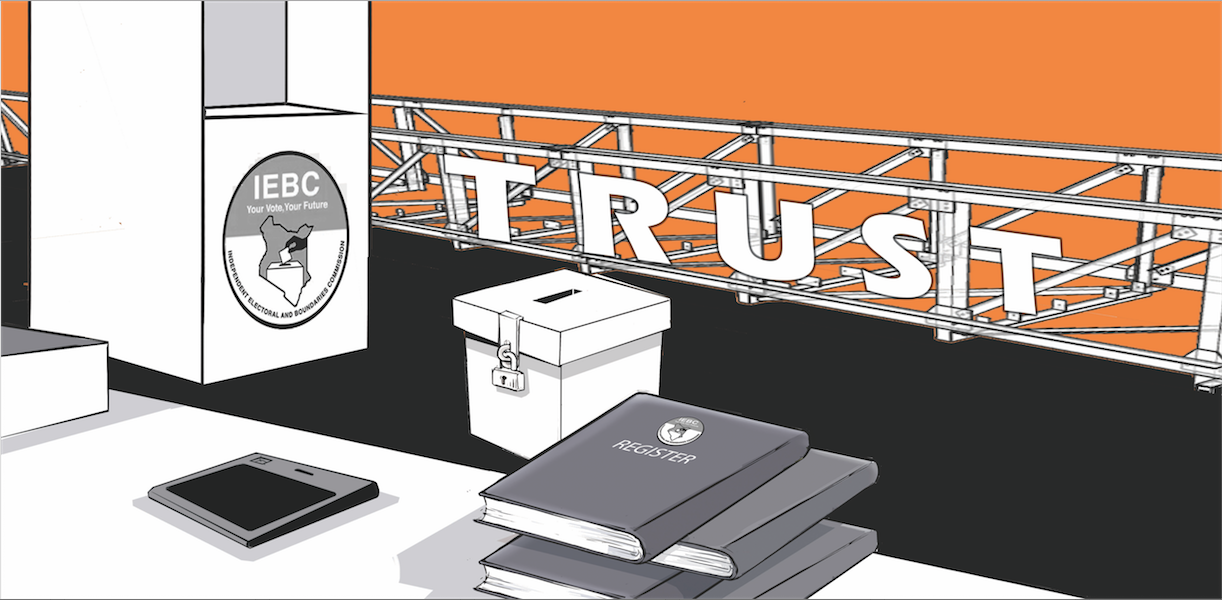
The November 27 by-elections may be over, but their message is unmistakable: Kenya’s greatest electoral risk heading into 2027 is not technology—it is trust.
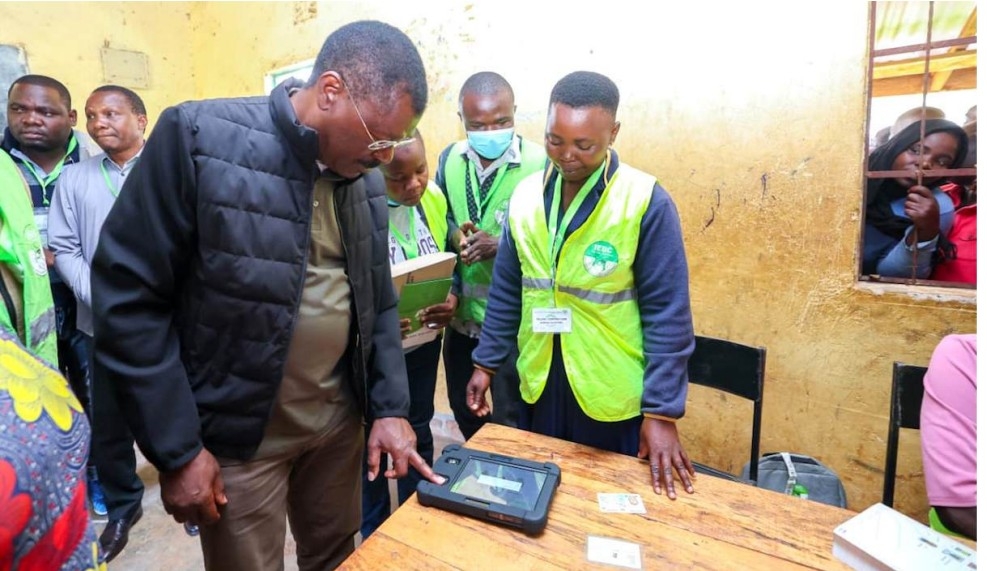
On the surface, the Independent Electoral and Boundaries Commission delivered a technically sound exercise. KIEMS kits reportedly functioned at an impressive 99 per cent efficiency. Yet beyond the numbers lay a more troubling reality. Incidents of violence, voter intimidation and open bribery revealed that the most serious threats to democracy are human, not digital.
As political alignments shift, coalitions strain, and early campaign manoeuvres intensify, the IEBC now faces its most consequential test—not merely running an election, but restoring public confidence in the electoral process itself.
This challenge is neither abstract nor speculative. It has been clearly articulated by the Supreme Court. In a landmark advisory opinion, the court diagnosed a “deep-seated trust deficit between Kenyans, the IEBC and the electoral process.”
The justices were unequivocal, attributing this crisis to “decades of politicisation of the electoral process, relentless attacks on the commission’s independence and failure to implement electoral reforms in good time and in good faith.”
That declaration fundamentally reframes the IEBC’s mandate. Success in 2027 will not be judged by budget allocations, voter registration statistics or system uptime. It will be measured by whether the commission can heal this credibility gap and convince Kenyans that their vote will be protected, counted and respected.
The political environment makes this task especially difficult. The by-elections offered a preview of the high-stakes contest already underway. With the ruling coalition showing a political war chest and the opposition consolidating under a 'United Front', every electoral process is increasingly viewed as a battlefield.
In such a climate, the IEBC is often treated less as an impartial referee and more as an institution to be pressured, captured or discredited.
It is in this context that IEBC chairperson Erastus Ethekon’s warning against attempts to “infiltrate and influence” election officials must be taken seriously. While the commission’s assertion that “stealing elections is impossible” due to system safeguards may reassure some, it risks masking a more insidious danger.
Elections are rarely stolen in one dramatic act. They are eroded slowly—through localised violence, intimidation of officials, voter suppression and the normalisation of malpractice that cumulatively undermines the people’s will.
The lesson from November is clear: credible elections are not secured by technology alone. They are sustained by legitimacy.
To meet this moment, the IEBC must fundamentally recalibrate its approach. Stakeholder engagement cannot remain episodic, reactive or symbolic. It must become continuous, substantive and transparent across the entire electoral cycle. This is the practical response demanded by the Supreme Court’s warning.
This means institutionalising regular, structured engagements with political parties—not just during crises, but as part of routine preparation. It requires openly addressing grievances, sharing timelines and collaboratively reviewing lessons from past polls. It demands a genuine working relationship with civil society and the media, where monitoring reports are treated as early-warning tools rather than adversarial attacks.
Most critically, the commission must deepen voter education. Beyond registration logistics, Kenyans must understand the safeguards protecting their vote, the channels available to report violations and their own role in defending electoral integrity. An informed electorate is the strongest antidote to fear, manipulation and apathy.
The Supreme Court issued a dual charge: to the IEBC, to rebuild public confidence; and to political leaders, to “channel their power and influence toward addressing structural weaknesses, enhancing accountability, and reinforcing public confidence.” This responsibility cannot be delegated or deferred.
The November by-elections demonstrated that the IEBC can conduct elections. The harder task—protecting the soul of the process—still lies ahead. For 2027 to genuinely reflect Kenya’s democratic will, the commission must show the courage to enforce the law without fear or favour and the commitment to build durable bridges of trust with all stakeholders.
The time to begin that work is now.
The Writer is a Strategic advisor and expert in leadership and governance.
Law and order cannot be a subject of debate.