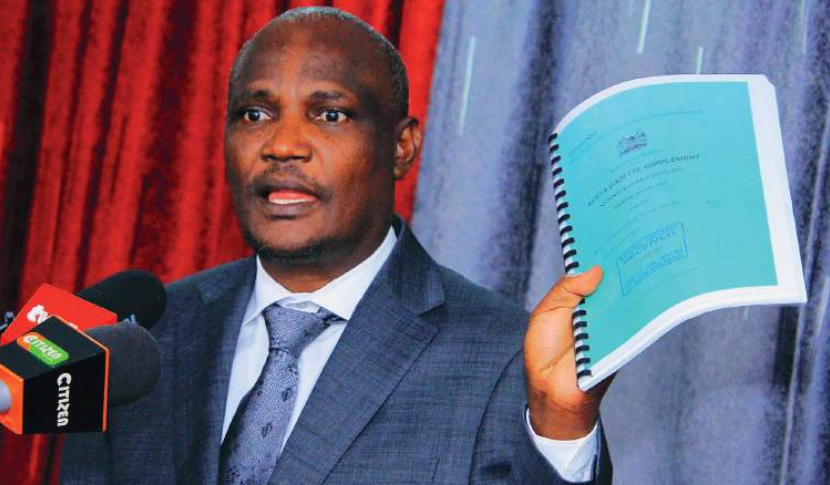
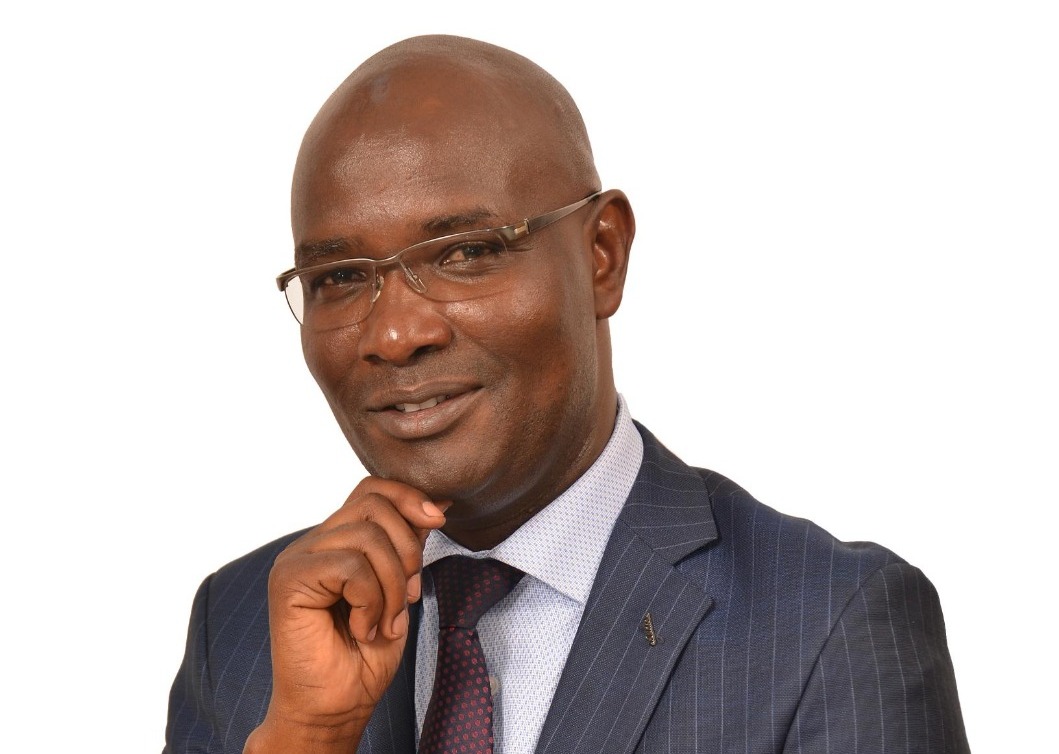
 Eliud Muriithi, Director, Commercial Services, KEMSA
The Mental Month of May reminded us that every Mental Health Month presents an opportunity to reflect on the state of mental well-being in our communities and renew our commitment to creating a society where seeking help is viewed as strength rather than weakness.
In Kenya, this conversation is especially urgent for men, who continue to face unique social and cultural pressures that often discourage them from speaking openly about emotional struggles.
For generations, many Kenyan men have grown up hearing phrases such as "be strong," "man up," and "boys don't cry." While resilience is an important quality, these expectations have contributed to a culture where vulnerability is often mistaken for weakness.
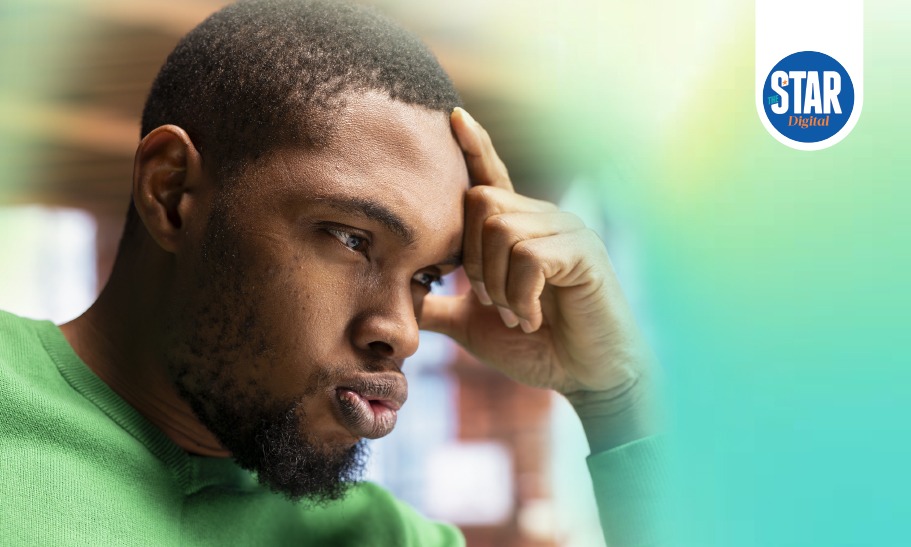
As a result, many men suffer in silence, delaying or avoiding professional support until their mental health challenges become severe.
The Ministry of Health recognises mental health as a major public health concern. According to the Ministry, approximately 10.3 per cent of Kenyans are affected by common mental disorders, while an estimated 42 per cent of individuals seeking primary healthcare services experience severe depression.
The Ministry has also highlighted a mental health treatment gap of about 75 per cent, meaning many people who need care are not receiving it.
The impact on men is particularly concerning. Although mental health challenges affect both men and women, evidence shows that men are significantly less likely to seek psychological support due to stigma, social expectations, and fear of judgment. This reluctance can have devastating consequences.
Recent reports in Kenya indicate that men account for the majority of suicide deaths. Some analyses suggest that eight out of every ten reported suicide cases involve men, highlighting a growing crisis that demands urgent attention.
The World Health Organization (WHO) identifies suicide as a major global public health challenge, with more than 720,000 people dying by suicide annually worldwide. WHO further notes that nearly three-quarters of global suicides occur in low- and middle-income countries, including Kenya.
Risk factors include depression, alcohol and substance misuse, financial stress, relationship difficulties, social isolation, and exposure to violence or trauma.
In Kenya, many of these risk factors intersect with the realities faced by men. Economic uncertainty, unemployment, family responsibilities, social expectations, and limited emotional support networks can place enormous psychological strain on men.
Online discussions and community conversations increasingly reveal feelings of hopelessness, financial pressure, and emotional exhaustion among young and middle-aged men.
Encouragingly, progress is being made. The Ministry of Health has launched Kenya's first Clinical Guidelines for the Management of Common Mental Disorders and adapted the WHO Mental Health Gap Action Programme to strengthen mental health services across the country. These initiatives aim to improve early identification, diagnosis, treatment, and referral of mental health conditions at the primary healthcare level.
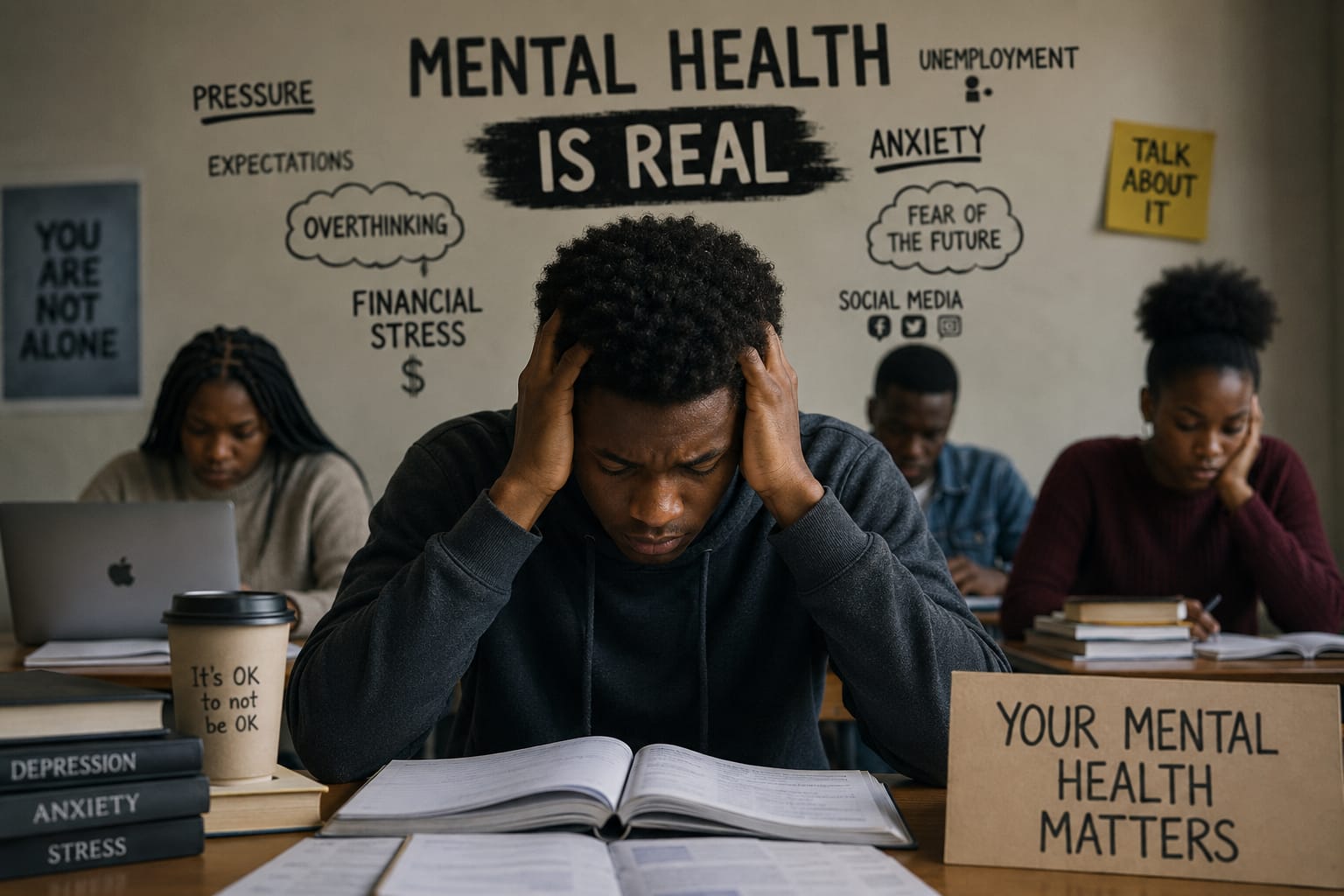
However, policy alone is not enough. Communities, workplaces, schools, faith-based organisations, and families all have a role to play. Creating safe spaces where men can discuss stress, grief, anxiety, depression, and other mental health concerns without fear of ridicule is essential. Mental health literacy should become part of everyday conversations, helping people recognise warning signs and seek support early.
As we close the curtains on Mental Month, the message is clear: mental health is health. Seeking help is not a sign of weakness but an act of courage. Kenyan men deserve environments where they can express emotions, access care, and receive support without stigma.
The future of mental health in Kenya depends not only on expanding services but also on changing attitudes. By breaking the silence around men's mental health, we can save lives, strengthen families, and build healthier communities for generations to come.
Eliud is an acclaimed author on mental wellness and was overwhelmingly nominated the Star Person of the Year 2025 for Mental Health Advocacy