


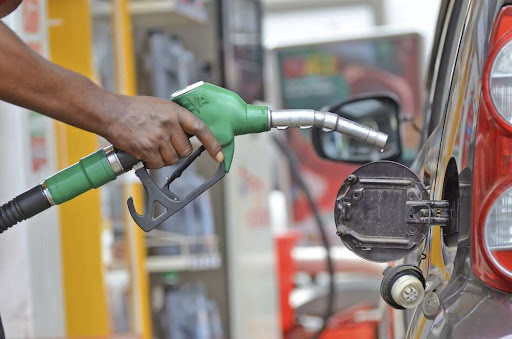
 A pump attendant fuels a vehicle. /FILE
A new TIFA poll shows that Kenyans expect sharp household pressures following the April fuel price increases, with food and transport costs emerging as the most immediate concerns.
The survey indicates that nearly all respondents who said they would be affected by the fuel price changes, about 96 per cent, expect knock-on effects in their daily lives.
The most commonly anticipated impact is increased food prices, cited by 72 per cent of respondents. Closely following is Increased Transport Costs, mentioned by 69 per cent.
Other expected effects were reported at significantly lower levels. These include increased cooking fuel cost at 15 per cent, more dificult to pay school fees at 11 per cent, and increased farming costs at 5 per cent.
A small proportion, three per cent, cited other impacts, while one per cent said they were not sure.
The findings point to a strong perception that fuel price changes will ripple through essential household needs. Food and transport, which already account for a significant share of daily expenditure for many households, are expected to bear the greatest pressure.
The poll suggests that even as fewer respondents pointed to secondary effects such as education costs and farming expenses, the concern remains widespread across basic needs. This reflects how fuel prices are closely linked to broader living costs in the economy.
According to TIFA, the results are based on nationally representative fieldwork conducted between May 2 and May 11, 2026. The survey covered nine zones across the country, including Central Rift, Coast, Lower Eastern, Mt Kenya, Nairobi, Northern, Nyanza, South Rift and Western regions.
Data was collected through face-to-face household interviews conducted mainly in Swahili and English. The study sampled 2,013 respondents and has a margin of error of plus or minus 2.18 per cent. TIFA notes that larger margins of error apply when analysing sub-samples within the data.
The findings provide a snapshot of public expectations regarding the economic impact of fuel price adjustments. They highlight how cost-of-living concerns remain closely tied to transport and food markets, which dominate household expenditure patterns for most respondents in the survey.
Motorists, transport operators, traders, and civil society groups recently took to the streets protesting the rising cost of fuel.
The transport sector has often been at the centre of these protests, with matatu operators and boda boda riders warning that higher fuel prices force them to increase fares, which ultimately affects commuters and household budgets.
Food prices have also been a key trigger of public concern, as fuel costs directly influence transportation and distribution expenses within the supply chain.
In some cases, protests have been accompanied by calls for government intervention, including subsidies or tax reductions to cushion consumers.











![[PHOTOS] Red carpet in Pretoria as Ruto begins South Africa visit](https://cdn.radioafrica.digital/image/2026/06/abe3e750-6e5a-4394-a45c-899768be6240.jpeg)