

Kenya has in the recent past witnessed absolute increase in
the growth of the economy but emerging fiscal pressures, coupled with a growing
national public debt places a serious test on its capability to sustain social
harmony and economic stability.
And in pursuit of recovery from economic shocks arising from external and internal economic factors the country faces enormous challenges of balancing efforts towards economic recovery while maintaining social stability amidst growing public discontent.
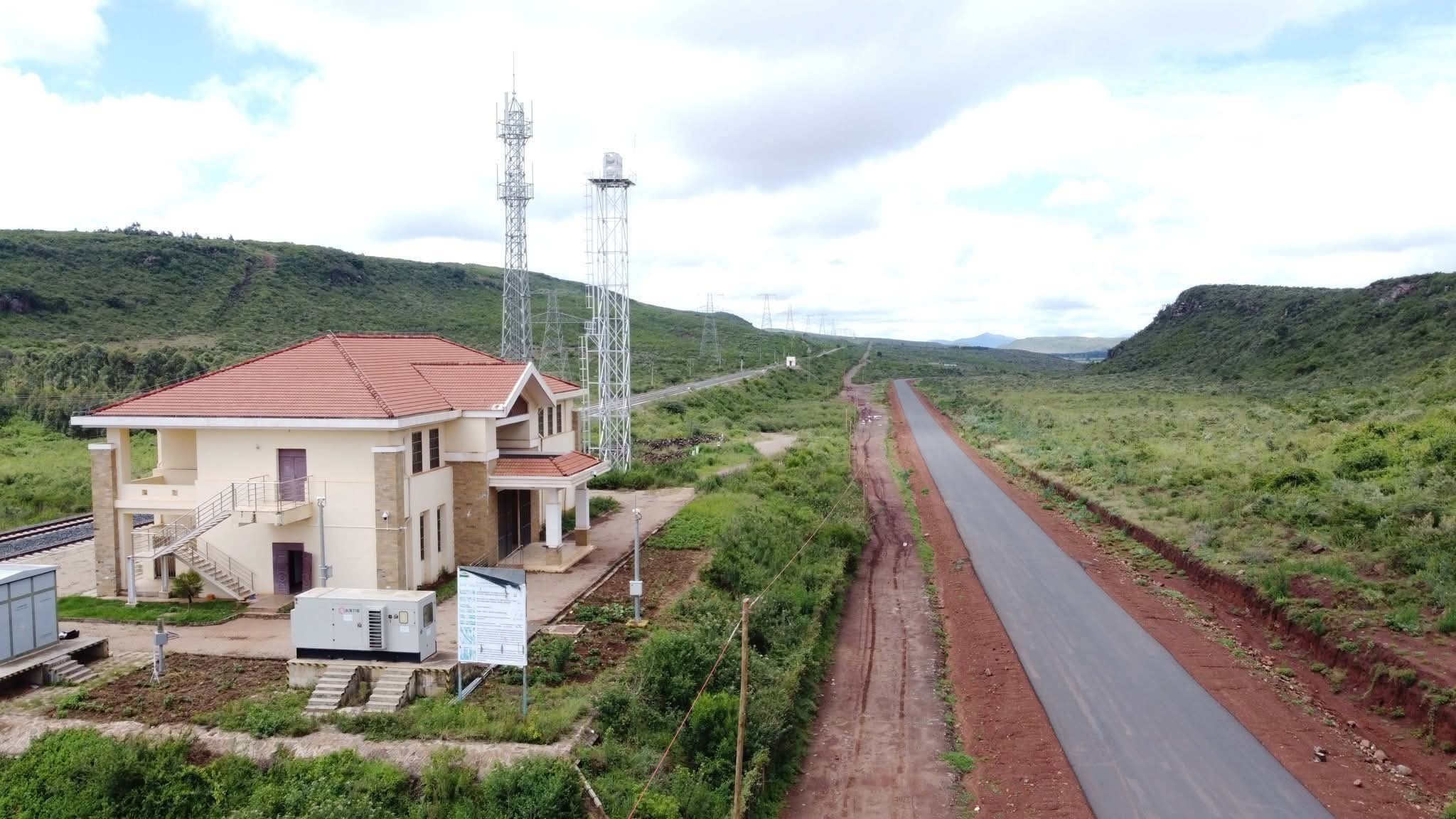
Aware of this predicament, the government has committed to accelerating the pace of the economic growth by investing sizeable amounts of the national revenue into infrastructural projects comprising highways, railways, ports and energy generation, among others.
These setups form vital investments and are believed to positively affect long-term development though they, on the flipside increase the stock of public debt considerably.
External debts from the International Monetary Fund (IMF), the World Bank and bilateral lenders plugged the financing gaps while their later repayment obligations are now straining public finances, a situation that is further compounded with internal borrowings through domestic debt instruments.
This cumulative effect raises several concerns among economists, policy makers and international investors about the country’s debt sustainability.
These shortcomings have somehow caused more global economic challenges additionally, complicating the issues of indebtedness with higher interest rates, volatility in the prices of basic commodities and disrupted supply chains.
These factors have additionally caused stress in the fiscal position through the rising cost of debt servicing and low revenues from commodities that Kenya exports.
While government revenues were declining, spending on health and social protection increased, leading to wider budget deficits that manifested the economic consequences of the 2020/2021 COVID-19 outbreak at the domestic level.
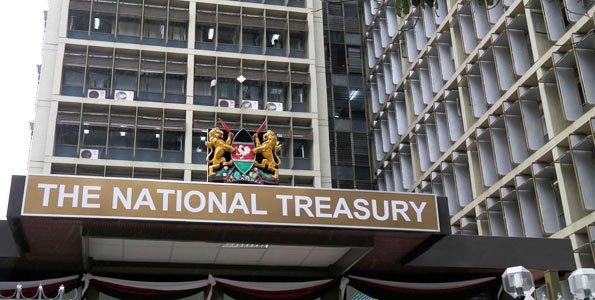
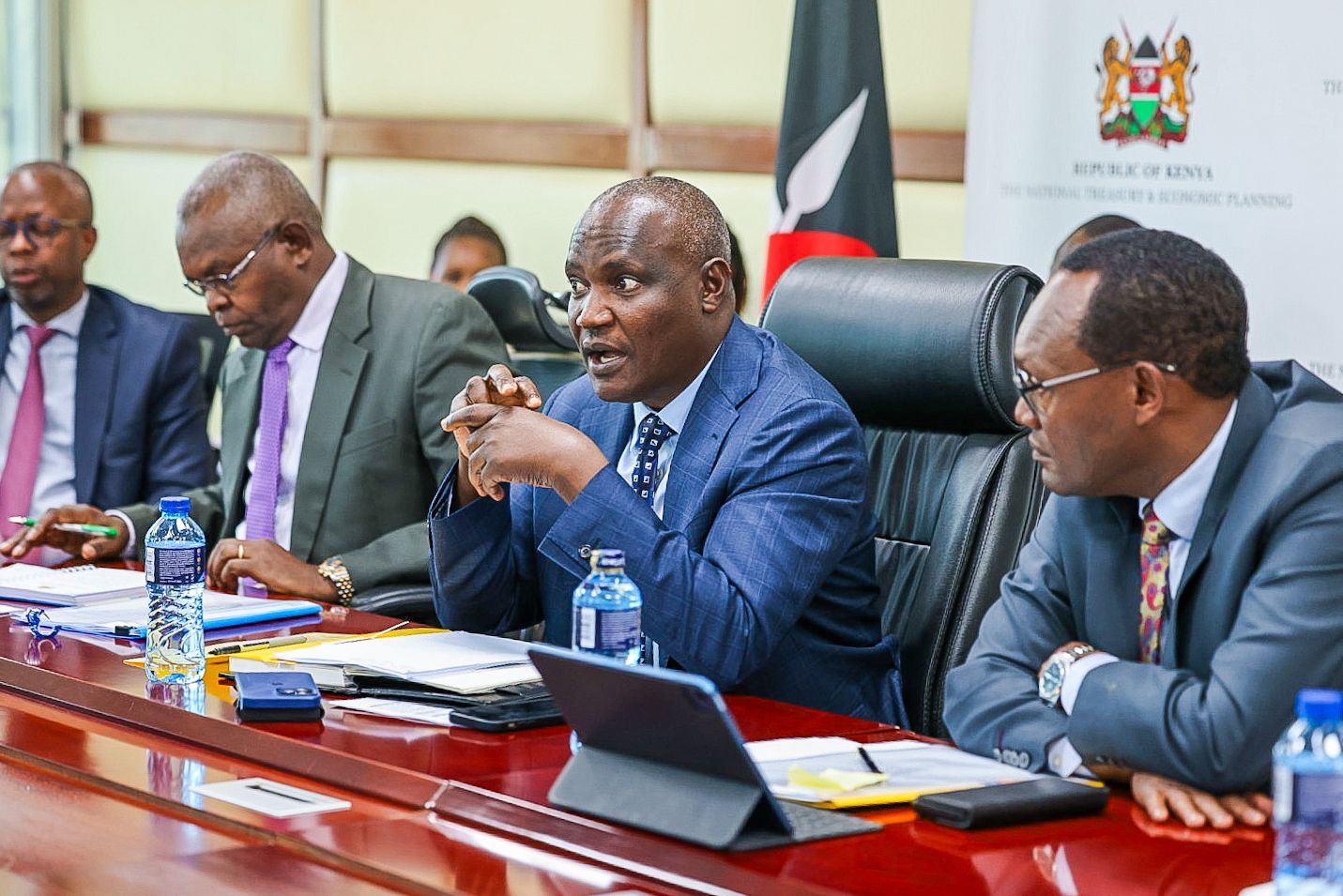
These pressures have consequently, compelled the government to adopt a raft of economic recovery measures that are intended to stabilize public finances and rebuild investor confidence.
Fiscal consolidation, being the cornerstone of such policies, reduces budget deficits through spending cuts and enhanced revenues.
One major step taken so far in this regard is that the government has engaged the IMF for financial support as well as technical assistance.
Undoubtedly, IMF programs bring in much-needed fiscal breathing space, but quite often their conditionalities force the government into stringent austerity measures in the form of tax reforms and expenditure rationalisation.
Additionally, it initiated policy measures to rationalize its spending, especially toward non-essential expenditures, with a view to enhancing governance toward increasing efficiency levels through a reduction in leakages and inefficiencies.
This has effectively ensured more sound fiscal policy direction allowing the government to service its debt obligations.
On the other hand, cuts in government spending risk limiting resources for social services and development programs while most citizens depend on public support.
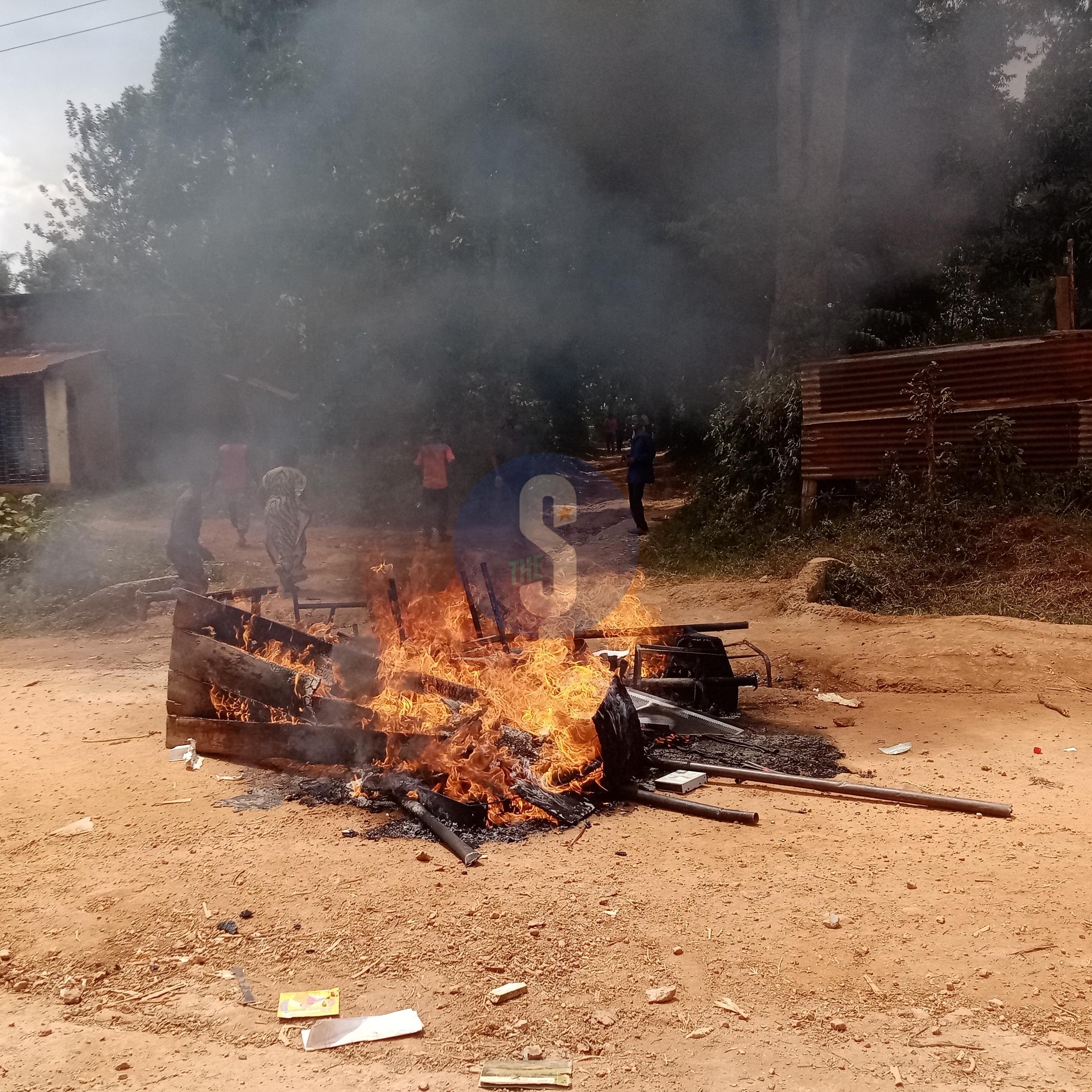
Introduction of new taxes and reduction of government expenditure have increased discontent among members of the public.
Frustration
has been expressed through protests and demonstrations, particularly due to a
sense of austerity effects on workers, traders and the youth.
On the account of the increasing inflationary pressure on food, fuel and basic commodities, the cost of living is appreciably going up confronting many households with tough choices and reduced quality of life.
The unemployment rate is high on the current agenda of concerns, especially among the youth, causing feelings about economic insecurity and social unease a factor that creates a delicate balance for the resultant government action.
The government understands very well that fiscal discipline is key in avoiding the risk of falling into debts with even worse consequences for the economy and society.
This has prompted it to take urgent corrective measures to satisfy the needs of the citizens by ensuring that the economic recovery process incorporates inclusivity taking care not to increase inequality and marginalisation of vulnerable citizens.
Several priorities have been identified by experts and policy thinkers on how to strike a proper balance between recovery and social stability with efficiency and equity in taxation being the paramount.
Expansion of the tax base into hitherto untaxed sectors, along with improvement in tax compliance and reduction of corruption are in place with a view to attaining an increase in government revenues and without burdening low-income earners.
Besides, the government is employing transparency in tax policy coupled with public engagements in making taxation decisions aimed at building trust in the administration and acceptance.
Social safety nets are also being instituted and expanded so as to cushion vulnerable groups against the effects of austerity safeguards with targeted support programs for the unemployed, informal sector workers and marginalised communities to reduce the social impact of fiscal adjustments thereby contributing to social cohesion.
Acceleration of economic diversification and investments in agriculture, manufacturing, support for SMEs and promotion of innovation and digital technologies have also been instituted creating jobs and improving foreign exchange earnings.
The government is also aware that stronger institutions ensure more transparency hence the enhanced anti-corruption efforts reinforced by prudent spending with communication of the same being deployed to raise awareness and build cooperation among the government employees, civil society and the general public.
Communication becomes vital because when the state of the economy, decisions on policies, and the results such decisions are likely to achieve are communicated openly, it becomes much easier to manage expectations and avoid tensions.
The immediate future in Kenya is going to depend on how well the country manages to balance economic recovery with social stability noting that success in fiscal sustainability without sacrifice to social welfare is incompatible.
This calls for
fiscal consolidation and structural reforms with the aim to achieve attainment
of economic recovery but is equally fraught with challenges touching on the
daily lives of many Kenyans.
The possible strategies that would get the nation through such times include a fair tax system, enhancement of backward linkages, better governance and meaningful dialogue as well as diversification of the economy as most of the East African Community countries do.
As a result, the full recovery towards sustainability will depend on a common commitment between both government and the general public with support from other stakeholders for inclusive growth and societal stability.
Otherwise, with prudent stewardship and collaboration, the country should be able to weather the present adversity and create a more resilient society for its citizens to prosper towards a first world status as it is being forecasted by President William Ruto.