The future of thousands of students
hangs in the balance after the government revealed a staggering Sh218 billion shortfall in critical expenditures,
with education bearing the brunt of
the cuts.
The financial year 2025-26 budget
has left scholarships, university sponsorships, and basic education programmes unfunded, sparking fears
of widespread disruptions to learning.
Among the hardest-hit sectors is
higher education, where a Sh79.7
billion gap threatens to derail government-sponsored university placements.
The State Department for Higher
Education and Research reported a
Sh45.7 billion pending bill for students in private universities, alongside
a Sh34 billion shortfall for the Higher Education Loans Board (Helb) and
scholarships.
The National Treasury attributed
the unfunded MDAs requests, totalling Sh944 billion, to a “constrained
fiscal framework”.
“These expenditures were not accommodated in the 2025-26 budget
due to the constrained fiscal framework and will be reviewed for possible funding in the course of implementation should the fiscal situation
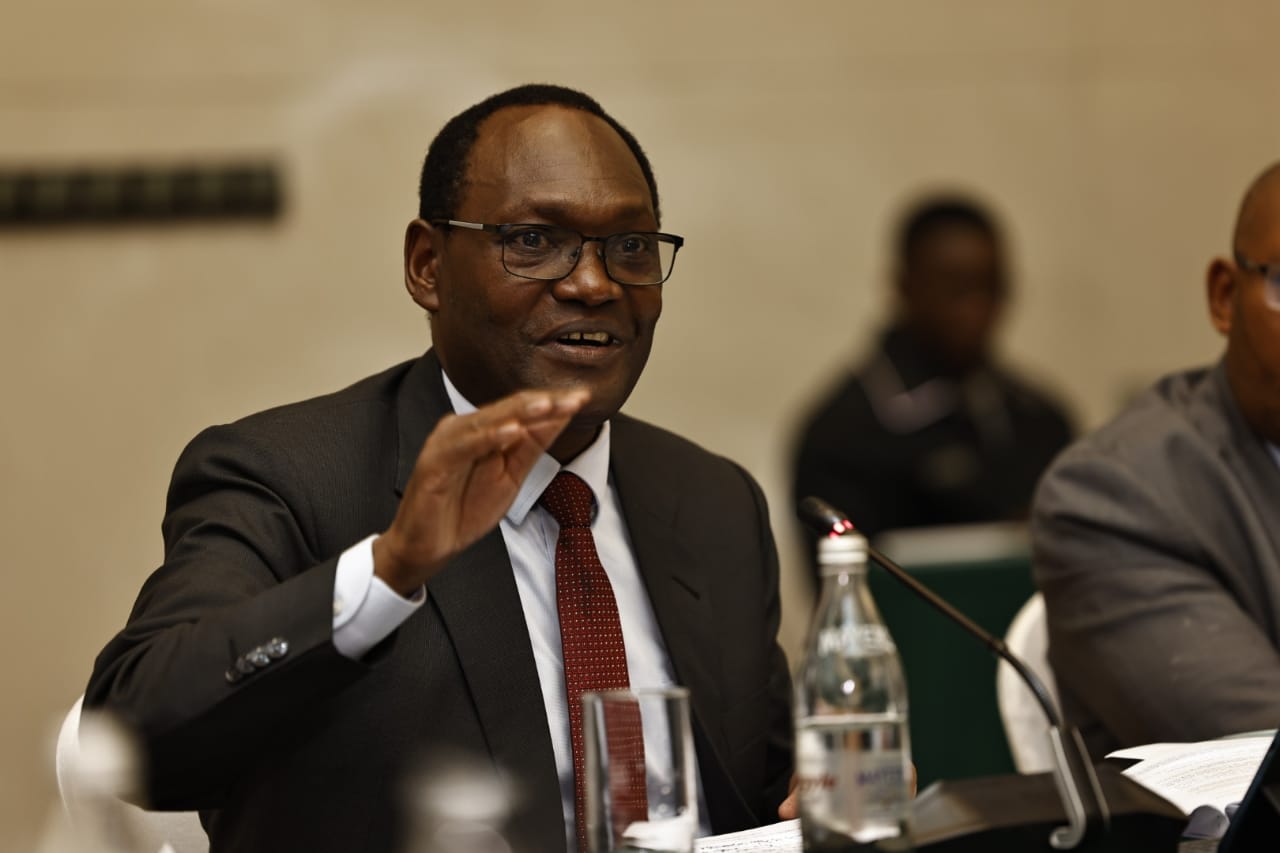
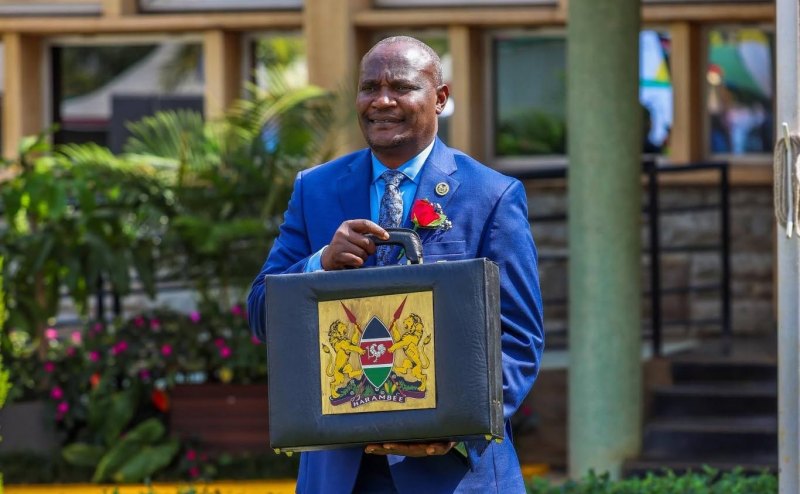
improve,” Treasury PS Chris Kiptoo
told MPs on Thursday in a presentation on behalf of CS John Mbadi.
In disclosures to the Alego Usonga
MP Sam Atandi-led budget committee, Treasury said next year’s budget
has a deficit of Sh877 billion of which
Sh284 billion is to be borrowed externally and Sh592 billion from local
sources.
Public universities, which are already reeling from chronic underfunding, now face a bigger cash-flow
crisis.
University chiefs and the staff
union bosses have warned of potential fee hikes and staff strikes, respectively, if the gaps persist.
Students have for long voiced concerns about frequent delays in loan
disbursements, leaving many struggling to pay tuition and meet daily
subsistence expenses.
Others have taken issue with inadequacy of the allocated funds, more so
those from poor backgrounds.
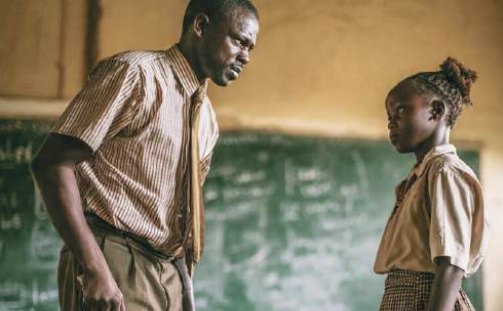
The crisis extends to primary and
secondary schools, where the State
Department for Basic Education faces
a Sh39.5 billion deficit.
Free Day Secondary Education
(FDSE), which supports over three
million students, is short Sh21.9 billion, while the Free Day Junior School
programme lacks Sh4 billion.
The school examination budget, slashed by Sh11 billion, is also among
those that Treasury says would be
funded over time.
Technical and Vocational Education and Training (TVET) institutions,
critical for Kenya’s skilled labour
pipeline, are also grappling with a
Sh11.3 billion scholarship shortfall.
The Treasury attributed the cuts to
a Sh876.1 billion fiscal deficit, with
more than Sh591.9 billion to be borrowed domestically.
Yet, as the government seeks
Sh221.2 billion in commercial loans,
critics question the priorities.
Beyond the education crisis, President Ruto’s administration faces
mounting political pressure to deliver
his signature programmes.
This follows his grand ideas from
fertiliser subsidies to police reforms
have been affected in the Sh218 billion austerity purge.
The hardest blow is on agriculture where a Sh10 billion cut has affected the fertiliser subsidy programme,
threatening his promise to smallholder farmers.
Also unavailable are funds for tea
reforms (Sh4.5 billion), strategic food
reserve (Sh2 billion) and seed subsidy
(Sh1.7 billion).
The National Police Service has a
shortage of Sh17.5 billion in modernisation funds, including Sh9.9
billion for officers’ medical cover.
Healthcare, a pillar of Ruto’s Universal Health Coverage pledge, bled
Sh21 billion, with the Emergency Illness Fund and primary care grants
halved.
In what could escalate the ongoing
UHC doctors strike, Treasury says
it has no Sh3.9 billion, which is to
cater to stipends for the health interns.
KRA staff who were anticipating
salary raises may have to wait longer
in the face of the Sh8 billion shortage.