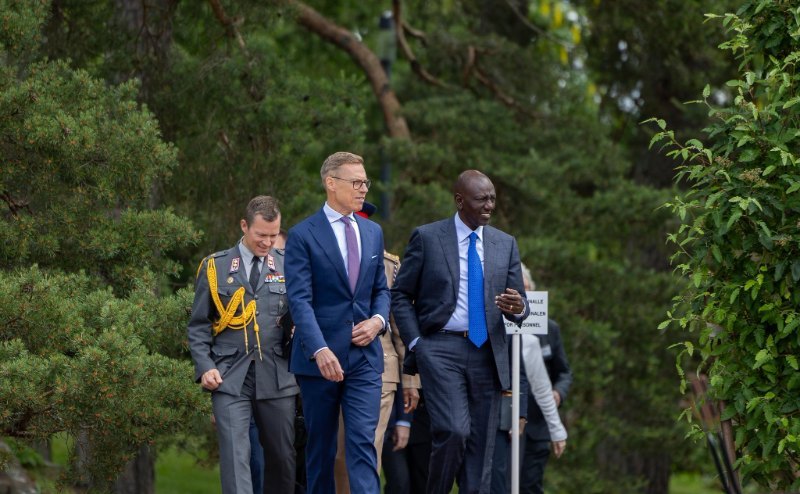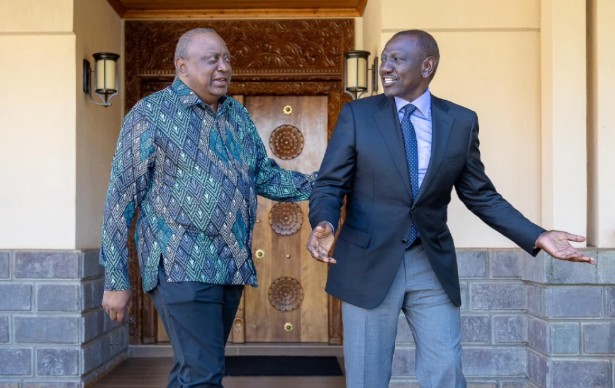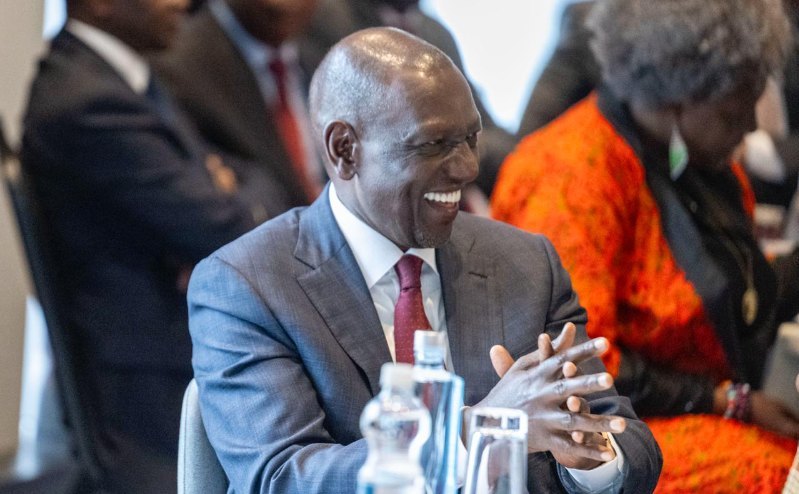
President William Ruto returned to the country Friday morning after a week-long, three-nation tour of Europe that focused on investment, trade and job creation.
The diplomatic and economic engagements took him to Belgium, Norway and Finland, where he held talks with political leaders, investors and development partners aimed at securing opportunities for Kenya's economy.
Ruto concluded the tour on Thursday with bilateral talks in Helsinki before jetting back to Nairobi, capping a series of intensive foreign engagements that have seen him crisscross Africa, Europe and Central Asia in pursuit of trade, investment and strategic partnerships.
The President's recent travels signal a shift in Kenya's foreign policy, with diplomacy increasingly being used as a tool for economic growth, market expansion and job creation.
Over the past six weeks, Ruto has undertaken high-level visits to Tanzania, South Africa, Azerbaijan, Kazakhstan, Belgium, Norway and Finland, positioning Kenya as an emerging trade and investment hub amid changing global economic dynamics.
While some critics have questioned the cost of the trips, the government argues that the agreements secured during the visits have the potential to unlock billions of shillings in investments, create jobs and lower the cost of doing business for Kenyan enterprises.
State House Spokesperson Hussein Mohamed has defended President William Ruto’s foreign engagements, saying the diplomatic tours are directly translating into opportunities for Kenyans.
“To those who ask, ‘Inatusaidia aje?’ here’s a classic example of presidential diplomacy: creating opportunities for Kenyans,” he said.
He noted that ahead of the Finland–Kenya business forum, Ruto held meetings with leading business executives in technology, digital infrastructure and investment, aimed at deepening commercial ties and attracting new capital into the country.
According to him, such engagements are opening doors to markets, funding and strategic partnerships that individual firms would otherwise struggle to access on their own.
"The discussions reflect a broader strategy of leveraging high-level diplomacy to position Kenya as a competitive destination for investment, innovation and trade, ultimately supporting job creation and economic growth," he added.
One of the most significant outcomes emerged from Ruto's State Visit to Tanzania, where he and President Samia Suluhu committed to eliminating all remaining non-tariff barriers between the two countries by June 30, 2026.
For years, Kenyan traders have grappled with delays, duplicate inspections and bureaucratic obstacles at border points. The new commitments seek to remove those bottlenecks and accelerate the movement of goods across East Africa.
A standards harmonisation agreement between the Kenya Bureau of Standards and Tanzania's standards agency is expected to eliminate costly duplicate testing, reducing delays and expenses for manufacturers and traders.
The two countries also established a Kenya-Tanzania Business Council that will ensure commercial disputes are resolved within 30 days, providing greater certainty for investors and businesses operating across the border.
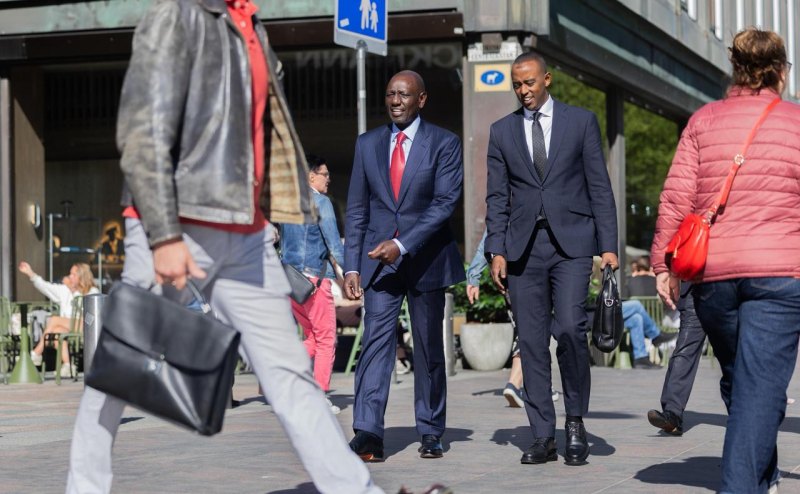
Farmers stand to benefit significantly as Kenya and Tanzania move towards mutual recognition of sanitary and phytosanitary certificates, paving the way for easier trade in grains, milk, eggs, poultry and fresh produce.
Infrastructure development featured prominently in the discussions.
Kenya and Tanzania agreed to fast-track plans for the Voi-Mwatate-Taveta railway line, which will connect to the Standard Gauge Railway network and enhance cargo movement between the two countries.
The railway is expected to lower transportation costs for manufacturers while positioning Taveta and surrounding areas as key logistics centres.
The planned Malindi-Bagamoyo Super Highway is also expected to create a seamless coastal transport corridor linking Kenya and Tanzania, boosting tourism, trade and investment along the coastline.
In South Africa, Ruto secured a breakthrough for Kenyan agricultural exports after President Cyril Ramaphosa lifted suspended import duties on Kenyan tea, coffee and spices.
The move restores preferential access to one of Africa's largest markets and is expected to boost earnings for farmers and exporters.
Kenya's horticulture industry also received a major boost in Brussels, where Ruto held talks with top European Union leaders on implementing the Kenya-European Union Economic Partnership Agreement.
The agreement guarantees duty-free and quota-free access to the EU market, safeguarding exports of flowers, fruits and vegetables that support hundreds of thousands of jobs.
Beyond agriculture and trade, the President's engagements have increasingly focused on the digital economy.
During his visit to Belgium, Kenya secured a €139 million (Sh20billion) funding package from the European Union (EU) to support digital infrastructure development.
The funds will help expand the Digital Superhighway programme, extend fibre-optic connectivity to underserved areas and enhance delivery of government services through digital platforms.
The investment is expected to create new opportunities for young people in technology, innovation and digital entrepreneurship while improving internet access across the country.
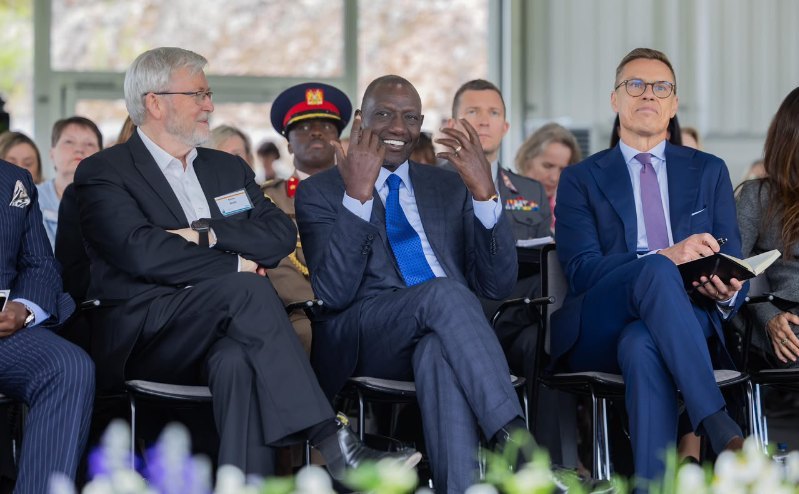
Perhaps the most ambitious frontier opened during Ruto's visit to Kazakhstan, the first by a Kenyan Head of State.
The trip laid the foundation for stronger trade and investment ties between East Africa and Central Asia.
Kenya announced plans to establish a Consulate General in Astana before upgrading it to a full embassy, signalling Nairobi's intention to deepen its presence in the region.
The two countries are also exploring direct air links that could significantly reduce the time required to transport Kenyan exports such as flowers, tea and fresh produce to Central Asian markets.
The partnership extends to technology, energy and finance.
Cooperation between the Nairobi International Financial Centre and the Astana International Financial Centre is expected to create new channels for investment into Kenya's infrastructure projects.
Agreements on artificial intelligence research and innovation could also provide Kenyan startups and software developers with access to global expertise and emerging technologies.
Tourism is another sector poised for growth following agreements between Kenya and Tanzania to market the Mara-Serengeti ecosystem as a single destination.
The initiative seeks to harmonise tourism regulations and attract more international visitors, increasing revenues for hotels, tour operators, guides and communities that depend on the sector.
Taken together, the agreements secured during Ruto's recent travels point to a broader strategy of diversifying Kenya's economic partnerships and reducing reliance on traditional markets.
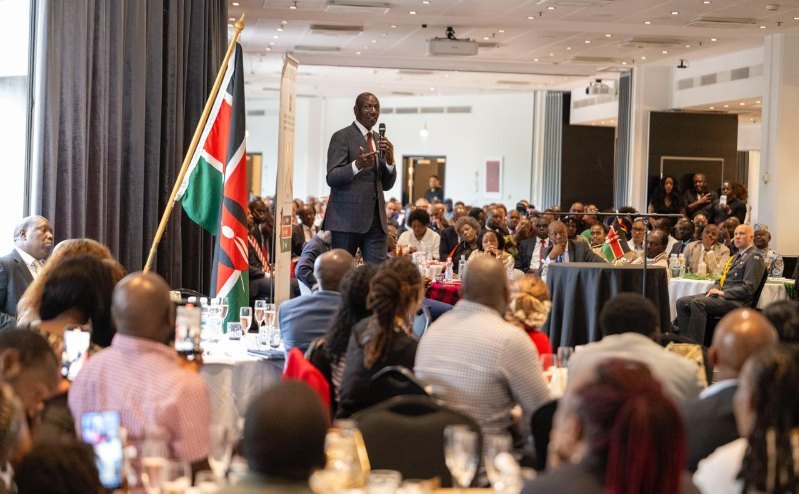
If fully implemented, the deals could lower business costs, expand export opportunities, improve infrastructure, attract investment and create jobs.
In Brussels, President Ruto's engagements delivered one of the biggest boosts yet to Kenya's digital transformation agenda. Kenya secured €102 million (Sh15.3 billion) under the EU-Kenya Digital Partnership to accelerate digital connectivity, digital skills development and job creation.
The President also welcomed an additional €37 million (Sh5.6 billion) in European Union funding for the African extension of the Blue Raman undersea cable, a project expected to strengthen internet connectivity across the region while lowering bandwidth costs for businesses and consumers.
Beyond infrastructure, Kenya made significant progress in its quest to become a continental digital hub. Discussions advanced the EU-Kenya Digital Dialogue and the Data Adequacy process, positioning Kenya to become the first African country to secure an EU data adequacy decision.
Such a designation would unlock new opportunities in digital trade, technology investment, cross-border data flows and high-value technology jobs.
The Brussels visit also saw the launch of the Kenya-Benelux Chamber of Commerce, a platform expected to deepen trade and investment links between Kenya and the Benelux countries while creating new export opportunities for Kenyan businesses.
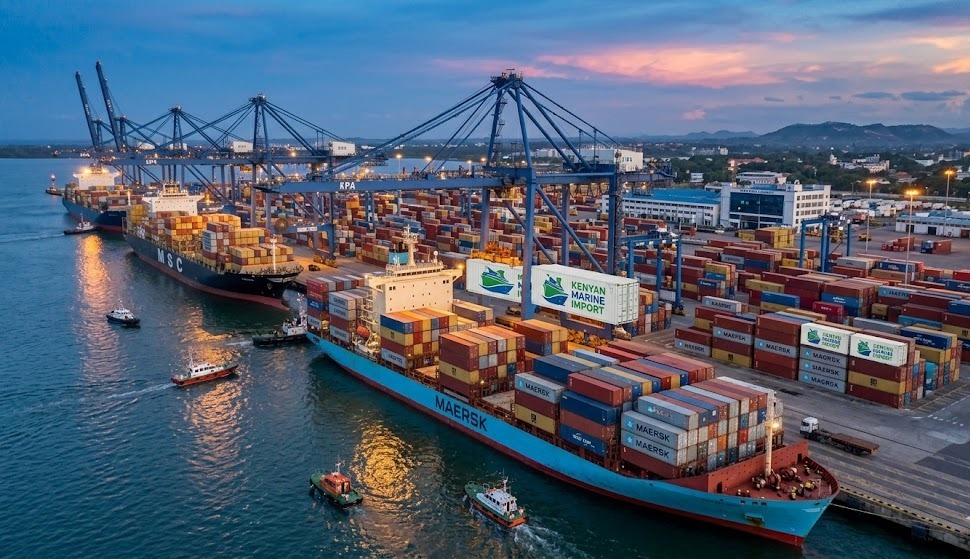
Following talks with Belgium's King Philippe, discussions also advanced plans to strengthen trade and investment ties, including support for strategic regional transport corridors connecting the Port of Mombasa to the Democratic Republic of Congo, one of Africa's fastest-growing markets.
The economic gains extended to Norway, where Kenya secured a major employment breakthrough for its youth.
Following talks between President Ruto and the Norwegian Shipowners' Association in Oslo, Norwegian shipping giant Wilhelmsen Ship Management committed to hiring 1,000 Kenyan seafarers by 2030, with 120 set to be recruited before the end of this year.
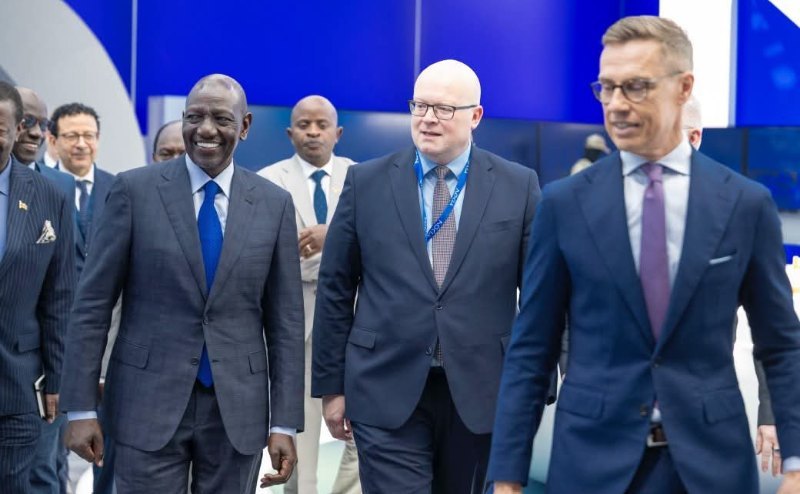
The agreement is expected to open up high-paying international maritime careers for Kenyan youth while strengthening the country's position as a supplier of skilled labour to the global shipping industry.
In Finland, Ruto's State Visit yielded a series of strategic agreements spanning education, healthcare, digital innovation, climate action, trade and investment.
In recognition of his leadership, he was awarded the Helsinki City Medal.
The education partnership is expected to equip more young Kenyans with skills needed in the modern economy through expanded collaboration in technical and vocational training, teacher development, competency-based learning and education innovation.
The two countries also agreed to deepen cooperation in digitalisation and innovation, creating new opportunities for entrepreneurs and technology startups through investments in digital public services, emerging technologies, secure connectivity and innovation ecosystems.
Healthcare emerged as another key pillar of cooperation, with agreements focusing on universal health coverage, maternal and child health, mental health services, medical research and support for local pharmaceutical and vaccine manufacturing.
Trade and investment discussions centred on strengthening business partnerships, attracting new investments and expanding commercial opportunities that could generate jobs and economic growth.
The two nations further committed to stronger cooperation on climate action and green growth through initiatives in the circular economy, bio-economy, environmental sustainability and resource efficiency, areas expected to support Kenya's transition to a green and resilient economy.
Together, the outcomes from Belgium, Norway and Finland reinforced the broader objective of President Ruto's European tour of attracting investment, creating jobs, expanding market access and positioning Kenya as a leading digital, innovation and logistics hub on the continent.