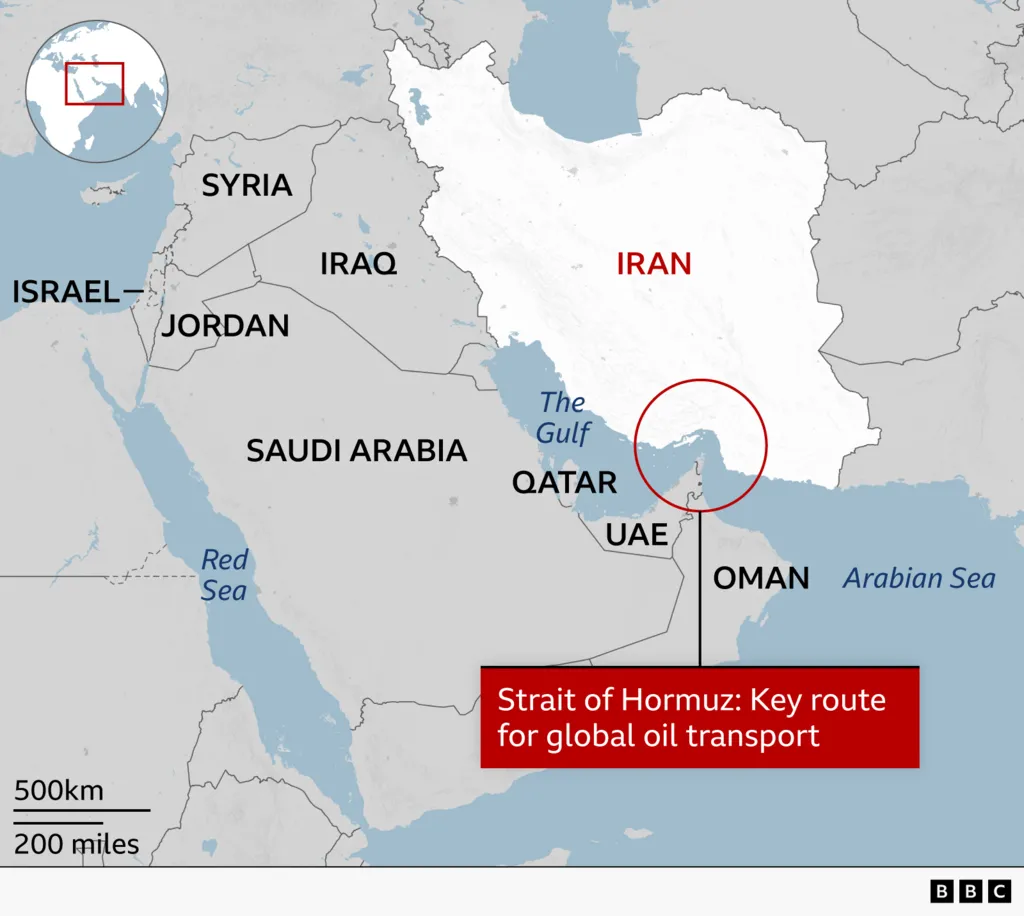
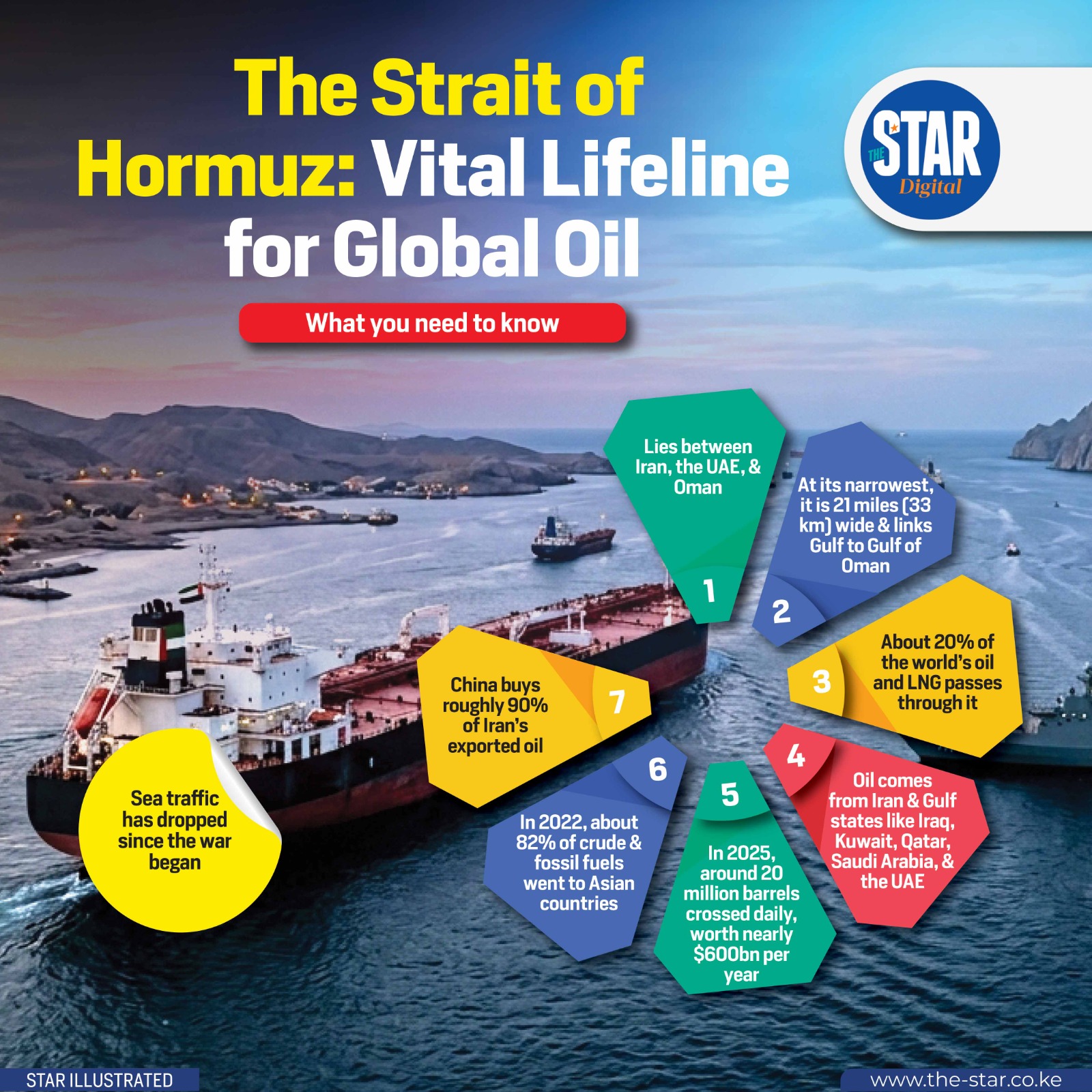
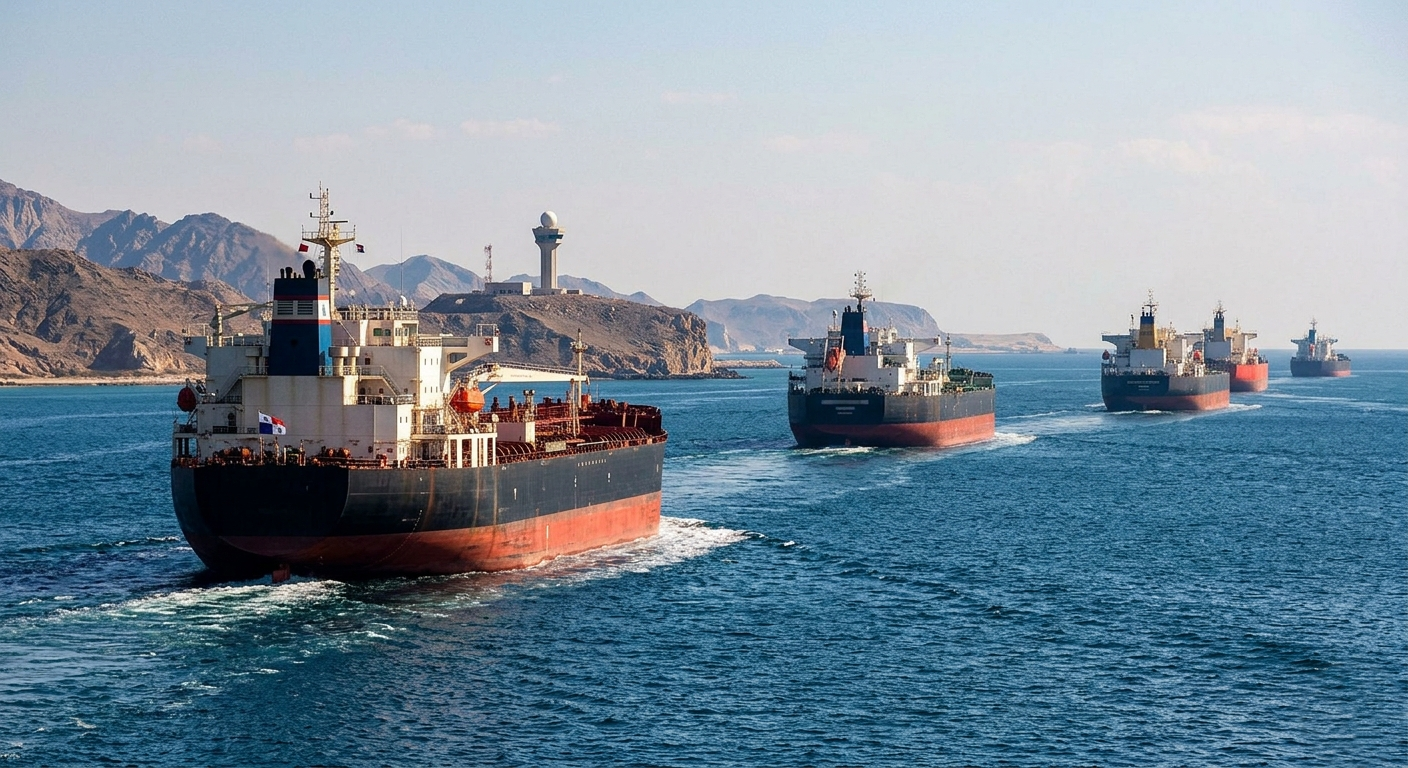
The Strait of Hormuz remains the world’s most sensitive oil chokepoint, a narrow 21-mile-wide stretch of water that links the Gulf to the Gulf of Oman.
Nestled between Iran, the UAE, and Oman, this vital artery carries roughly 20% of the world’s total oil and Liquefied Natural Gas (LNG) consumption.
Its significance is measured in staggering volume: in 2025, approximately 20 million barrels of oil crossed through the strait daily, representing a market value of nearly $600 billion per year.
The flow of energy through this corridor is heavily weighted toward Asian markets.
In 2022, 82% of the crude and fossil fuels passing through the strait were destined for Asian countries.
China, in particular, maintains a deep reliance on this route, purchasing roughly 90% of Iran’s exported oil. The regional producers feeding this supply include heavyweights such as Iran, Iraq, Kuwait, Qatar, Saudi Arabia, and the UAE.
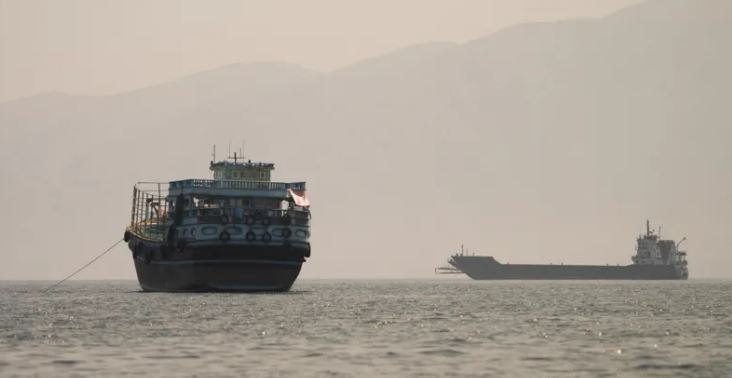
However, the "vital lifeline" is currently under pressure. Since the onset of recent warfare, sea traffic through the strait has seen a noticeable decline.
Given that so much of the world's energy security rests on this single 33km-wide passage, any disruption here has immediate and profound consequences for global energy prices. The Strait is not just a geographic feature; it is the pulse of the global industrial economy.

![[PHOTOS] The new Ngong –Naivasha Road viaduct](https://cdn.radioafrica.digital/image/2026/06/64d4f771-4432-4aee-ba3c-2f304c4436ec.jpg)








![[PHOTOS] 'Mr Speaker Sir' Gen Z protester in court](https://cdn.radioafrica.digital/image/2026/06/b3e62d8e-25c3-4780-90f9-4eb48b1ce8a7.jpg)