
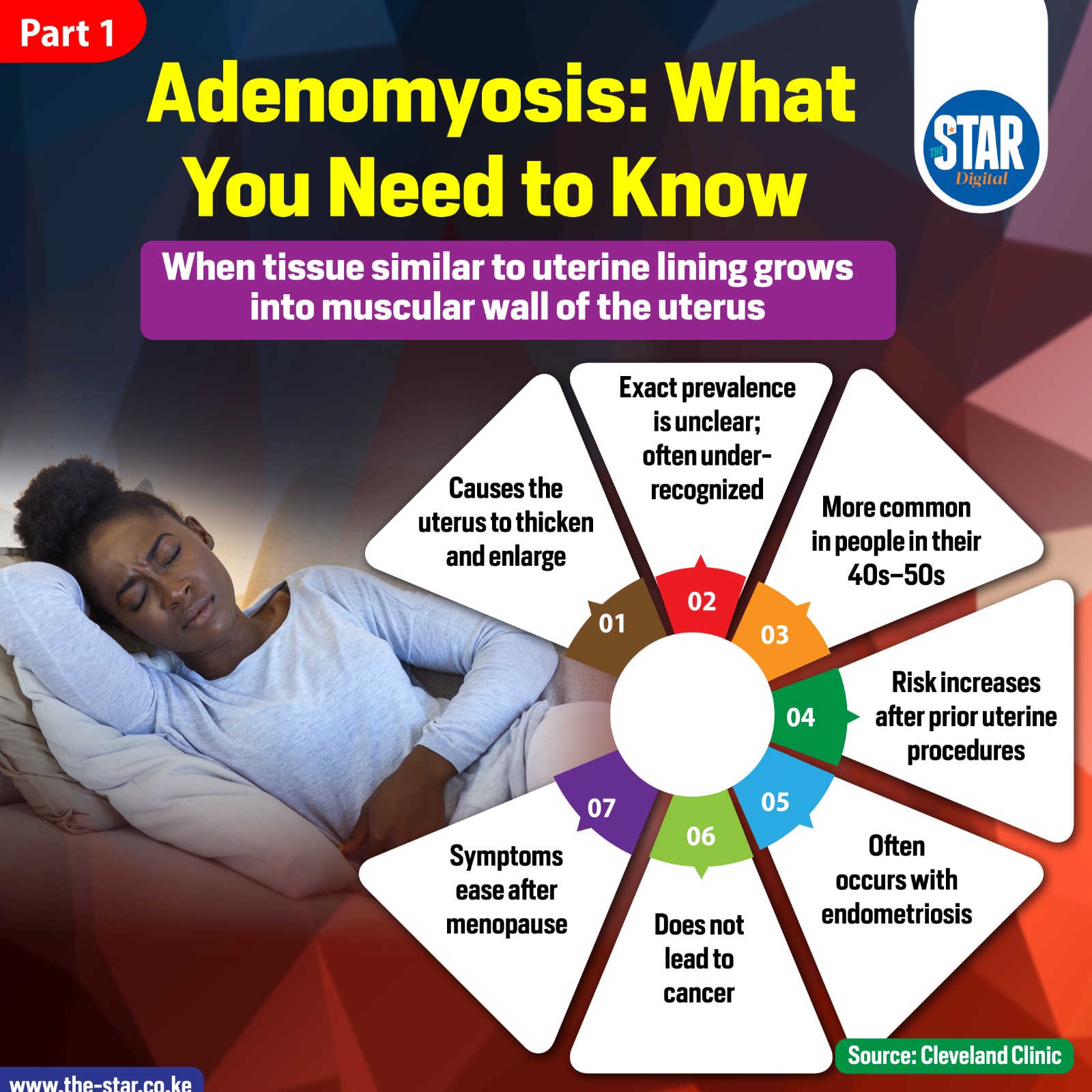
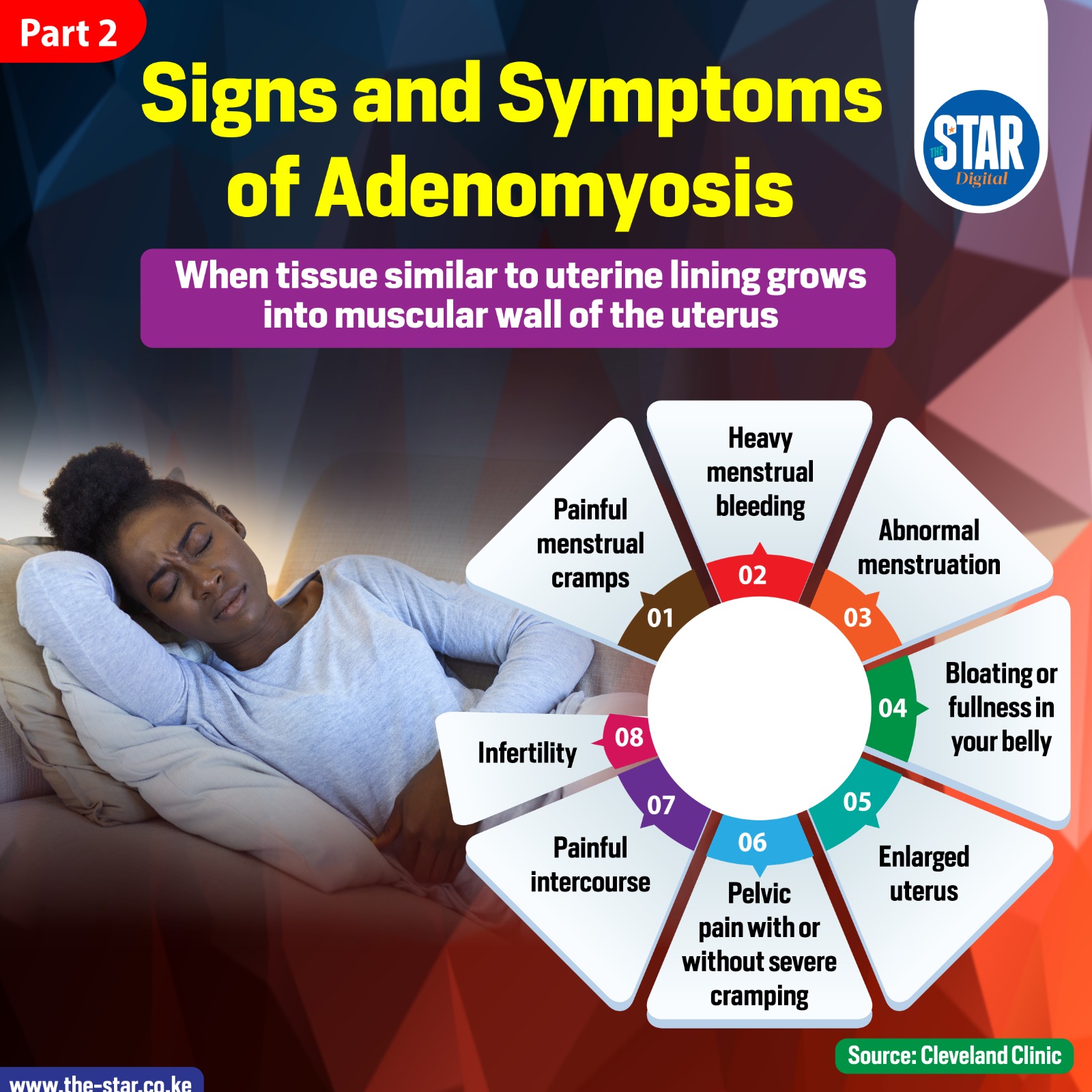
The condition is most commonly identified in individuals throughout their 40s and 50s.
Clinical observations indicate that the risk of developing adenomyosis increases significantly following prior uterine procedures.
It is also a condition that rarely exists in isolation; it frequently occurs alongside endometriosis, complicating the clinical picture for patients seeking relief from pelvic symptoms.
For those navigating a diagnosis, there are two critical pieces of reassurance regarding the long-term outlook. First, adenomyosis is a benign condition and does not lead to cancer.
Second, the symptoms associated with the thickening of the uterine wall typically ease after a patient reaches menopause, as the hormonal cycles driving the tissue growth subside.
Despite these certainties, the tendency for the condition to be overlooked means that many suffer without a clear explanation for their symptoms.
Awareness remains the most vital tool in ensuring that those with an enlarged or thickened uterus receive the recognition and specialized care they require to manage the condition effectively.




![[PHOTOS] The new Ngong –Naivasha Road viaduct](https://cdn.radioafrica.digital/image/2026/06/64d4f771-4432-4aee-ba3c-2f304c4436ec.jpg)











![[PHOTOS] 'Mr Speaker Sir' Gen Z protester in court](https://cdn.radioafrica.digital/image/2026/06/b3e62d8e-25c3-4780-90f9-4eb48b1ce8a7.jpg)