
It is Wednesday afternoon in Kibera. Under the scorching sun, children play in narrow lanes, their laughter filling the air. The settlement feels alive, almost weightless. Just metres away, however, a different reality unfolds.
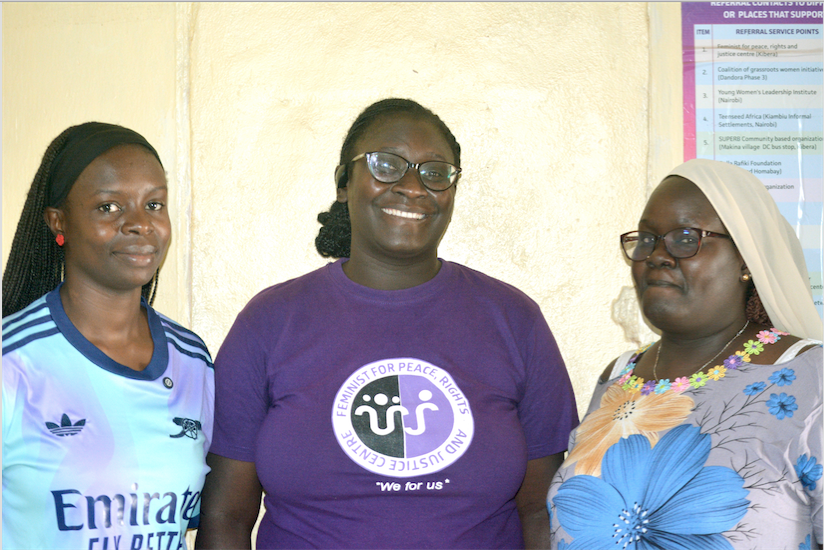
Inside the Feminists for Peace, Rights
and Justice Centre (FPRJC), women sit in a circle on plastic chairs, speaking
in low, measured tones. Their eyes shift uneasily as they revisit memories they
would rather forget. The room is quiet, but not empty. It carries stories that
have been buried under fear and shame for years.
Founded in 2016, the grassroots
organisation works to combat sexual and gender-based violence (SGBV) while
supporting women and girls to rebuild
their lives. What unfolds in spaces like this is not isolated. It reflects a
broader gap in Kenya's response to gender-based violence, where legal
protections exist, but access to justice, protection, and recovery services
remains uneven.
For many who walk through its doors,
this is the first place where their pain is met with belief, rather than
judgment. Eunice*, a mother of five and a resident of Kibera, is one of them. Her
life before the centre was marked by violence, loss, and constant struggle.
She married young, without guidance or
support, after becoming pregnant while still in school. Her mother had died,
and her father was her only source of support. "I had no one else,"
she says quietly. Her story mirrors a broader pattern.
According to the 2022 Kenya Demographic and Health Survey, 34 per cent of women in Kenya have experienced physical violence since the age of 15, compared to 27 per cent of men. An estimated 13 per cent of women have experienced sexual violence, nearly double the rate reported by men.
A 2020 report by the
United Nations Population Fund (UNFPA) further estimates that about 45 per cent of
women and girls aged 15-49 have experienced some form of gender-based violence
in their lifetime.
Despite these figures, enforcement gaps, stigma, and systemic barriers continue to limit survivors' access to justice and protection. Organisations like FPRJC attempt to bridge this gap by offering safe spaces, advocacy, and pathways to recovery.
The centre provides psychosocial
support, legal referrals, and temporary shelter for survivors. At the same
time, it addresses economic vulnerability through skills training and
income-generating activities. It also produces and distributes handmade,
reusable sanitary towels to help address period poverty, enabling girls to
attend school with dignity.
It runs intergenerational sessions that
bring together girls and their parents to discuss reproductive health and
rights, while also operating a safe house for survivors of rape and domestic
violence. Through this, survivors receive psychosocial support, medical
referrals, and legal assistance.
The organisation also uses what it terms "feminist artivism"—including community murals—as a way for survivors and staff to process trauma and build collective resilience.
Ruth Juliet, the programmes coordinator
at the centre, says their work is grounded in three key areas: sexual and
reproductive health, access to information and services, and advocacy against
gender-based violence. "We serve as a safe space for women and girls
seeking support," she explains.
The centre has 20 active members and
has reached more than 1,000 women. "Some survivors walk in on their own,
while others are referred through partners, community networks, or phone calls.
Over time, it has become known as a place of refuge. Because many of our staff
live within the community, we can identify vulnerable women and respond
quickly," she adds.
For Eunice, however, the journey to
that space was long and painful. After giving birth to her first child, she
returned to school, hoping education would offer a different future. However,
without a stable support system, she eventually married the father of her
child, believing it would provide security. Instead, it became a space of conflict.
"Arguments and fights became
routine. After my second child, nothing improved. By the time I had my third,
the abuse had escalated. My husband's family said I was not respected because I
had not given birth to a son," she says, holding back tears.
One day, during a violent altercation,
her husband attacked her. "He took a knife and stabbed me," she says.
Fear and stigma kept her from leaving. She worried about being judged as a
woman who had failed in marriage.
She was taken to Nairobi Women's
Hospital for treatment, but the case did not progress. "I was not
empowered. Nobody followed up," she says, pointing to gaps in
institutional support and accountability.
After some time away, she
returned—because surviving alone was even harder. The violence continued. As
tensions with her husband's family deepened, particularly over her not having a
son, the pressure became unbearable. In 2014, she left the marriage for
good.
Raising her children alone has not been
easy. Making ends meet remains a constant struggle. At one point, heavy rains
flooded the single room they lived in, sweeping away the little they had. "I
had to start afresh. I found casual work at a construction site, where I met
Editar Ochieng, the founder of the Feminists for Peace, Rights, and Justice
Centre," Eunice says.
"I told her about my life, hoping
for a job. She could not offer me one at the time—but she offered support."
That support began with conversations.
At the centre, Eunice met other women
who had survived gender-based violence. As they shared their stories, a pattern
emerged. Their experiences, though deeply personal, were not
isolated.
According to the 2022 Kenya Demographic
and Health Survey, 41 per cent of women who have ever had a partner have experienced
physical, sexual, emotional, or economic violence. Data from the National
Police Service further show that 1,639 cases involving the killing of women
were recorded between 2022 and 2024—a 10 per cent increase over the period.
Within the centre, shared pain became
the foundation of collective healing. After joining the group, Eunice began
therapy. She describes the process as slow and, at times, overwhelming. "Healing
is not easy. It happens step by step," she says.
At first, she struggled to speak about
her experiences without reliving the pain. But listening to others helped her
realise she was not alone. Gradually, she found the strength to open up. The
centre also trained her in peer support, equipping her with skills to care for
herself and assist other survivors still trapped in violence.
Today, Eunice is an advocate against
gender-based violence. "I would not want anyone to go through what
I went through," she says.
Cost of activism
But this work comes with risks. Eunice
explains that rescuing women from violent situations is often dangerous.
Activists are frequently accused of breaking up families or encouraging women
to leave their marriages.
The work also takes a personal toll. "There
is also the risk to our safety," she says. "Rescue operations often
happen at night, in unfamiliar places. You don't know who you will
encounter."
"Sometimes, our children are left
alone as we respond to emergencies. Distance and lack of transport make it even
harder," she adds.
Despite these challenges, Eunice
continues. She says she cannot stop because she knows what it means to be
trapped in violence.
But her story is not unique.
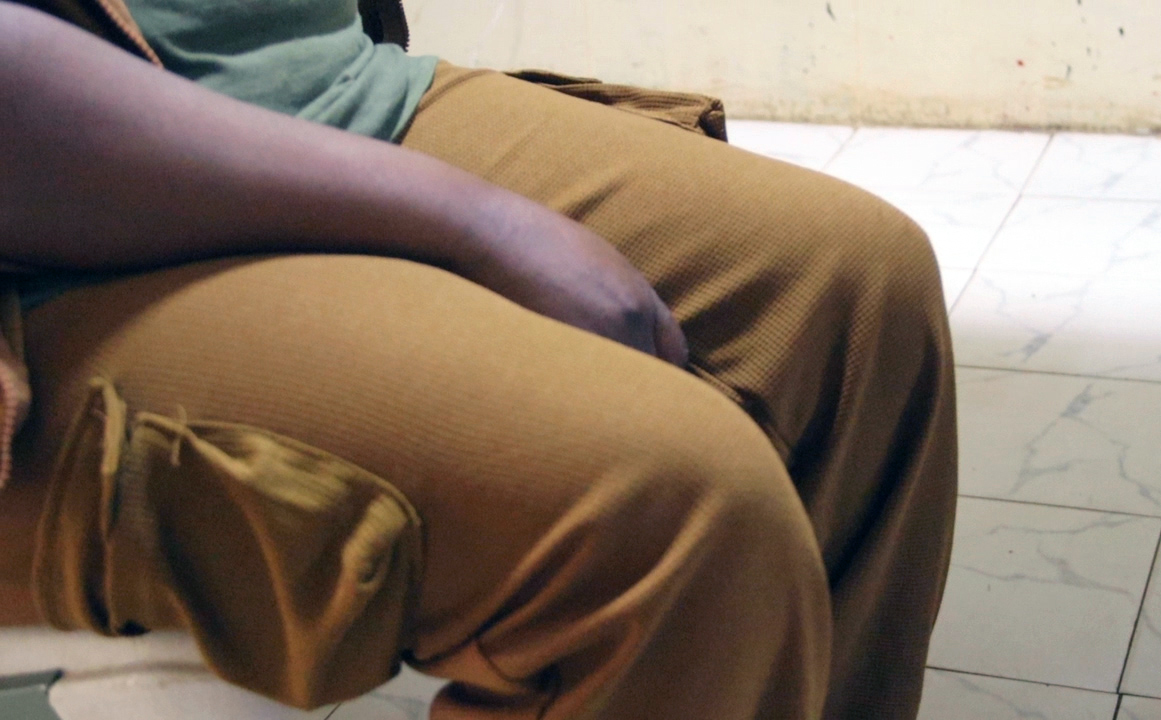
Purity*, a resident of Kibera, joined the organisation after surviving prolonged and severe domestic violence. She says the abuse was sustained over time.
At one point, her husband assaulted her
so severely that she suffered spinal injuries, head trauma, and damage
requiring bladder surgery. She experienced memory loss and was admitted to the
Intensive Care Unit.
She later underwent further treatment
and mental health assessments, which helped her recovery, though not fully. Through
the organisation, Purity has received continued medical care, psychosocial
support, and a safe place to live.
"I cannot return home because that
is where the abuse happened. I now live in a safe house with my children, but
they have not returned to school because it is near the home we fled," she
says.
Despite her husband's arrest, the case
did not proceed as expected. Eight months
later, he walked free despite Kenya's 2010 Constitution guaranteeing women's
rights and the Sexual Offences Act criminalising GBV. The matter was
closed, highlighting persistent gaps in survivor protection, accountability,
and the integrity of justice processes.
"I am unable to work because of my
injuries, and the animals I once depended on for income were poisoned," she
adds.
Purity recalls how she came into
contact with the centre. "One day, Sarah Dafala found me in critical
condition. She took me to the hospital, helped me access legal support, and
ensured my husband was arrested," she says.
She has remained under the
organisation's care since 2023. Before the case was concluded, Purity says she
began receiving calls from a senior government official urging her to go to
court and state that she had forgiven her husband. She refused.
"When the case went to court,
documents were presented saying I had forgiven him—but I never made such a
statement. Later, I learned the case had been closed," she says.
Through the organisation, she says, she
has regained a sense of stability. Her medical care and basic needs have been
supported throughout her recovery.
Holding back tears, Purity makes a
direct appeal: "Authorities should ensure cases like mine are handled
fairly, and that survivors receive justice." She adds that her husband
should be compelled to provide financial support so she and her children can
live with dignity.
Legal hurdles and access to justice
For many survivors, navigating the
justice system becomes a second battle. Lawyer Margaret Nyambura explains that
justice does not look the same for everyone. "For some, it means a
perpetrator being punished through the formal justice system. For others, it
comes through negotiation—often via alternative dispute resolution—which is
discouraged by law because it can disenfranchise survivors," she says.
She attributes many of the system
failures to structural barriers, including a lack of safe alternative housing,
limited awareness of legal processes, and corruption within enforcement
systems. She also points to the mishandling of cases by police, ranging from
dismissing survivors to failing to investigate or soliciting bribes.
While procedures exist—such as
recording cases, issuing OB numbers, providing psychosocial support, conducting
investigations, and presenting suspects in court within constitutional
timelines—implementation remains inconsistent.
Nyambura calls for specialised SGBV
courts, survivor-centred adjudication, stronger enforcement of the Protection
Against Domestic Violence Act, increased funding for legal aid, and more safe
houses.
Kenya's legal framework provides clear pathways for protection and prosecution. However, for many survivors, lived experiences reveal a gap between policy and practice. In this space, grassroots organisations often become the bridge between survival and justice.
Anne's Story
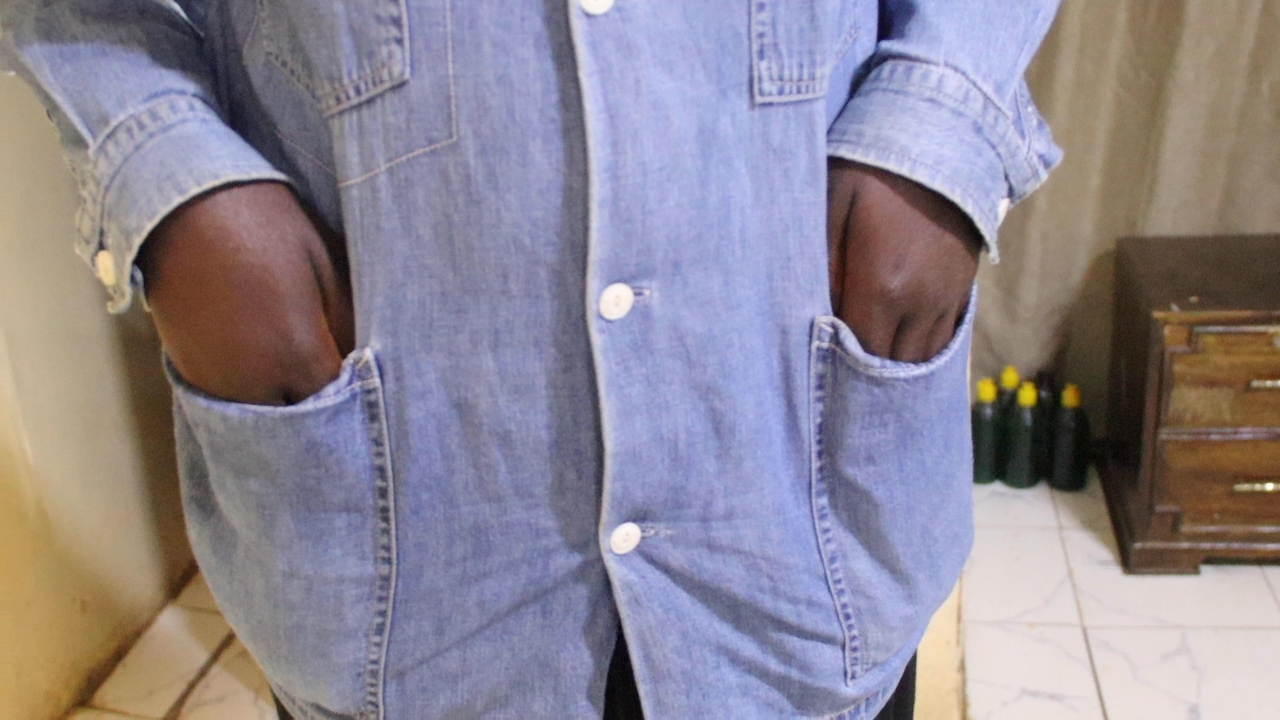
As the day unfolds at the centre, Anne*
joins the group—her presence warm, her energy noticeably lighter.
But her journey has been anything but easy. "I faced very difficult
circumstances when I was young. Before I knew about the organisation, my life
was very hard," she says.
At the age of 14, she was assaulted by
multiple perpetrators—an experience that left her with serious medical
complications affecting her reproductive health. She reported the case to the
police, accompanied by her mother. But
despite assurances, no action was taken.
"I did not feel safe or
supported," she says. "It marked a long period of struggle." Her
experience reflects broader systemic challenges in case handling, survivor
protection, and accountability.
Things began to change after she found
the centre. "A friend told me about the organisation and encouraged me to
seek help. Here, I received safety, counselling, and medical support. Over
time, I regained my strength and confidence," she says.
Today, Anne* speaks openly about it—not
because the pain has disappeared, but because she has found a way forward. "I
now see a future for myself," she says. She runs a small clothing and shoe
business, which she started with assistance from the organisation. The business
has since become a source of independence and stability.
Reflecting on her journey, she
encourages other survivors not to give up. "What happened cannot be
undone, but life can still move forward," she says.
Bridging support systems
The centre operates a short-term rescue
shelter, hosting survivors for up to 48 hours before connecting them to
longer-term support through referral networks. Cases that cannot be handled
internally are referred to partner organisations and specialised shelters.
A dedicated GBV team lead coordinates
safety planning and ensures survivors receive timely, dignified care across
medical, legal, and psychosocial services.
According to Juliet, working in a
community facing economic hardship brings challenges. She says limited
resources constrain how many women and girls the centre can assist and restrict
access to mental health support for both survivors and frontline staff.
She describes the work as emotionally
draining, particularly where insecurity is high. "Perpetrators can target
staff responding to abuse, while the organisation lacks sufficient resources to
relocate or support them when they are at risk. Resistance within the community
also poses difficulties," she says.
Some residents accuse the centre of
breaking up homes or promoting immorality. This pushback reflects broader tensions
around feminist organising and women's rights advocacy. Juliet says the team
counters this by emphasising their core mission: building a safe and dignified
community where women's and girls' experiences are taken seriously.
Despite these challenges, she notes
that impact is often gradual and measured in small but meaningful ways.
"For us, transforming even one
woman's life is progress," she says. "Economic empowerment programmes
do not benefit everyone equally, but even two women sustaining a small business
is a step forward. For survivors, finding the courage to seek help or report
abuse is already a significant shift."
She adds that many women continue to
suffer in silence due to fear and social pressure. "Impact can be as
modest as a woman finding ten shillings to move from one place to another, or
as profound as finding her voice after years of violence. Each step
matters," she says.
Building
the centre from within
Sarah Dafala, a project officer under
the Women's Health, Rights and Well-being pillar and the GBV team lead, says
the centre emerged directly from the lived realities of women in the community.
"I support programmes in the safe
house and assist with legal processes. The organisation's Executive Director
was herself a survivor, and together with other women, they formed a group that
later became this centre," she explains.
"In the beginning, they were
simply sharing their experiences. Many realised they had all survived sexual
violence. From that, the idea of the centre was born—to create a space where
women could be free from violence and rebuild their lives."
She says one of the biggest challenges
remains access to information. "Many survivors do not know their rights.
They do not know the law or where to seek help when violence occurs," she
says.
The centre works to bridge this gap by
connecting grassroots groups, communities, and service providers. "We
bring information closer to the community and empower people with knowledge
that is often out of reach."
According to Sarah, the impact is
visible in the trust survivors place in the space. "People come back
because they feel safe here. That trust and freedom are an impact in
themselves." She also points to cases where sustained follow-up has led to
arrests and prosecutions.
"It shows that systems can work when there is consistent follow-up," she says.
"We also see survivors starting small businesses, gaining independence, and reducing their vulnerability to violence."
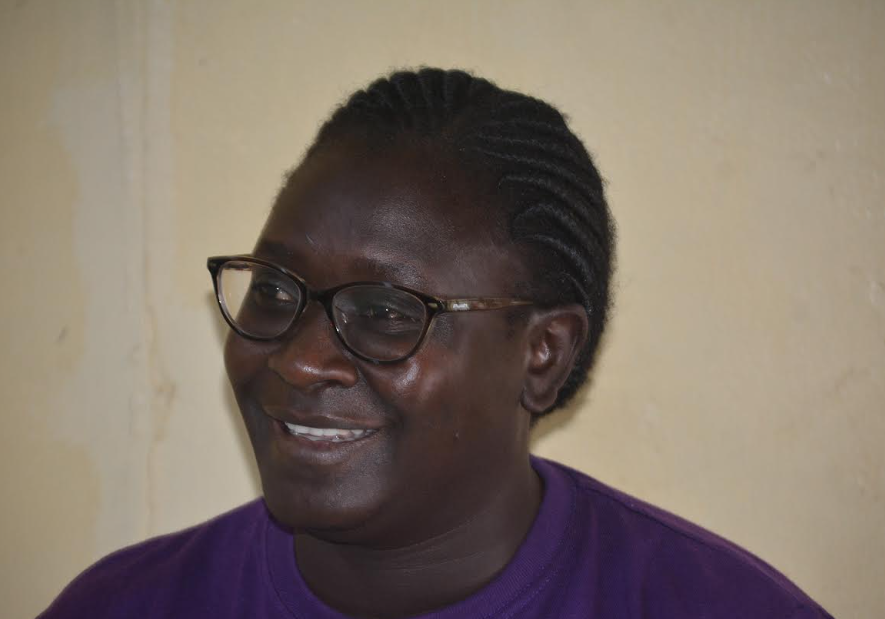
Eunice and Sarah Dafala, who works at the centre as a Project Officer under Pillar 1, which is Women’s Health, Rights and Well-being /VALLERY NAGARA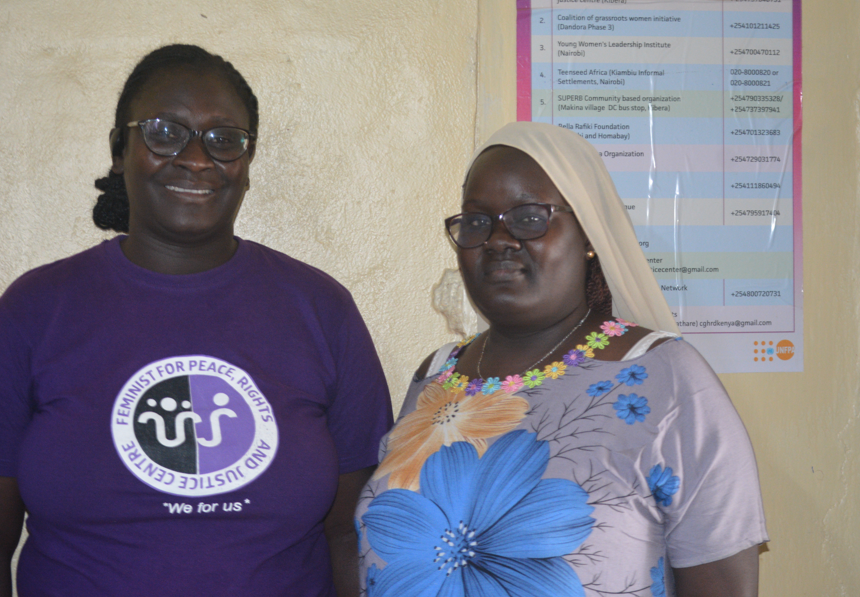
Empowered
recovery
The centre also runs FemiNgarisha, a
small business initiative designed to support survivors' economic empowerment. "FemiNgarisha
was born out of the realisation that we cannot just host women without
supporting them," Sarah says. "Survivors need transport, food, and
basic necessities when we respond to cases. Through this initiative, some have
been able to gain economic independence."
On counselling, she describes their
approach as a form of first-response support. As a paralegal and peer
counsellor, she provides immediate comfort and reassurance before referring
survivors for specialised psychological care, alongside medical and legal
interventions.
"It has had a significant
impact," she says. "You met a survivor we have worked with for two
years—you can see the trust she still has in us."
For Sarah, healing is measured in small
but meaningful shifts. "There was a time we could not speak to some
survivors without tears. Today, you met them, and no one cried. That is how we
gauge healing, when the tears begin to stop."
Still, the burden of care remains
heavy, particularly in the absence of adequate resources and the challenges
survivors face in navigating justice systems. "For survivors, you may not
forget—but you learn to forgive, including yourself, and begin again. We are
here to walk that journey with them," she says.
She also calls for stronger government
action, including stricter enforcement of laws and greater accountability for
perpetrators. "Survivors continue to suffer while perpetrators walk free.
The system must ensure justice is not only promised but delivered," she
adds.
For the Feminists for Peace, Rights and
Justice Centre, impact is rarely immediate. It is seen in a woman learning to
tell her story without breaking down. In a survivor starting a small business.
In a mother who finally feels safe enough to sleep without fear.
For Eunice, the centre has been
transformative. "My life has changed," she says. "I have become
more stable. I have a business, and I can stand strong." She now sells
toiletries—a small but steady source of income that allows her to care for her
children and rebuild her life with dignity.
Her message is simple, but urgent: "Women
need opportunities. They need support."
Legal gaps
These
individual stories unfold within a broader national conversation on
accountability. Wangechi Wachira, Executive Director of the Centre for Rights
Education and Awareness (CREAW), says one of the key challenges is the absence
of a distinct legal definition of femicide in Kenyan law. This omission
continues to complicate efforts to address and prosecute gender-based killings.
“When cases are treated as ordinary murder, the gendered motive is erased,” Wachira says.
“It
strips away recognition of femicide as part of a broader continuum of violence
against women—one that begins with control and discrimination, escalates to
physical and sexual abuse, and can ultimately result in killing.”
Without legal
recognition, she adds, responses remain fragmented—data is inconsistent,
accountability is weakened by pressure to “settle” cases, and prevention
efforts remain underfunded and uneven. She calls for urgent legal reform, a
survivor-centred justice system, and sustained investment to break the cycle of
impunity.
At a broader
level, Kenya’s commitments extend beyond national frameworks. Under Agenda 2063
and the Maputo Protocol, the country has pledged to promote gender equality and
prevent and punish violence against women. These commitments place clear
obligations on state institutions. These priorities are further reinforced in
the African Union’s Gender Equality and Women’s Empowerment Strategy
(2018–2028), which emphasises protection, access to justice, and economic
empowerment for women.
These concerns are reflected in recent
national efforts to address gender-based violence. In January 2025, President
William Ruto gazetted a 35-member Technical Working Group on Gender-Based
Violence, including a focus on femicide, following a surge in cases across the
country.
The group's findings were stark.
Despite Kenya's progressive legal and policy framework on equality, dignity,
and freedom from violence, survivors continue to face significant barriers in
accessing justice, protection, and recovery services. At the same time,
perpetrators often evade accountability due to weak enforcement, harmful social
norms, and systemic failures.
A key gap identified in the report is
the absence of a legal definition of femicide as a distinct offence. As a
result, cases are handled inconsistently, data remains incomplete, and
prevention efforts lack coherence and scale.
The group also highlighted the evolving
nature of gender-based violence, which manifests in physical, sexual, psychological,
economic, and technology-facilitated forms—many of which remain underreported
or inadequately addressed. Vulnerable groups, including women in informal
settlements and persons with disabilities, face compounded barriers to
protection and justice.
Community and family interference was
identified as a major contributor to impunity, with cases often resolved
informally through clan or family negotiations that silence survivors and
undermine formal legal processes. At the same time, social media has increasingly
been used to perpetuate victim-blaming, misinformation, and online abuse,
further retraumatising survivors and their families.
To address these gaps, the group has
proposed a range of reforms aimed at strengthening both prevention and
accountability. These include formally recognising femicide as a distinct
criminal offence, strengthening survivor-centred adjudication, expanding
specialised SGBV courts, and tightening bail and bond conditions for
perpetrators.
The report also recommends amendments
to the Sexual Offences Act to prevent the withdrawal of cases once prosecution
has begun, as well as measures to ensure cases are resolved within defined
timelines.
Further proposals focus on closing
accountability gaps beyond the courtroom, including criminalising informal
settlements of gender-based violence cases through family or clan negotiations,
strengthening enforcement of existing laws such as the Protection Against
Domestic Violence Act, and expanding systems that improve reporting, monitoring,
and response.
As the day ends, the women at the
centre call it a day. While many feel that the struggle is constant in Kibera,
the Feminists for Peace, Rights, and Justice Centre has created a space where
women can begin again. It is a place where pain is acknowledged, healing is
possible, and hope is no longer just a word.
Here, joy is not a fleeting moment. It
is rebuilt by women who refuse to be defined by violence and who are learning,
together, how to live again. Whether these efforts can be sustained and matched
by stronger institutional support remains an open question.
*Survivors' names have been changed to protect their identities*
This story was
produced in partnership with Vice Versa Global and the German Federal Ministry
for Economic Cooperation and Development (BMZ) through the GIZ-African Union
AWARE Project.
![[PHOTOS] The new Ngong –Naivasha Road viaduct](https://cdn.radioafrica.digital/image/2026/06/64d4f771-4432-4aee-ba3c-2f304c4436ec.jpg)








![[PHOTOS] 'Mr Speaker Sir' Gen Z protester in court](https://cdn.radioafrica.digital/image/2026/06/b3e62d8e-25c3-4780-90f9-4eb48b1ce8a7.jpg)