
Sudan's paramilitary Rapid Support Forces (RSF) has been trying to cover up mass killings in the city of el-Fasher by burying and burning bodies, a research team from Yale University says.
The RSF had drawn international condemnation amid reports of executions and crimes against humanity when its fighters captured the city in October.
Now, analysis of satellite images by Yale's Humanitarian Research Lab (HRL) shows the RSF likely disposed of tens of thousands of bodies after seizing el-Fasher.
The RSF has not responded to the report, but its leader previously admitted his fighters had committed some violations in the city.
The HRL's report said the RSF "engaged in a systematic multi-week campaign to destroy evidence of its widespread mass killings" and "this pattern of body disposal and destruction is ongoing".
The paramilitary group has been fighting Sudan's regular army since April 2023, when a power struggle between the two parties erupted into a brutal civil war.
The United Nations (UN) has described the conflict as the world's worst humanitarian disaster.
After 18 months of besieging el-Fasher, the RSF captured the city - a major victory pushing the army out of its last foothold in the vast Darfur region.
The UN was among the many global voices accusing the RSF of massacring civilians as el-Fasher fell.
The HRL has been monitoring the situation in the city for months, and its latest report is part of efforts to understand the extent of the violence suffered by the city's residents.
Fresh analysis of satellite imagery found clusters in multiple locations changing in size in the weeks after el-Fasher fell, the HRL says, adding that this demonstrates continued efforts by the RSF to clean up evidence of massacres.
The images also show more than 80 clusters located outside of the city, which, the HRL says, shows that the RSF was killing people as they tried to flee.
Satellite evidence from November suggests limited civilian activity in the city since it was seized, the researchers say.
Following an international backlash, RSF leader Gen Mohamed Hamdan Dagalo declared an investigation into what he called violations committed by his soldiers during the capture of el-Fasher.
However, the group continued to deny widespread allegations that killings in the city are ethnically motivated and follow a pattern of the Arab paramilitaries targeting non-Arab populations.
The latest HRL report follows warnings from aid agencies about the low number of civilians who managed to succesfully flee el-Fasher after the RSF seizure.
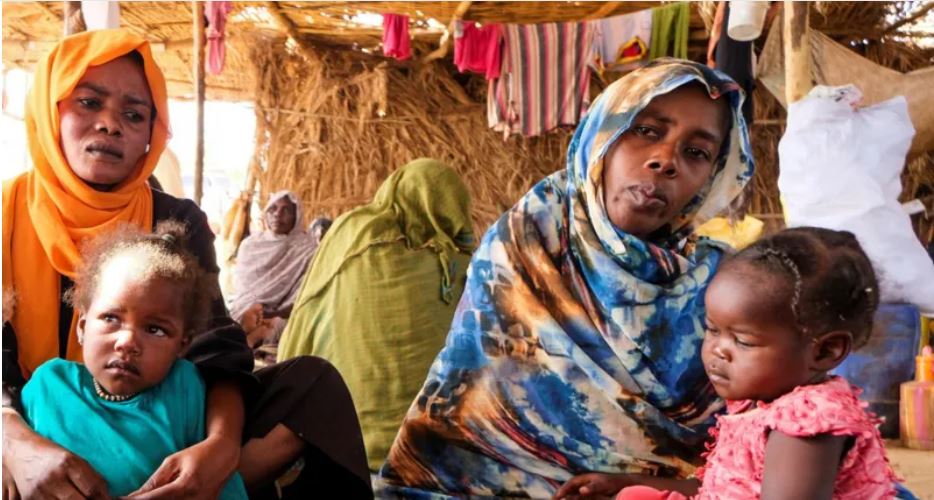
The UN estimates roughly 250,000 people were still trapped in the city, with less than half of that number thought to have arrived in external camps for displaced people.
The RSF has used the seizure of el-Fasher to consolidate its power in western Sudan, and has established a parallel government in Darfur's city of Nyala.
Sudan's army still controls most of the country, with fighting between the two groups rumbling on.
More than 13m people are believed to have been displaced since the war began in April 2023.