

Tanzanian authorities picked a lecturer and questioned him over comments he made in a classroom regarding a planned anti-government protest.
The University of Dodoma Academic Staff Association (UDOMASA) said on Friday in a memo to members that an unnamed member faced police interrogation while urging them to be wary of their environment.
The affected don was allegedly secretly recorded making the comments, and the same was forwarded to the police who acted by arresting and questioning the lecturer.
“On December 9, a fellow staff member was arrested, his home searched and interrogated at a police station before he was released on bail,” UDOMASA secretary general Isaac Mahenge said in the memo.
The unnamed don was accused of allegedly making remarks in his December 8 lecture (10:30-13:30) that incited students to participate in the December 9 demonstrations.
Staff have described the incident as part of an increasingly worrying trend by the government towards any dissent or free speech.
“Purportedly, the alleged remarks were secretly recorded by 'an informer' in the class and sent to 'high authorities,' who ordered the arrest. The incident indicates a "new reality" where lectures may be under surveillance,” Mahenge said.
He added, “Therefore, we urge extreme caution in classrooms, while we investigate the incident and determine the next appropriate steps.”
Human rights advocate Gavriel E. Toviel, who shared the letter on X, said the incident marked a dangerous escalation in state interference in academic spaces.
In the statement, the human rights activist said, "Armed police raided the home of a senior lecturer at night, ransacked his house, seized his belongings, and dragged him to a police cell — all because of words he spoke inside his own lecture hall the previous day."
"Those words were covertly recorded by a regime informer planted among his students and rushed to higher authorities, who ordered the arrest within hours."
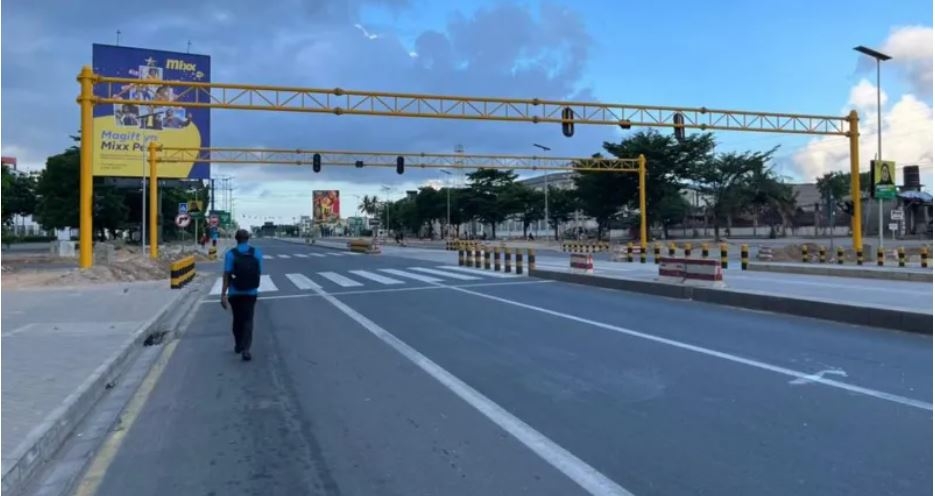
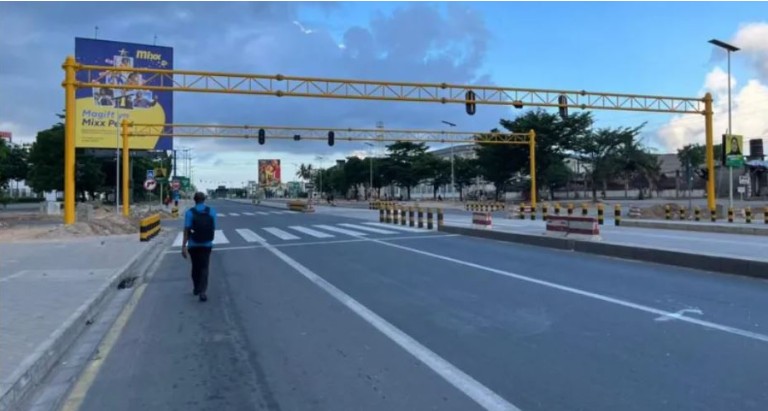
Tanzania has intensified its crackdown in the recent past following the October 29 General Election chaos in which hundreds were allegedly killed.
The government is yet to disclose the number of casualties, even as pressure piles from the international community to release the bodies of the fatalities to families for burial.
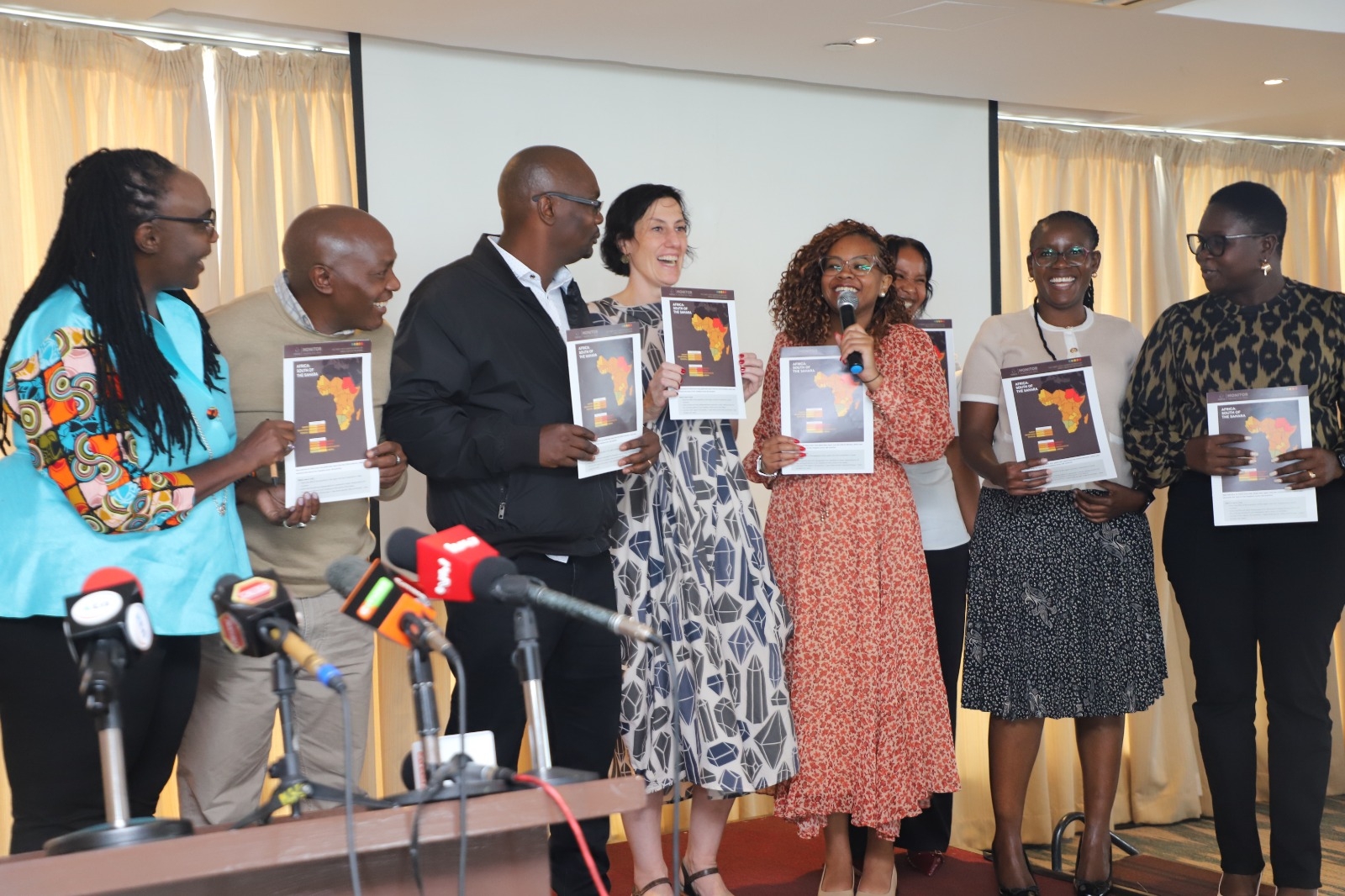
Last week, in a joint letter, human rights organisations, including the International Federation for Human Rights (FIDH) and the World Organisation Against Torture (OMCT) within the framework of the Observatory for the Protection of Human Rights Defenders, alerted the Member and Observer States of the UN Human Rights Council to the post-election crackdown in Tanzania.
“The Council should hold a debate following a public briefing by the UN High Commissioner for Human Rights. If needed, stronger action could follow, including the convening of a special session of the Council to address the deteriorating human rights situation in Tanzania,” the statement added.
The groups said that despite challenges in verifying the number of people affected because of a government-imposed lockdown, media restrictions, and internet and electricity shutdowns, regional and international bodies have raised concerns about the large number of fatalities.
“Credible reports point to hundreds of people killed by police and unidentified security personnel in the economic capital, Dar es Salaam, and several Tanzanian regions from October 29 to November 2 2025. The actual figures could be higher. Authorities have deliberately prevented journalists from reporting on elections and protests,” the groups claimed.