
As he
continues consultations at his Wamunyoro political base, Gachagua has made it
clear that he is determined to consolidate his position as Mt Kenya’s principal
political voice ahead of the 2027 General Election.
His bid
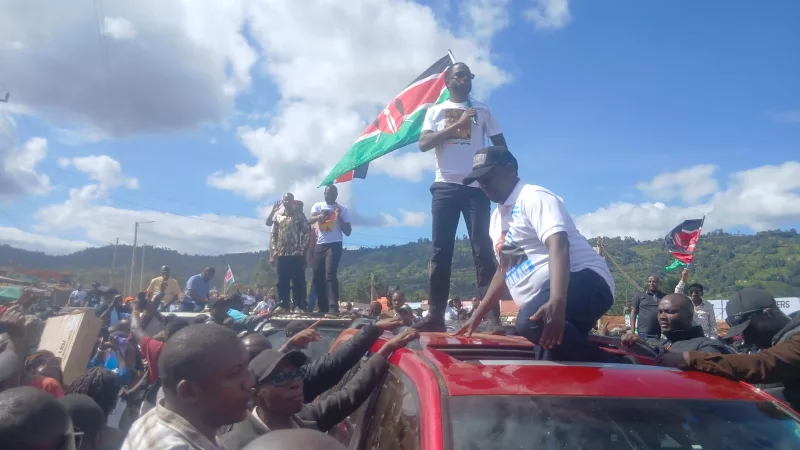
received a major boost after DCP won the Ol Kalou parliamentary by-election
on Thursday.
Gachagua
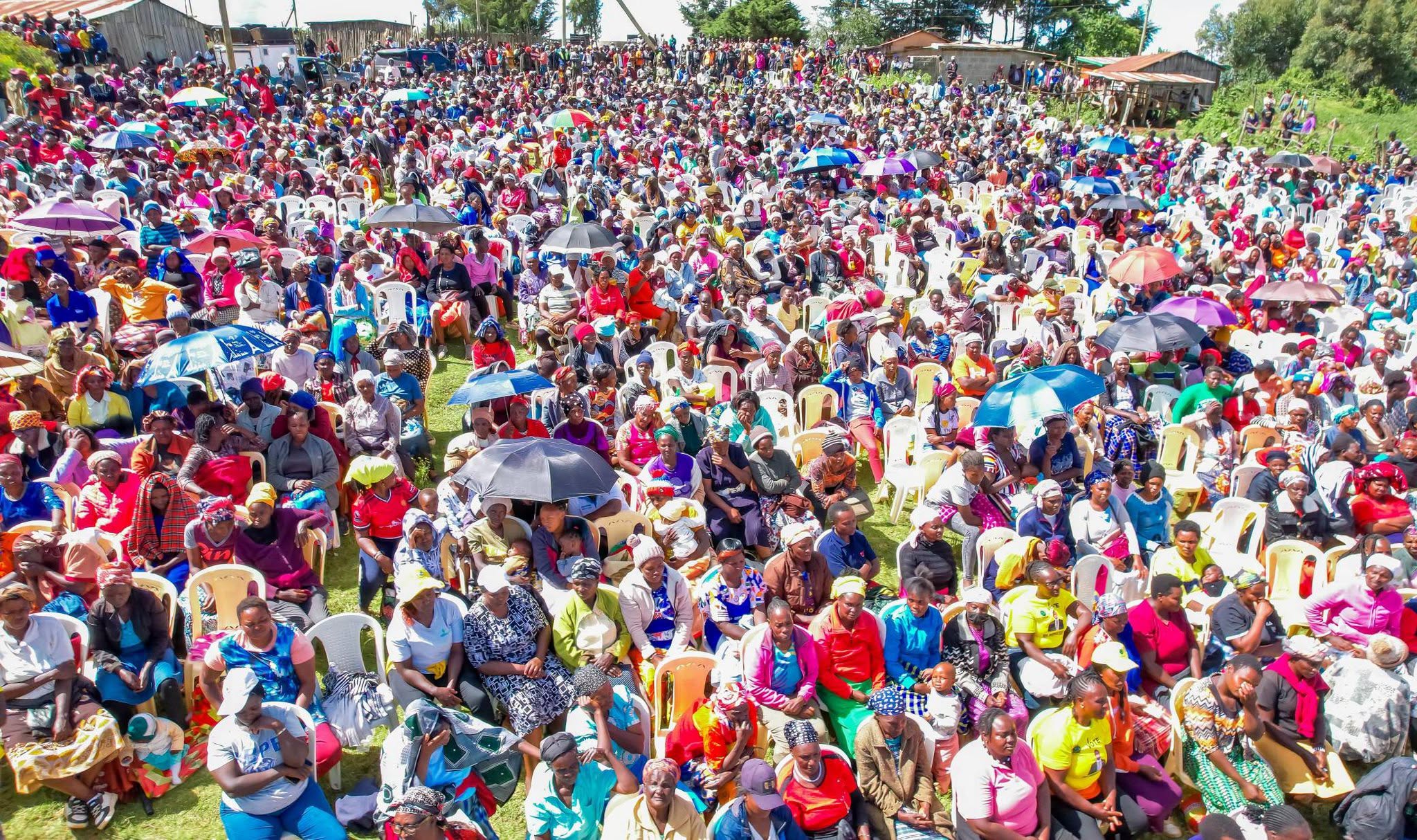
has since intensified mobilisation across the region, urging supporters to
rally behind one political party. He argues that Mt Kenya can only negotiate
effectively within the opposition if it speaks with one voice.
The former
Deputy President has also not hidden his displeasure with Mt Kenya leaders who
are reluctant to work with him.
The latest
signs of this emerged during campaigns for the Ol Kalou by-election, where
Gachagua publicly declared that he did not need the support of the Linda
Mwananchi Movement.
He also
took issue with Murang’a Governor Irungu Kang’ata, claiming the governor had
little understanding of the dynamics of the by-election.
“I want to
tell my brother Irungu Kang’ata, I heard him saying that he wants to come with
Linda Mwananchi to Ol Kalou. We don’t need you there for DCP, unless you are
coming to campaign for another party,” Gachagua said.
In what
appeared to be an attempt to prevent others from sharing credit for an expected
victory, Gachagua insisted DCP did not need outside support in the final
stretch of the campaign.
“He cannot
come and bring Linda Mwananchi to campaign the last day without knowing what
the issues are and how the campaign is being done,” he added.
The remarks
reinforced growing indications that Gachagua intends to politically isolate Mt
Kenya leaders who are not directly aligned with him, including those in the
‘wantam’ brigade.
Earlier,
Gachagua warned that DCP would field former Water PS Joseph Irungu against
Kang’ata if the governor declined to join his camp.
Political
observers say the strategy is part of Gachagua’s broader effort to position DCP
as the dominant political force in the region.
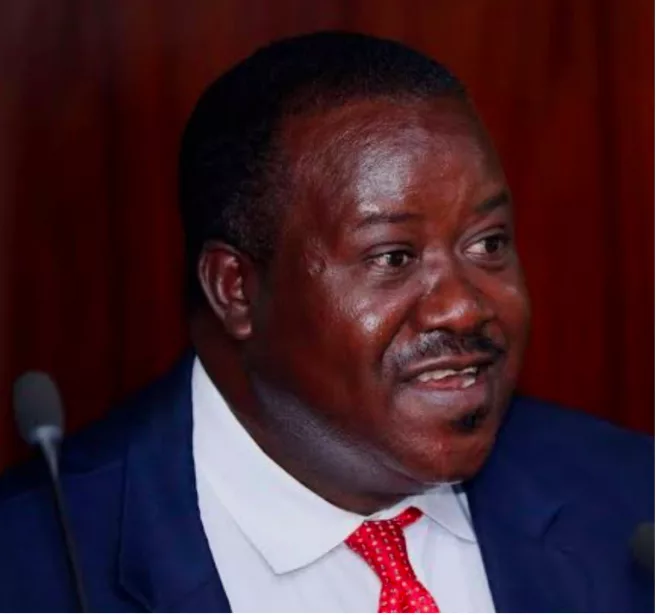
“He has
fashioned himself as this regional kingpin in Mt Kenya, saying he is in control
of this number of votes, which we don’t know yet,” Prof Macharia Munene said.
“And going
by the politics of this country, he wants to have full control so that he has
the leverage at the United Opposition table.”
The
university don said that although the opposition is expected to unite under a
common framework, individual influence and political bargaining will remain
critical.
In previous
elections, Mt Kenya largely rallied behind PNU in 2007, TNA in 2013, Jubilee in
2017 and UDA in 2022.
Today,
opposition parties with roots in the region include Jubilee, led by former
President Uhuru Kenyatta, the Democratic Party led by Justin Muturi, Martha
Karua’s People’s Liberation Party and Peter Munya’s PNU.
Gachagua
has also made it clear that he would prefer former Interior CS Fred Matiang’i
to seek the presidency through his own political party rather than join another
Mt Kenya outfit that could dilute DCP’s influence.
While
campaigning in Ol Kalou, Gachagua insisted that despite Jubilee and PNU
fielding candidates, the real contest was between President William Ruto’s UDA
and DCP.
However,
Jubilee deputy party leader Jeremiah Kioni has consistently defended the
party’s place in Mt Kenya politics, insisting it remains a national party with
strong grassroots structures across the region.
Kioni has
also rejected suggestions that Gachagua has exclusive political ownership of Mt
Kenya.
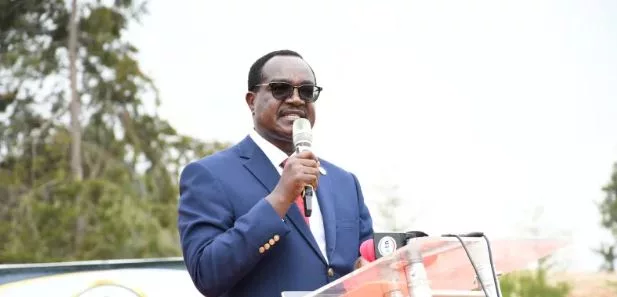
“I am aware
Gachagua is collecting views and wants to share them with Uhuru. I am also
collecting views in my Ndaragwa Command Centre every Saturday. We are
discussing what direction we will take,” Kioni said.
“There are
2.6 million voters who didn’t vote the Wamunyoro way in 2022. There are others
who now feel misled. So the 7 or 8 million (votes) is not in one basket.”
The growing
profile of leaders such as Kang’ata and former Kiharu MP Ndindi Nyoro has also
fuelled debate over whether alternative centres of political influence are
emerging in Mt Kenya.
Nyoro, once
one of President William Ruto’s closest allies, has recently taken a more
critical stance towards the Kenya Kwanza administration, fuelling speculation
about his political future.
Kiambu
Governor Kimani Wamatangi has also maintained a degree of political
independence despite repeated speculation linking him to DCP. His position
reflects the cautious approach many elected leaders are taking as political
alliances shift.
Analysts
say Gachagua’s determination to consolidate Mt Kenya behind DCP is driven by
the belief that whoever controls the region’s dominant political vehicle will
command greater influence during coalition negotiations.
That
leverage would extend to decisions on the presidential candidate, running mate,
parliamentary seat-sharing and the formation of government if the opposition
wins power.
“Gachagua
understands that numbers alone are not enough. The party that is seen to
command the Mountain will negotiate from a position of strength,” Dr Charles
Ng’ang’a said.
“That
explains why DCP is keen to establish itself as the primary political home for
the region.”