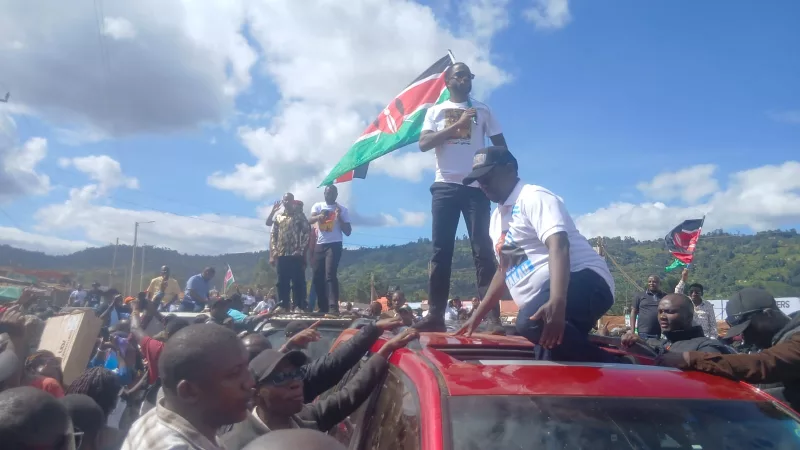
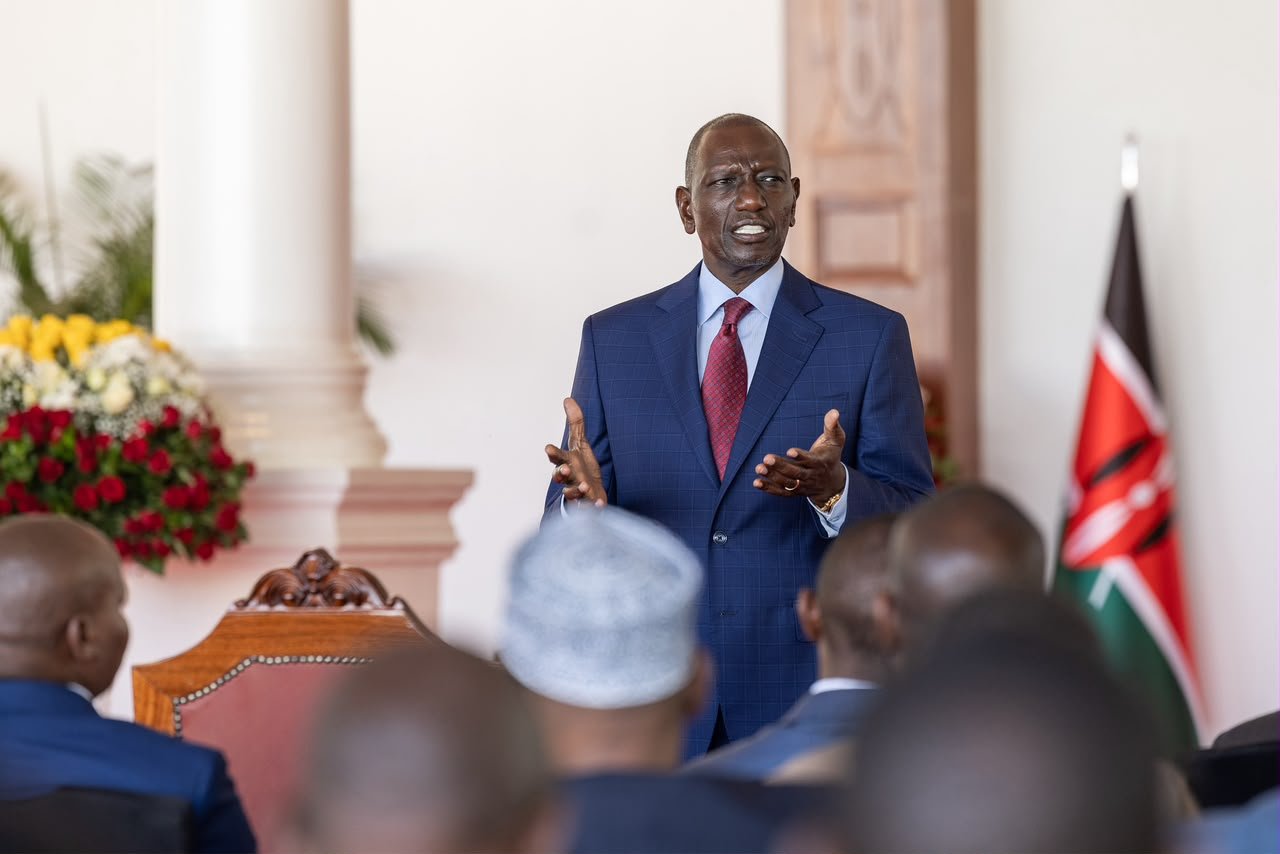
President William Ruto’s strategy to galvanise Western Kenya faces a fresh political test following the emergence of a new alliance led by Senator Edwin Sifuna and Governor George Natembeya.
The two leaders are plotting a bold plan – to unite the region and front their own presidential candidate – in a bid to rally residents behind a new political vehicle yet to be unveiled.
“A party that will be used as our vehicle will be unveiled soon,” Vihiga Senator Godfrey Osotsi said.
Their strategy threatens to undermine and weaken Ruto’s support in a region the President has seemingly identified as critical to his re-election bid.
The development comes as Ruto grapples with growing political challenges in other regions, especially Mt Kenya, amid a fierce onslaught by the united opposition.
This follows his fallout with former Deputy President Rigathi Gachagua, who has teamed up with other opposition figures and mounted an aggressive campaign against his former boss.
As such, Ruto has apparently been seeking new voting blocs, with Western, Nyanza and the Coast key to his plans, to compensate for declining support in Mt Kenya and steady his re-election path.
For years, former ODM leader Raila Odinga dominated the region. Ruto had hoped to inherit the voting bloc following the demise of the veteran opposition leader.
However, the emergence of Sifuna and Natembeya now poses a challenge to the President’s plans.
Political analyst Martin Andati said it would be a tough battle for the President to overcome the Sifuna-Natembeya wave. “It will not be an easy ride for the President in Western. He will need a campaign team whose messaging resonates with local communities,” Andati said.
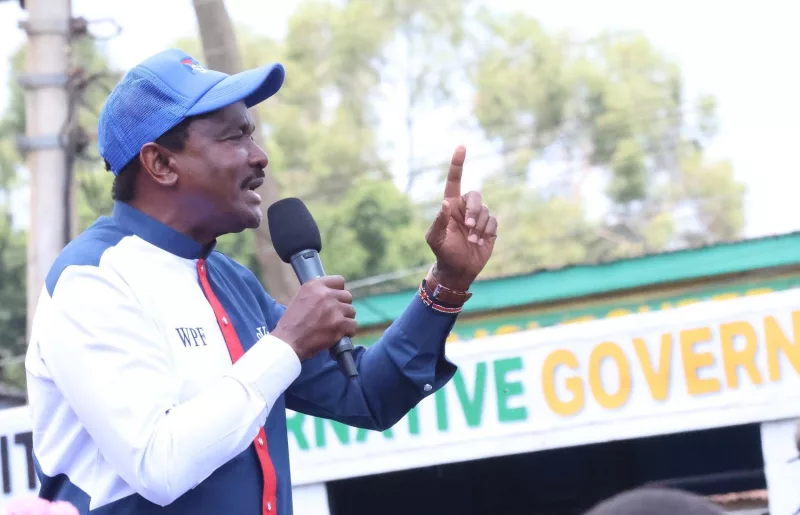
Kakamega Senator Boni Khalwale believes the new movement could significantly alter the political landscape.
“Over the years, Kenya’s politics has largely followed ethnic and regional lines. Sifuna finds himself in a unique position because he enjoys regional and ethnic support,” he said.
“He also enjoys significant support among young people across the country. Combined with regional backing, he will be a formidable presidential candidate.”
But Ruto’s allies insist the President remains firmly in control.
The President’s deputy campaign coordinator in Western Kenya, Ayub Savula, dismissed Sifuna’s presidential ambitions.
“In 2013, Mudavadi contested for President. What impact did he have? None. The same fate awaits Sifuna,” he said.
“We have 29 MPs, four governors and four deputy governors supporting the President. Sifuna has one governor and two MPs. How does he expect to win?”
Savula said Ruto’s campaign structure extends from the grassroots to the national level and remains well positioned to defend the region.
The Sifuna-Natembeya team has already endorsed the Nairobi senator as its preferred presidential candidate for next year’s general election.
“The resolutions reached following a meeting at the home of Governor Natembeya are that Luhya leaders allied to Linda Mwananchi will rally behind Sifuna ahead of the election,” Osotsi said.
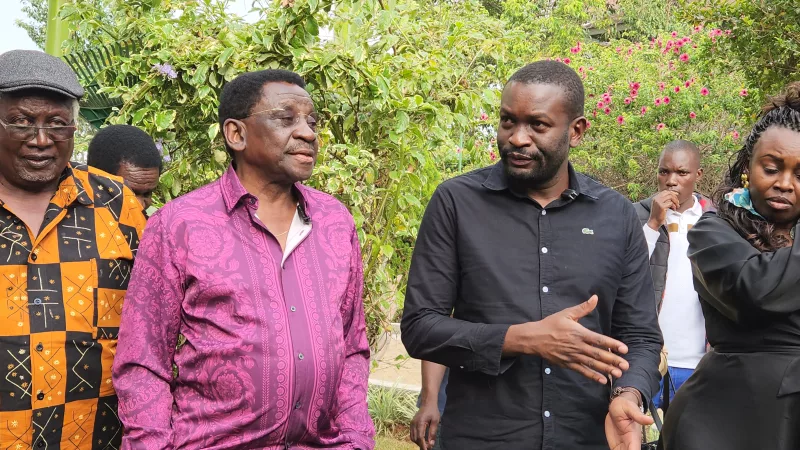
The endorsement was reached during a consultative meeting at Natembeya’s residence in Milimani.
Those present included Sifuna, Osotsi, Kabuchai MP Majimbo Kalasinga and Bumula MP Jack Wamboka.
The leaders announced an ambitious mobilisation campaign targeting all 38 constituencies in Western Kenya.
Natembeya said the campaign would focus on voter registration and grassroots mobilisation.
“We are going to launch vigorous grassroots campaigns in all 38 constituencies in Western Kenya to mobilise our people to register as voters and support our political agenda,” he said.
The campaign begins later this month, when Natembeya hosts a Linda Mwananchi rally in Trans Nzoia on July 25, before Sifuna’s homecoming in Bungoma on July 26.
“All our tribes will be there together with Luhya community leaders, councils of elders and leaders from various organisations,” Natembeya said.
The emergence of the two leaders has injected fresh energy into Western Kenya politics and opened a new contest over who speaks for the region.
For years, Prime Cabinet Secretary Musalia Mudavadi, National Assembly Speaker Moses Wetang’ula and Cooperatives CS Wycliffe Oparanya have been regarded as the region’s most influential political figures.
Mudavadi and Wetang’ula were instrumental in delivering support for Ruto during the 2022 general election.
Their alliance helped the President narrow Raila’s traditional dominance in the region.
However, political observers say Sifuna and Natembeya are increasingly attracting younger voters and presenting themselves as the new political face of Western.
Political commentator Mark Bichachi argued the region will be among the key battlegrounds in the next election. “It behoves the President to create campaign teams across the country. Jubilee won the 2017 election by canvassing both old and new voting blocs,” he said.
“One strategy for winning an election is ensuring you get votes even in opposition strongholds while winning overwhelmingly in your traditional bases.”
Western remains one of the country’s largest voting blocs, with more than 2.2 million registered voters spread across Kakamega, Bungoma, Busia and Vihiga counties.
During the 2022 presidential election, Raila secured 1.02 million votes in the region against Ruto’s 630,000.
Ruto received 255,906 votes in Bungoma, 141,166 in Kakamega, 116,776 in Trans Nzoia, 67,633 in Vihiga and 48,801 in Busia.
Soon after the election, Wetang’ula credited Bungoma voters with playing a decisive role in Ruto’s victory.
“It was your vote in Bungoma that made the difference,” he told residents.
Since assuming office, Ruto has intensified efforts to strengthen his grip on Western.
His administration has rolled out development projects, appointed leaders from the region to senior government positions and sought to leverage the political networks previously associated with Raila.
The President has also relied heavily on Mudavadi, Wetang’ula and Oparanya to consolidate support.
The contest in Western has become more significant because of the shifting political landscape. Ruto’s traditional support remains strong in the North Rift and South Rift.
However, his influence in Mt Kenya has weakened considerably following his fallout with Gachagua.
The former DP has consolidated support across much of the region and repeatedly declared Mt Kenya will deny Ruto a second term.
“The mountain that made you President will make you a one-term President,” Gachagua said during a recent rally.
Ruto also faces a tough test in Ukambani, where the opposition is expected to retain its dominance.
Wiper leader Kalonzo Musyoka is the dominant political figure and has consistently delivered overwhelming support to Raila in previous elections.
The same applies to the Gusii region, where Jubilee deputy party leader Fred Matiang’i is the leading light.
Ruto is banking on making further gains in Nyanza should his political cooperation with ODM endure until the next election.
At the Coast, Ruto has strengthened his political machinery through the appointments of former governors Hassan Joho and Salim Mvurya as CSs, alongside Senate Speaker Amason Kingi, who remains an influential figure in the region.
The Northeastern region, Nairobi and the Maa counties of Narok, Kajiado and Samburu are also likely to remain key battlegrounds.
INSTANT ANALYSIS
The emergence of Edwin Sifuna and George Natembeya has introduced a new dynamic into Western Kenya politics at a time when President William Ruto is seeking to offset declining support in Mt Kenya. Their grassroots mobilisation and push to redefine the region's leadership could weaken the influence of Ruto's key allies, Musalia Mudavadi and Moses Wetang'ula. While the President retains a strong political network, Western Kenya is shaping up as a critical battleground that could significantly influence the outcome of the 2027 presidential election.

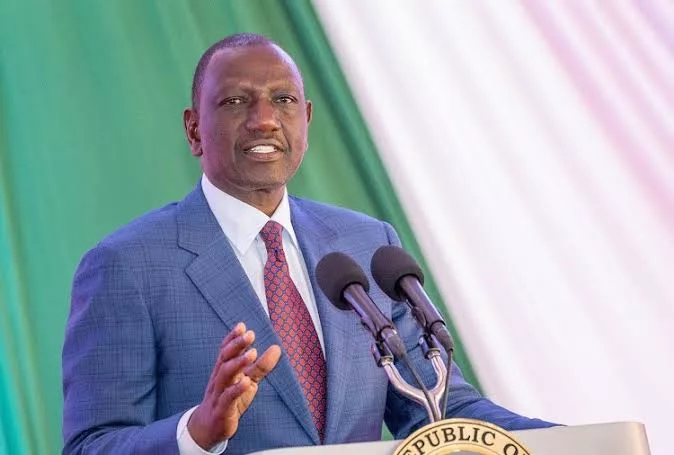
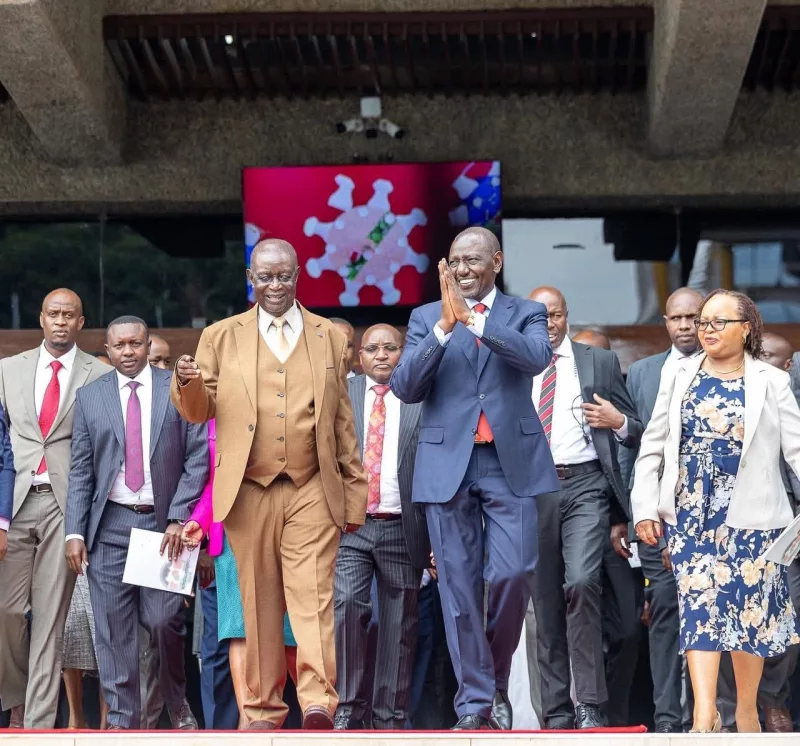
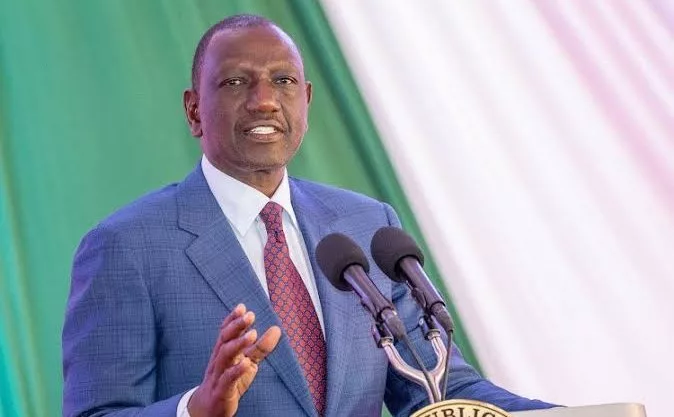 President William Ruto/HANDOUT