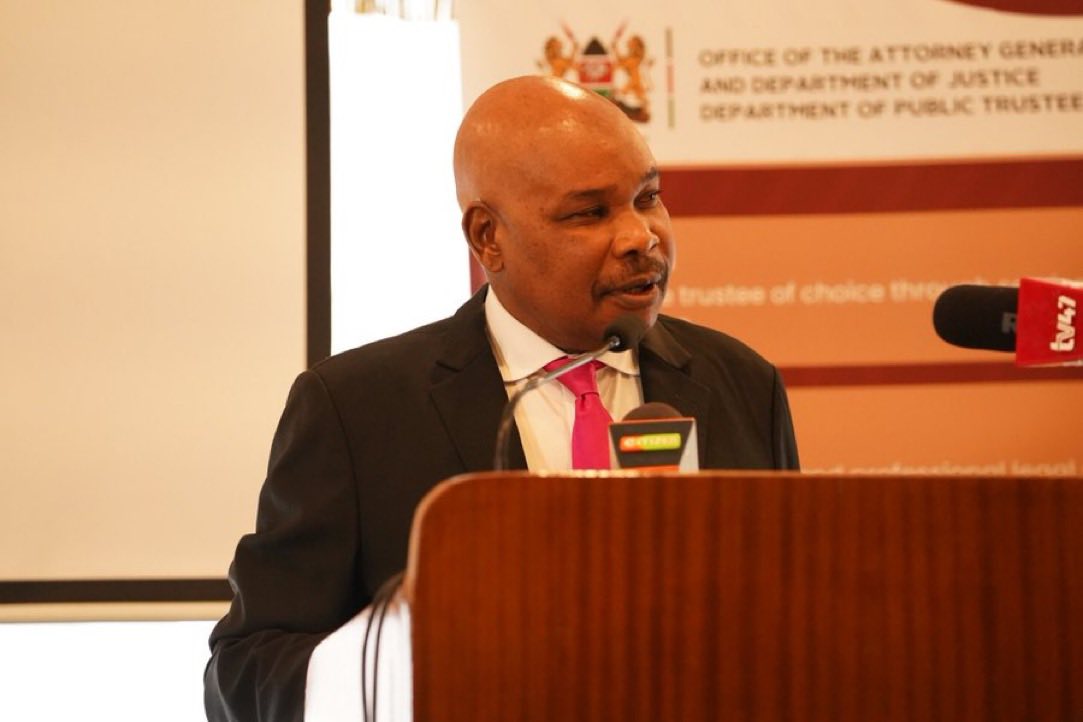
 Chairperson of the Protest Victims Compensation Panel, Makau Mutua speaking in a past interview/ FILE
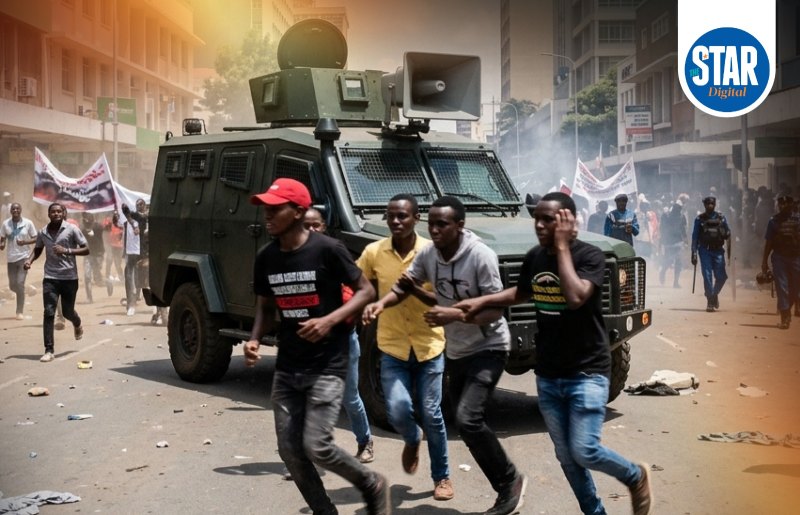
Chairperson of the Protest Victims Compensation Panel, Makau Mutua, has outlined the process victims of protests are required to follow when applying for compensation, saying claimants must demonstrate that their injuries, deaths or losses were directly linked to protests or riots that occurred between 2013 and 2025.
Mutua said eligible victims can submit claims through the panel, the Kenya National Commission on Human Rights (KNCHR), the Independent Policing Oversight Authority (IPOA) or the Ethics and Anti-Corruption Commission offices.
Speaking on Citizen TV's Sunday Live, while explaining the criteria and documentation required for victims seeking compensation under the ongoing exercise aimed at addressing harms suffered during protests and demonstrations over the 12-year period.
"We are covering the period from 2013 to 2025, but there are some qualifying events. The claim that is made must be connected to a protest or a riot in the course of trying to exercise the predicates of Article 37, which is a right to protest, to demonstrate, to petition and so on. So your claim must fall within those events. If it does not, it does not qualify," Mutua said.
He said victims who believe they qualify for compensation must first identify themselves and formally lodge their claims through the designated channels.
According to Mutua, many victims have already submitted complaints through KNCHR and IPOA, but those who have not done so can still approach the relevant offices or contact the panel directly.
"I myself have called openly for anyone who feels that they qualify for compensation to come forward and lodge a claim," he said.
Mutua said the panel will require supporting evidence to verify claims before any compensation can be considered.
He explained that families seeking compensation for fatalities will be required to provide documents such as post-mortem reports, death certificates or other evidence confirming that the death occurred during a qualifying protest or riot.
For injury-related claims, he said applicants will need to provide documentation including police reports, hospital records, medical bills or other evidence showing they sustained injuries during the protests.
"If you are injured, we would want a police report, a hospital bill, some evidence that, in fact, you are injured," he said.
Mutua acknowledged concerns that some individuals could attempt to file fraudulent claims but said the panel has put in place mechanisms to verify and authenticate every application.
He cited past experiences during efforts to seek compensation for victims of Mau Mau-era atrocities, saying some people who were not eligible had attempted to present themselves as claimants.
"We know these things can happen. There's no doubt about it. That's why we have a foolproof process of authenticating and verifying claims," he said.
![[PHOTOS] The new Ngong –Naivasha Road viaduct](https://cdn.radioafrica.digital/image/2026/06/64d4f771-4432-4aee-ba3c-2f304c4436ec.jpg)




![[PHOTOS] 'Mr Speaker Sir' Gen Z protester in court](https://cdn.radioafrica.digital/image/2026/06/b3e62d8e-25c3-4780-90f9-4eb48b1ce8a7.jpg)