 Shiquo Hii Style / Screengrab
The Anti-Counterfeit Authority (ACA) has broken its silence on the ongoing matter involving businesswoman and social media personality Shiquo Hii Style.
In a statement issued on Thursday, the Authority said it had taken note of videos, media reports and social media discussions regarding an alleged counterfeit goods enforcement operation involving the entrepreneur and her retail business.
“While the Authority does not comment on ongoing investigations or matters that may be subject to legal processes, ACA welcomes the opportunity to provide clarity on the nature of counterfeiting, the legal framework that governs our enforcement activities, the safeguards we employ to protect traders' rights and the pathway available to entrepreneurs who wish to build and protect legitimate brands in Kenya,” the Authority said.
The statement comes amid widespread public discussion following reports of an enforcement operation linked to Shiquo's business.
Without directly addressing the specifics of the case, ACA explained that under the Anti-Counterfeit Act, counterfeit goods are products that unlawfully reproduce, imitate or use protected trademarks, logos, packaging, labels, designs or other intellectual property without authorisation from the rights holder.
The Authority said such products mislead consumers, unfairly compete with legitimate businesses and undermine confidence in the marketplace.
ACA maintained that its enforcement activities are aimed solely at unlawful trade in counterfeit goods and not legitimate business operations.
“It is critical to emphasise that the Anti-Counterfeit Authority does not interfere with legitimate business operations. ACA's enforcement activities are directed exclusively at unlawful trade in counterfeit goods,” the statement said.
According to the Authority, businesses that source products legally, maintain proper documentation and comply with intellectual property laws have nothing to fear from enforcement actions.
The agency also outlined how investigations are conducted, saying they may arise from complaints by intellectual property rights holders, market surveillance activities, intelligence reports, consumer complaints, multi-agency operations or information received from members of the public.
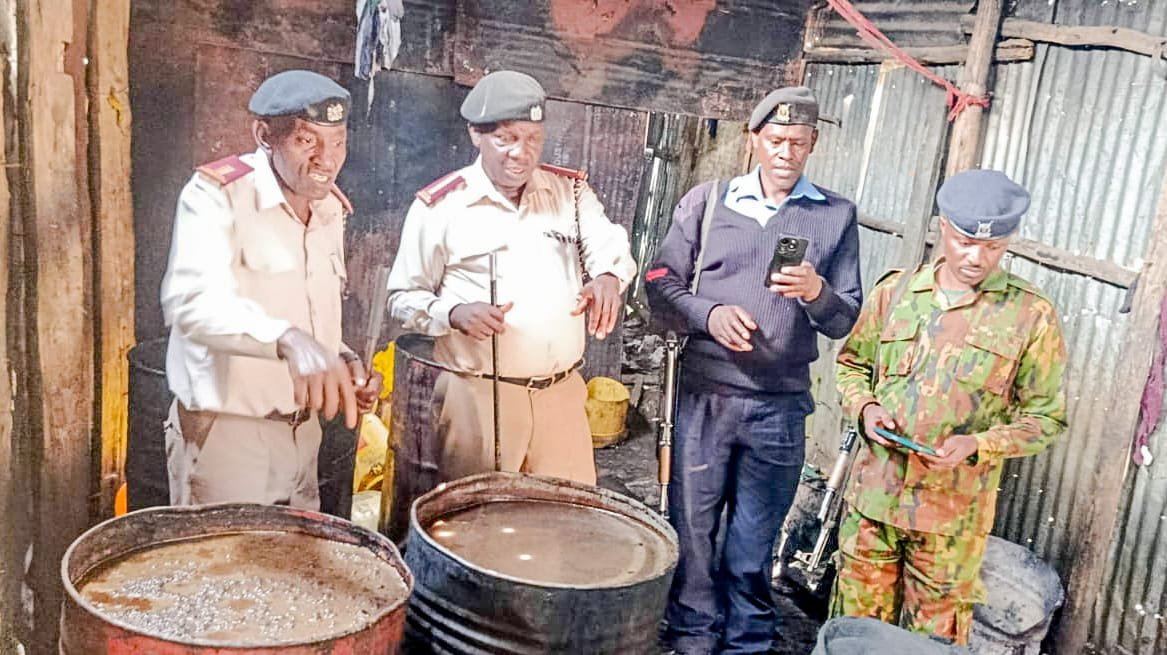
Where reasonable grounds exist to suspect goods may be counterfeit, ACA inspectors are empowered by law to conduct inspections, investigations, searches, detentions and seizures.
The Authority emphasised that traders whose goods are detained or seized are entitled to due process.
It said inventories are prepared and documented, affected parties are informed of the action taken and given an opportunity to provide documents supporting the authenticity and lawful acquisition of the goods.
Rights holders or their representatives may also be involved in technical verification of the products.
“Critically, the affected party has the right to challenge any action before a court of competent jurisdiction,” ACA said.
The Authority further noted that goods are released to their owners where investigations establish that they are genuine and do not infringe intellectual property rights.
ACA also acknowledged public remarks attributed to Shiquo expressing interest in developing her own brand, saying it welcomes such entrepreneurial ambitions.
The Authority encouraged traders and entrepreneurs to build distinctive brands and seek protection through trademark registration with the Kenya Industrial Property Institute (KIPI).
According to ACA, registered trademarks enjoy legal protection against unauthorised use and can benefit from additional enforcement support through the Authority's intellectual property recordation system.
The agency urged businesses to source products from legitimate suppliers, maintain proper records and comply with intellectual property laws, while calling on consumers to purchase goods from reputable outlets and report suspected counterfeit products.
ACA said it remains committed to enforcing the law fairly, professionally and transparently.