Kenya has intensified efforts to tackle unsafe food in local markets after fresh tests revealed alarming levels of aflatoxin contamination in some cereal products, raising concerns over public health and food security.
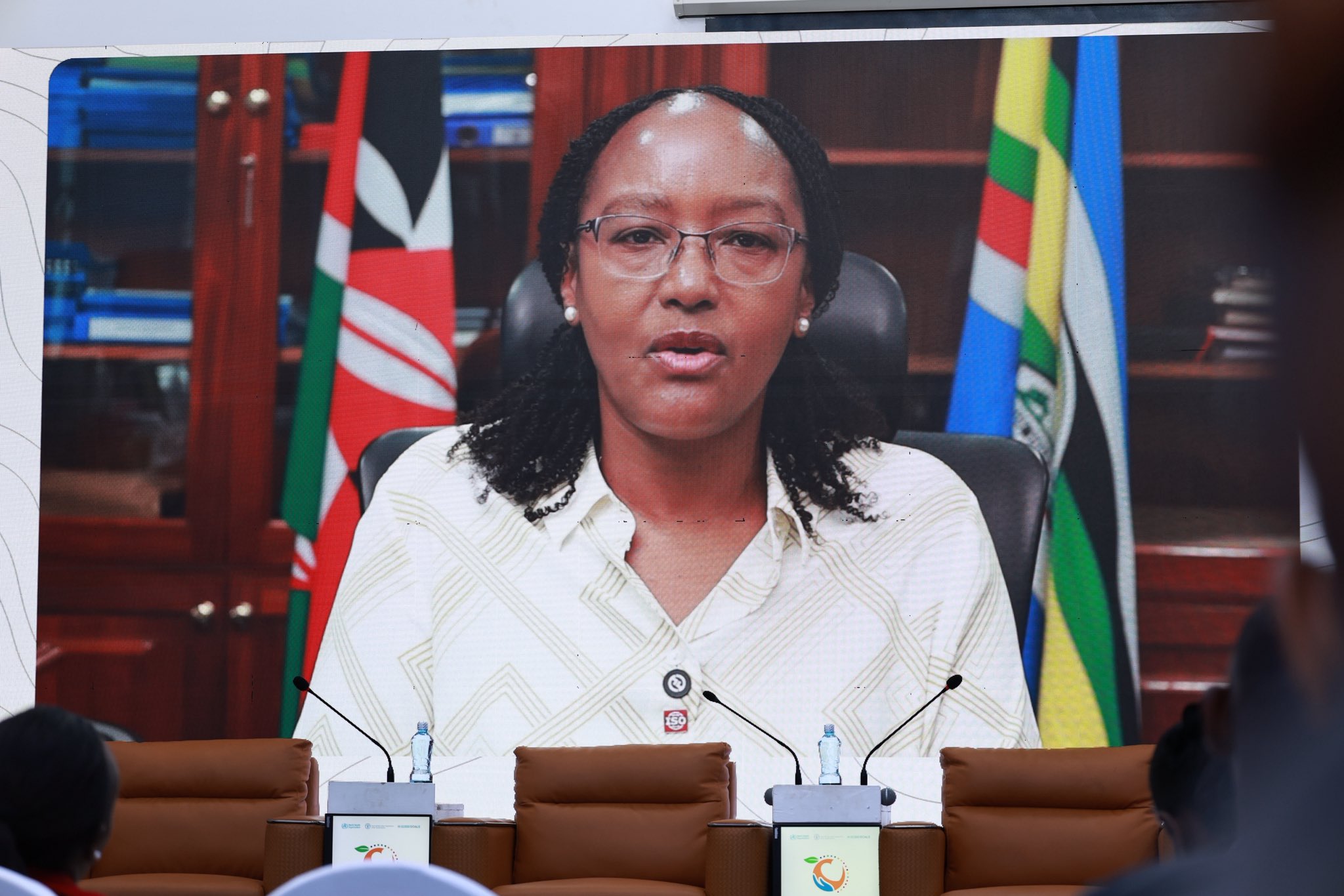
Speaking during the World Food Safety Day 2026 celebrations in Nairobi, Kenya Bureau of Standards (KEBS) Managing Director Esther Ngari said food safety must be treated as a national investment rather than a regulatory burden.
“This year’s theme, ‘From Burdens to Solutions: Safe Food Everywhere,’ reminds us that food safety is not simply about compliance or inspection. It is about protecting lives, strengthening livelihoods, supporting trade and preserving public confidence,” Ngari said.
She warned that Kenya's rapidly expanding food supply chains are exposing consumers to new risks, including unsafe pesticide use, counterfeit food products, inadequate storage, weak traceability systems and contamination by toxins such as aflatoxin.
“Safe food strengthens healthcare systems by preventing disease, strengthens our economy by opening markets and strengthens trust between producers, businesses, regulators and consumers,” she said.
The warning comes amid concerns raised by the Kenya Agricultural and Livestock Research Organisation (KALRO) over dangerous levels of aflatoxin detected in cereals sold in some markets across the country.
KALRO Director General Patrick Ketiem said laboratory analysis of samples collected from various cereal markets showed contamination levels far exceeding the maximum allowable limits.
“Some of the samples tested had contamination levels of up to 500 parts per billion against the recommended safety limit of 10 parts per billion (ppb),” Ketiem told the press.
“The only acceptable limit by the World Health Organisation (WHO) is 10ppb. If you have passed 10ppb, it cannot be accepted,” he added.
Aflatoxins are poisonous substances produced by certain fungi that commonly affect cereals such as maize and sorghum, especially when crops are poorly stored.
Long-term exposure has been linked to liver disease, cancer and weakened immunity.
In response, KEBS announced it is stepping up surveillance and inspections across food markets to ensure products sold to consumers comply with safety standards.
KEBS Director of Quality Assurance Geoffrey Muriira said unsafe food remains a major but often overlooked public health challenge.
“If it is not safe, it is not food, and this is the message that we want everybody to have because food safety is a shared responsibility,” Muriira said.
“There is more need to create awareness to ensure that the population understands the burden we are facing because of unsafe food.”
Ngari said solutions must begin at the farm through good agricultural practices and responsible chemical use before extending to transportation, storage, processing and retail.
She emphasised that food safety cannot be left to regulators alone but requires the involvement of farmers, traders, processors, researchers, businesses and consumers.
“Safe food cannot exist only in large factories and export facilities. It must exist everywhere, in our open-air markets, in school feeding programmes, restaurants, supermarkets, homes and across every county of our Republic,” she said.
The World Food Safety Day celebrations brought together regulators, researchers, industry players and consumer representatives to discuss ways of strengthening Kenya’s food safety systems and protecting consumers from preventable health risks.



![[PHOTOS] The new Ngong –Naivasha Road viaduct](https://cdn.radioafrica.digital/image/2026/06/64d4f771-4432-4aee-ba3c-2f304c4436ec.jpg)









![[PHOTOS] 'Mr Speaker Sir' Gen Z protester in court](https://cdn.radioafrica.digital/image/2026/06/b3e62d8e-25c3-4780-90f9-4eb48b1ce8a7.jpg)