

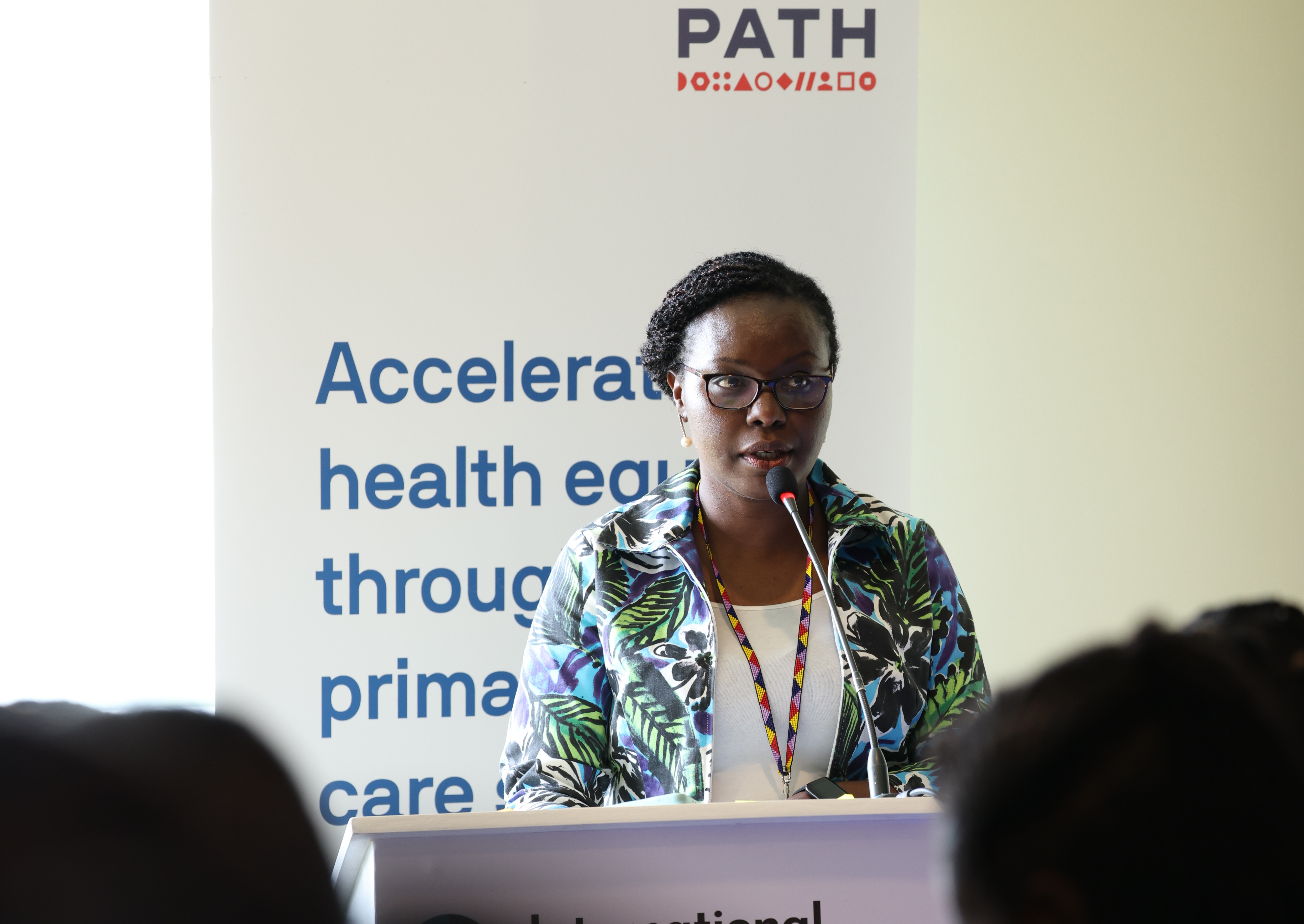
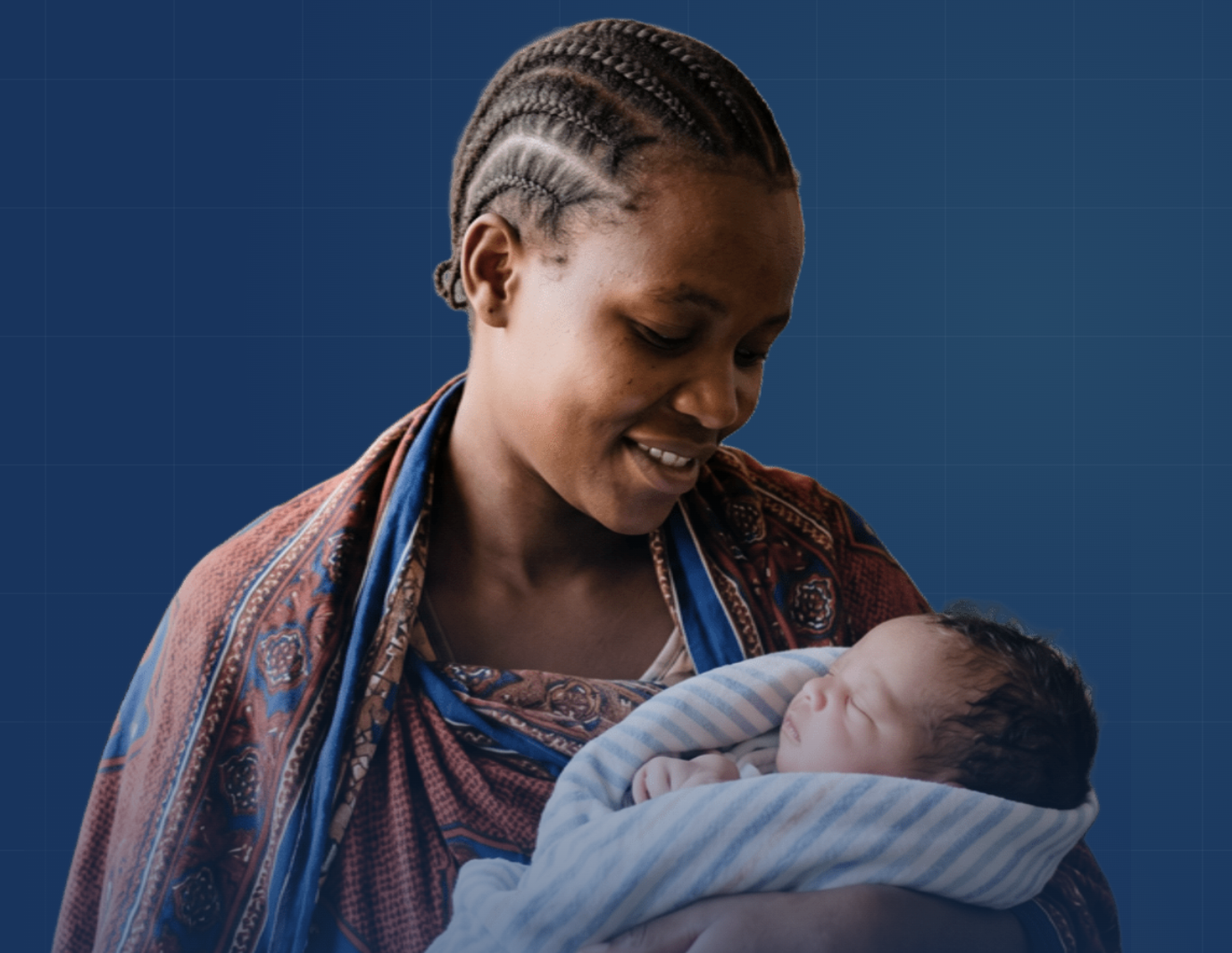
Kenya continues to face a severe maternal and newborn health crisis, with new estimates showing that an average of 15 mothers, 92 newborns, and 93 stillbirths are lost every day due to largely preventable complications.
The figures, highlighted in the Every Woman Every Newborn Everywhere (EWENE) Kenya initiative, underscore the scale of mortality that persists despite increased access to health facilities and ongoing investments in maternal care.
EWENE initiative, launched on May 28, 2026, is a global programme adopted by Kenya and led by the Ministry of Health and partners. It aims to accelerate the reduction of maternal and newborn deaths across the country.
“15 percent target reduction in six months across 26 counties,” the EWENE live data indicates, noting that these figures reflect ongoing daily trends in maternal and newborn mortality.
According to data presented under the programme, Kenya records approximately 5,000 maternal deaths, 42,000 newborn deaths, and more than 30,000 stillbirths annually — translating into a daily toll that health experts describe as “unacceptable in the presence of known, cost-effective interventions.”
“Most deaths happen not because we lack knowledge, but because three preventable delays steal precious time,” the programme notes.
The statistics point to persistent gaps in emergency obstetric and newborn care, particularly in rural and under-resourced counties where access to skilled birth attendants, transport, blood supplies, and neonatal intensive care remains limited.
EWENE Kenya identifies three critical delays contributing to these deaths: delays in deciding to seek care, delays in reaching health facilities, and delays in receiving adequate treatment once at a facility.
“50 percent of women fail to recognize danger signs, 30 percent are unaware that services are free, and 12 percent cannot afford transport to a health facility,” the programme indicates.
Health stakeholders note that even when women reach hospitals, shortages of trained personnel and essential commodities can determine survival outcomes for both mothers and babies.
The programme calls for urgent strengthening of frontline health systems, including better-equipped maternity wards, expanded skilled birth attendance, and improved referral and emergency transport systems.
Community-level barriers also remain significant, with distance, cost, and cultural factors continuing to influence when and where women seek care during pregnancy and childbirth.
Health experts say reducing these deaths will require not only increased funding but also stronger accountability at county level, improved workforce deployment, and consistent availability of essential maternal and newborn health supplies.
EWENE Kenya positions these findings as a call to accelerate progress toward global and national targets on maternal and child survival, including Sustainable Development Goal 3, which seeks to end preventable deaths of mothers and newborns by 2030.
As the data shows, the challenge is no longer only about policy commitments, but about closing the persistent gap between pregnancy and safe delivery for thousands of Kenyan women and babies each year.


![[PHOTOS] The new Ngong –Naivasha Road viaduct](https://cdn.radioafrica.digital/image/2026/06/64d4f771-4432-4aee-ba3c-2f304c4436ec.jpg)








![[PHOTOS] 'Mr Speaker Sir' Gen Z protester in court](https://cdn.radioafrica.digital/image/2026/06/b3e62d8e-25c3-4780-90f9-4eb48b1ce8a7.jpg)