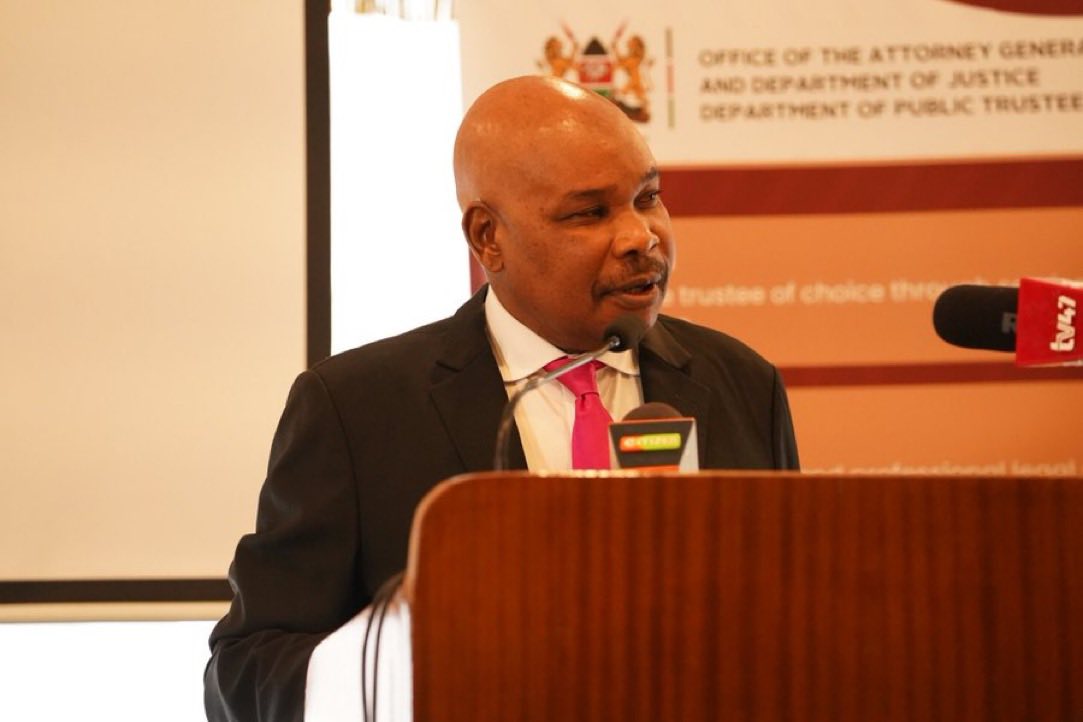
AS Kenya pushes to deepen grassroots wealth creation under the
Bottom-Up Economic Transformation Agenda, Cooperatives Principal Secretary
Patrick Kilemi has emerged as one of the government’s most vocal reform
advocates.
A trained economist and accountant with more than two decades of
experience in the oil and gas industry, Kilemi transitioned from multinational
firms, including ExxonMobil, ChevronTexaco, and TotalEnergies, to public
service shortly after President William Ruto took office.
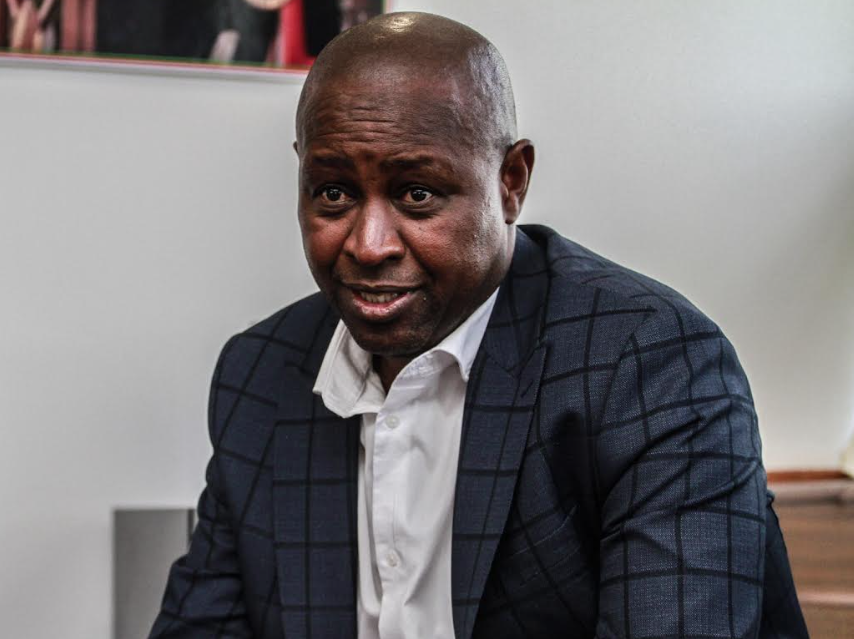
In an interview with The Star, Kilemi spoke about his
journey from the corporate world into government, the growing role of
cooperatives in Kenya’s economy, reforms in the coffee and dairy sectors,
proposed changes to Sacco laws, governance failures exposed by the KUSCCO saga,
and his vision for a Sh5 trillion cooperative movement.
Who is Patrick Kilemi and
how did your journey from the private sector into public service begin?
I trained as an economist and I hold two degrees in economics
from the University of Nairobi. I am also a qualified accountant, although I
never really practised as one.
I joined the oil industry in 2002 and was
fortunate to work for some of the world’s top companies. Those companies exposed
me to some of the best management practices globally.
By the time I was leaving
the industry, I was overseeing exports for Total across Eastern and Central
Africa, covering markets such as Congo, Rwanda and Uganda. I left Total and was
appointed Principal Secretary almost immediately after.
I had aligned myself
with the Bottom-Up Economic Transformation Agenda and spent time engaging
people at the grassroots on how it could work. I believe that visibility and a relationship with the President played a role in my appointment.
How did your private
sector experience shape your leadership style in government?
In the private sector, you have clear deliverables, strict
timelines and measurable performance systems. In public service, you must carry
people along and there are constitutional safeguards and bureaucracy. At first, the bureaucracy surprised me. But I later understood
that these processes exist to protect public interest and ensure decisions
benefit the majority.
The biggest value I brought from the private sector is
accountability. I always ask myself: What impact did I make today? I encourage
my staff to think the same way. I operate an open-door policy. I sign documents
the same day. I do not want people hanging around government offices
unnecessarily.
What surprised you most
when you entered the cooperatives sector?
I did not realise how massive the sector was. My knowledge of
cooperatives was limited to being a member of a Sacco in the private sector. When I came in, I discovered the cooperative movement is worth
more than Sh3 trillion.
I also realised cooperatives are central to the
Bottom-Up agenda because they aggregate people and resources. Most Kenyans own
small pieces of land. One farmer with one acre cannot do much alone. But when
1,000 farmers come together through a cooperative, they become an economic
force.
How important are
cooperatives to Kenya’s economy today?
Cooperatives are everywhere in the economy. They are central in
agriculture, dairy, coffee, tea, cotton, fisheries, mining, and even financial
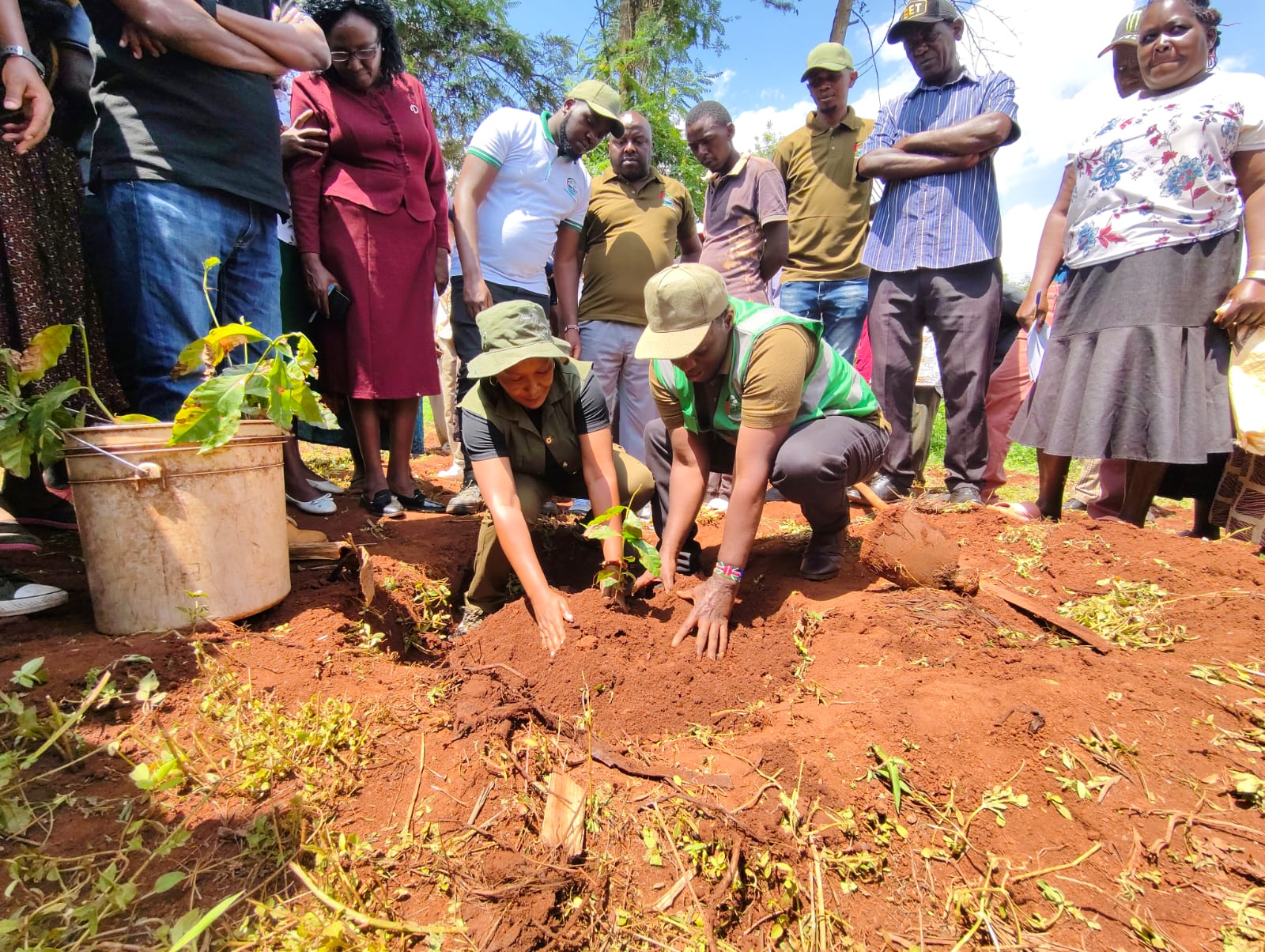
services. We are supporting 17 priority value chains. In coffee,
cooperatives manage factories and pulping stations.
In dairy, cooperatives own
milk coolers and processing infrastructure. In fisheries, we want to organise
fishermen into cooperatives to eliminate exploitation by middlemen. The
cooperative model allows ordinary Kenyans to aggregate production, access
markets, and negotiate better prices.
The government has
aggressively pushed coffee reforms. What progress has been made?
When we came in, national coffee production was around 30,000
metric tonnes. The President gave us a target of increasing that to 150,000
metric tonnes by 2028. We are pursuing both vertical and horizontal expansion.
Vertical growth means increasing productivity per bush. The
national average is about two kilogrammes per bush. We want to move that to 10
kilogrammes through proper agronomy and better farm management. Horizontal
growth means opening new frontiers. Counties such as Uasin Gishu, Nandi,
Kakamega, Homa Bay and parts of Migori are now embracing coffee farming. Today we have identified 35 coffee-growing counties.
What impact have the
reforms had on farmers’ earnings?
Previously, many farmers were earning as little as Sh40 per kilogramme.
Today, through the cherry advance system, farmers are guaranteed a minimum of
Sh80 per kilogramme. Some factories are paying much more.
Last season, one
factory in Kirinyaga paid farmers about Sh160 per kilogramme of cherry. The
reforms have also improved transparency. Farmers can now track their coffee,
know the quality delivered, monitor sales, and understand how much they are
entitled to.
You have also pushed
direct settlement systems for coffee farmers. Why is this important?
Historically, farmers delivered coffee without knowing when they
would be paid or how much they would receive. Cartels and opaque systems took
advantage of farmers. Today, under the direct settlement system managed through
the Nairobi Coffee Exchange, buyers must settle payments within five days. We
believe farmers deserve dignity.
If someone delivers coffee today, they should
not wait a whole year for payment. We are proposing a system where farmers are
paid monthly, similar to dairy farmers. The direct settlement system with the Cooperative Bank of Kenya has really made a difference, ensuring farmers get
their dues on time.
The dairy sector has also
seen changes. What stands out for you?
The President has been very firm on dairy reforms. Farmers are
now receiving more predictable payments. In Meru, for example, dairy
cooperatives distribute about Sh1.6 billion monthly to farmers.
That money
transforms rural economies. Farmers are earning around Sh50 per litre, and some
cooperatives are also paying annual bonuses. The next frontier is exports.
Africa imports a huge amount of dairy products and we want Kenya to become a
regional dairy powerhouse.
What opportunities do you
see under the African Continental Free Trade Area?
Huge opportunities exist for coffee, dairy, cotton, beef and
processed foods. We are now exporting coffee directly to the United States,
something that rarely happened before. Kenyan entrepreneurs are accessing
global markets directly instead of relying on middlemen abroad. There are also
strong opportunities in East and Central Africa and the Gulf region.
Kenya is considered a
cooperative powerhouse in Africa, but governance challenges persist. What
reforms are coming?
Our current cooperative law predates the 2010 Constitution. It
does not reflect devolution realities or modern governance expectations. We
have pushed a new cooperative law that has been under discussion for nearly 15
years. Parliament and the Senate are now finalising mediation. The proposed law
introduces stricter governance standards, accountability measures and term
limits for cooperative leaders.
Why are term limits
important?
Some cooperative leaders have stayed in office for 40 or 50
years. The movement has aged. Yet Kenya’s median age is about 19 years. Young
people and women are locked out of leadership because of entrenched cartels. We
are proposing term limits so that leadership becomes more democratic and new
ideas can emerge.
What penalties are
proposed for mismanagement and corruption?
The new law introduces much stronger accountability measures. If you mismanage or steal members’ funds, there will be clear
legal consequences, including prosecution, recovery of assets and possible jail
terms. We are working closely with agencies such as the Ethics and
Anti-Corruption Commission and investigative authorities.
The Sacco sector is also
undergoing reforms. What changes are proposed?
Saccos have mobilised deposits of about Sh1 trillion and issued
nearly the same amount in loans. But despite their success, we realised fintech
firms are growing much faster and we needed to modernise the sector. The
proposed Sacco reforms include four major areas. First, we want a deposit
guarantee fund so that Sacco members enjoy protection similar to bank
depositors.
Second, we are proposing a shared digital infrastructure so
smaller Saccos can access modern technology affordably. Third, we want a
liquidity support framework for Saccos facing temporary financial stress. Fourth, we are introducing a fit-and-proper test for officials
so that individuals implicated in fraud cannot simply move from one Sacco to
another.
Are mergers likely in the
Sacco sector?
Yes, we are encouraging Saccos to rethink their business models.
In some institutions, you find multiple Saccos serving the same membership
base. Consolidation could reduce costs and improve efficiency. Technology also
means members no longer need to physically visit branches, making larger
consolidated Saccos more practical.
Where does the KUSCCO
crisis stand today?
The truth is KUSCCO is technically insolvent. Unfortunately, we lost members’ money and the DCI has concluded investigations into
several cases. Some prosecutions are already ongoing. We estimate that recoverable
assets are far below the liabilities. The KUSCCO crisis has reinforced the
urgency of governance reforms and stronger oversight mechanisms.
What motivates you
personally?
I live for impact. I constantly ask myself whether I have made
people’s lives better.I am also guided by my Methodist faith and the philosophy
of service.
What legacy do you want
to leave behind?
I want to be remembered as the most effective and courageous
Cooperatives Principal Secretary. I want to be remembered as someone who took
bold decisions, including the difficult decisions others avoided, to transform
the cooperative movement and improve the lives of ordinary Kenyans.






![[PHOTOS] The new Ngong –Naivasha Road viaduct](https://cdn.radioafrica.digital/image/2026/06/64d4f771-4432-4aee-ba3c-2f304c4436ec.jpg)