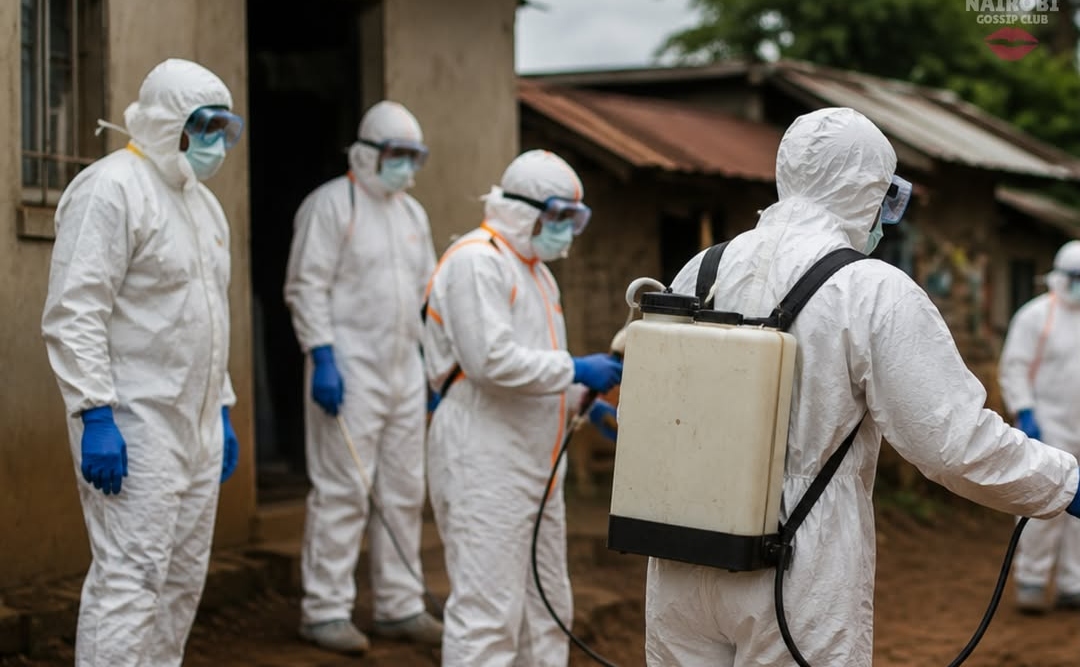

Kenya has confirmed that all suspected Ebola cases detected through its enhanced surveillance system have tested negative, even as the country intensifies border screening and emergency preparedness following a regional outbreak in neighbouring countries.
Health Cabinet Secretary Aden Duale said Friday, May 22, that the government has stepped up monitoring at all points of entry but reassured the public that no confirmed infections have been recorded.
“I wish to reassure Kenyans that as of 21st May 2026, Kenya has not reported any confirmed case of Ebola Virus Disease,” Duale said.
He revealed that three individuals who had recently travelled from the Democratic Republic of Congo and presented with symptoms similar to other illnesses were isolated, tested and cleared after laboratory analysis confirmed they were Ebola-negative.
“Three travellers were isolated and tested for Ebola Virus Disease, and all results returned negative. Four contacts who accompanied them were also tested and found negative,” he said.
The Ministry of Health noted that surveillance has been significantly scaled up at airports, land borders and other high-risk entry points, where thousands of travellers continue to be screened daily.
“As of 21 May 2026, a total of 42,447 travellers had been screened, including 2,965 within the last 24 hours alone,” the ministry said.
Authorities noted that Kenya is relying on risk-based screening rather than blanket quarantine measures, allowing the movement of travellers while maintaining strict monitoring protocols.
“We are not imposing a blanket quarantine for travellers or truck drivers. Instead, we are applying targeted screening and continuous monitoring in line with international health regulations,” Duale said.
The government has also activated national emergency systems, including the Incident Management System and Public Health Emergency Operations Centres, to coordinate preparedness efforts across counties and partner agencies.
“We have placed rapid response teams on standby and strengthened coordination with WHO, Africa CDC and county governments to ensure any suspected case is managed immediately,” he added.
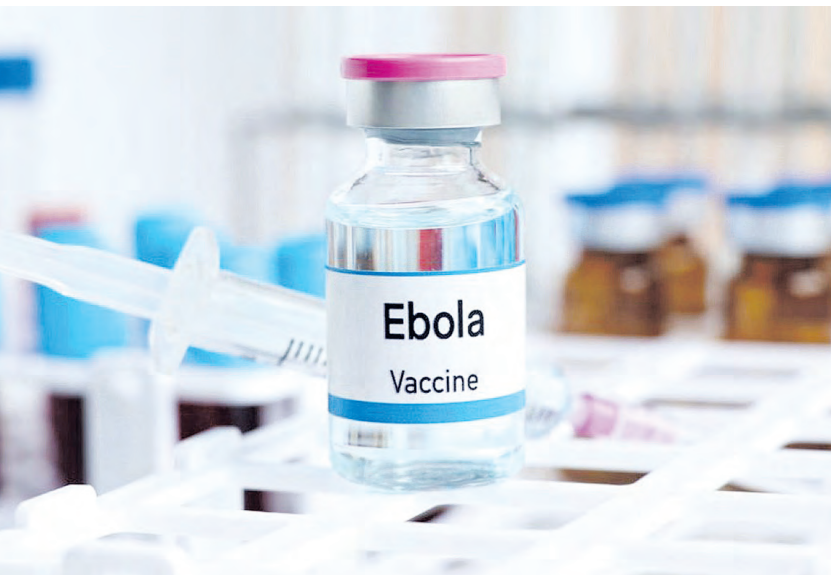
Laboratory capacity has also been reinforced, with four designated facilities, including KEMRI laboratories in Nairobi and Kisumu, the National Public Health Laboratory, and a mobile testing unit ready for rapid deployment.
The Ministry of Health said all test results so far from suspected cases have been negative, reinforcing confidence in Kenya’s preparedness systems.
“We continue to test all suspected cases swiftly, and so far, all results have been negative. This shows our systems are working effectively,” the ministry said.
Duale added they have identified 22 high-risk counties and deployed trained rapid response teams while sensitising more than 880 healthcare workers on Ebola detection and response protocols.
Public health authorities have urged Kenyans to remain calm but vigilant, especially in border regions, while continuing to observe hygiene practices and report any suspected symptoms early.
“Members of the public should remain alert but not panic. Early reporting and rapid response remain our strongest defence,” Duale said.
The ministry reiterated that Kenya remains safe and open for travel, business and tourism, but advised against non-essential travel to affected areas until the outbreak in the region is fully contained.

![[PHOTOS] The new Ngong –Naivasha Road viaduct](https://cdn.radioafrica.digital/image/2026/06/64d4f771-4432-4aee-ba3c-2f304c4436ec.jpg)








![[PHOTOS] 'Mr Speaker Sir' Gen Z protester in court](https://cdn.radioafrica.digital/image/2026/06/b3e62d8e-25c3-4780-90f9-4eb48b1ce8a7.jpg)