Transport stakeholders, opposition leaders and some lawmakers argue that reducing the levy could significantly bring down pump prices and ease pressure on households already grappling with a high cost of living.
But as pressure mounts on the government to slash fuel costs following last week’s nationwide transport strike, economic and fiscal realities are complicating calls to tamper with the levy.
The government currently charges a Road Maintenance Levy of Sh25 per litre on petrol and diesel to finance maintenance, rehabilitation and repair of the country’s road network.
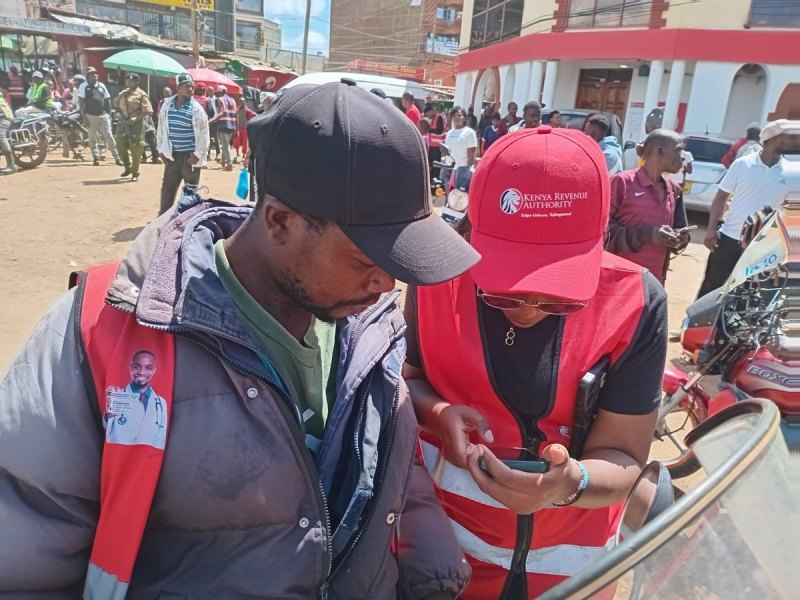
Collected at fuel stations by the Kenya Revenue Authority, the money is deposited into the Road Maintenance Levy Fund (RMLF) and managed by the Kenya Roads Board.
The board subsequently allocates the funds to the Kenya National Highways Authority for national highways, Kenya Urban Roads Authority for urban roads and Kenya Rural Roads Authority for rural road maintenance.
The levy finances routine road maintenance including pothole patching, drainage clearance and vegetation control without putting additional strain on the national budget.
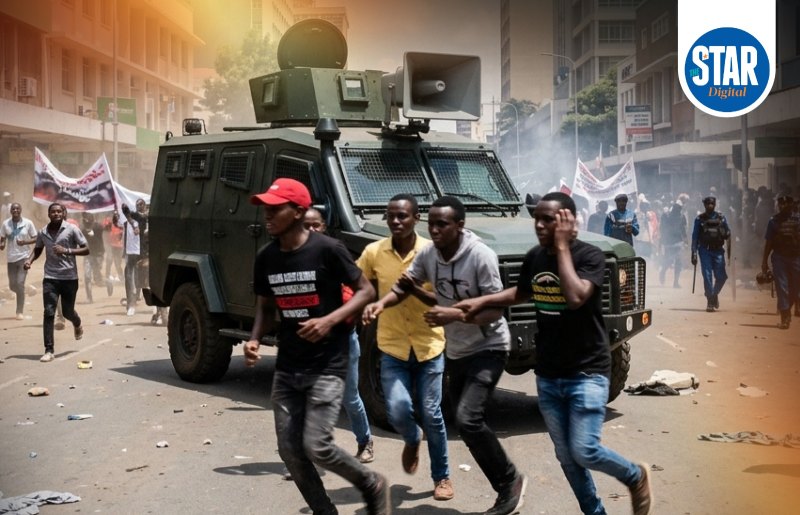
The debate over the levy intensified after sharp fuel price increases triggered nationwide protests and a two-day transport shutdown organised by the Transport Sector Alliance.
The strike followed the May 14 fuel review by the Energy and Petroleum Regulatory Authority (Epra), which raised the price of Super Petrol by Sh16.65 per litre and Diesel by Sh46.29.
The increase pushed pump prices in Nairobi to Sh214.25 for Super Petrol and Sh242.92 for Diesel, sparking outrage among motorists and transport operators.
Matatus, online taxi operators, cargo transporters and motorcycle riders withdrew services, paralysing movement in major towns and cities and disrupting schools, businesses and supply chains.
The government later convened talks with transport stakeholders and announced a Sh10.06 reduction in diesel prices while increasing kerosene prices to minimise the risk of fuel adulteration.
However, transport operators initially rejected the concession, arguing it fell short of their demand for a Sh30 to Sh35 reduction.
A second round of negotiations on Tuesday eventually led to suspension of the strike for seven days to allow further dialogue.
Away from the negotiations, leaders including Siaya Governor James Orengo and Kiharu MP Ndindi Nyoro proposed reducing the fuel levy by Sh7 per litre through revocation of the 2024 levy order that raised the charge from Sh18 to Sh25.
The two leaders argue that reducing the levy, alongside other tax measures, could lower diesel prices by at least Sh54 per litre.
Parliament has since agreed to consider Nyoro’s legislative proposals through the Budget and Appropriations Committee and the Departmental Committee on Finance and National Planning.
But critics say the proposals overlook the complex financial obligations already tied to the levy.
Former Transport Principal Secretary Irungu Nyakera said those calling for a reduction in the Road Maintenance Levy were ignoring the fact that a significant portion of the levy has already been securitised.
"Those calling for a cut in the Road Maintenance Levy to lower fuel prices are missing the point," he said.
“The problem is not the levy itself, but the fact that almost 50 per cent of it has already been securitised.”
Before the 2024 increase, the Sh18 levy generated approximately Sh86 billion annually for maintenance of nearly 22,000 kilometres of paved roads.
Following the increase to Sh25 per litre, the government collected Sh119.662 billion from the levy during the 2024-25 financial year.
However, in April 2025, the government securitised part of the levy in two phases, using Sh7 from the Sh25 charge as collateral to raise Sh175 billion through bonds aimed at clearing pending bills for stalled road projects.
In November 2025, Cabinet approved securitisation of an additional Sh5 per litre to raise another Sh120 billion.
The move effectively committed Sh12 out of the Sh25 levy toward servicing the debts over a 10-year period from the date each tranche was issued.
For the next decade, road agencies will therefore only directly access Sh13 per litre for road maintenance.
Reducing the remaining Sh13 by another Sh7 as proposed by Nyoro and Orengo would leave the government with only Sh6 per litre for road maintenance.
“Fellow Kenyans, the levy is unlikely to come down because it has already been pledged away for a decade,” Nyakera said.
“So as the potholes get bigger, you either work harder, or steal harder, and buy yourself a bigger car.”
Deputy President Kithure Kindiki and Treasury CS John Mbadi have also ruled out removing the levy entirely.
Kindiki defended the government’s fuel interventions, noting that VAT on fuel had already been reduced from 16 per cent to eight per cent while diesel prices had been lowered by Sh10 per litre following negotiations with transport operators.
“The remaining portion of tax is essential for the construction of our road infrastructure and the maintenance of the roads to support the economy,” Kindiki said.
Mbadi similarly argued that fuel levies remain necessary to sustain roads and other public services, insisting that diesel had already been heavily subsidised.
He said Kenyans should brace for even tougher times unless the Iran crisis is ended soon.
“This is a world crisis and if we continue like this, it will be like Covid. It is a problem that only America and Iran have to solve. They must stop the war,” Mbadi said.
“If they do not stop the war, we will somehow have to live with some consequences.”
As pressure builds on the government to ease fuel costs, the growing debate over the levy is exposing the difficult balancing act between lowering living expenses and sustaining long-term infrastructure financing.

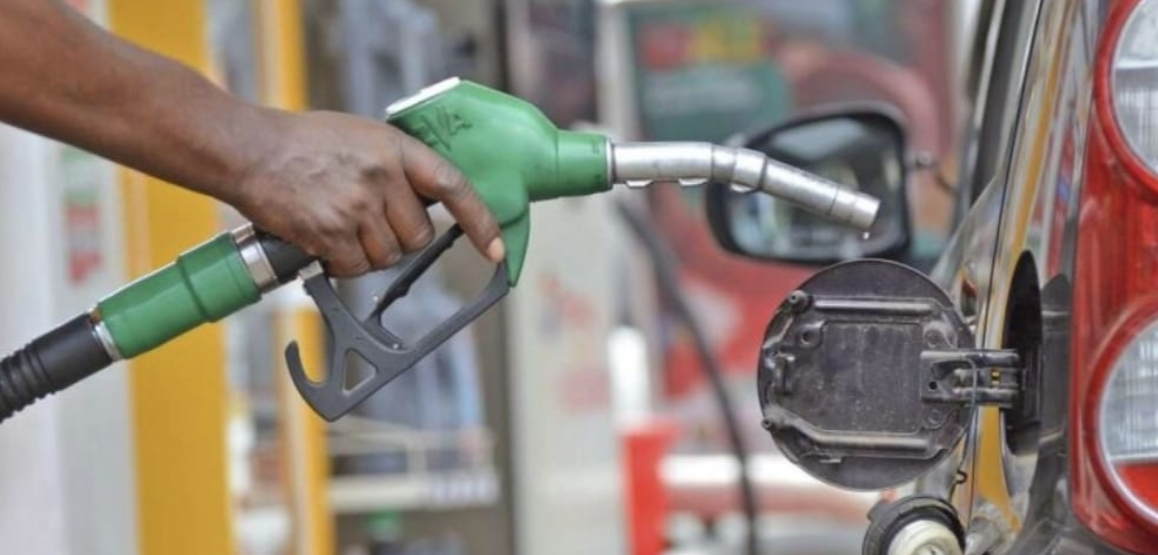 A pump attendant prepares to refuel a car /FILE


![[PHOTOS] The new Ngong –Naivasha Road viaduct](https://cdn.radioafrica.digital/image/2026/06/64d4f771-4432-4aee-ba3c-2f304c4436ec.jpg)



![[PHOTOS] 'Mr Speaker Sir' Gen Z protester in court](https://cdn.radioafrica.digital/image/2026/06/b3e62d8e-25c3-4780-90f9-4eb48b1ce8a7.jpg)