Uganda has confirmed two imported cases of the Bundibugyo strain of Ebola Virus Disease linked to the ongoing outbreak in the Democratic Republic of Congo (DRC), triggering heightened surveillance and emergency response measures across the country.
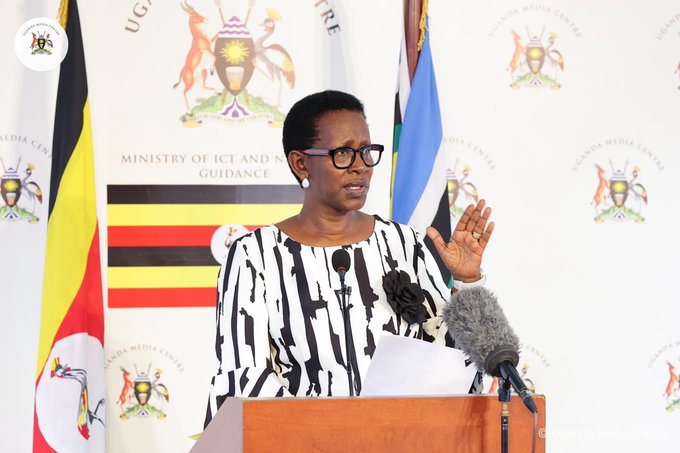
Uganda’s Permanent Secretary in the Ministry of Health Diana Atwine said one of the patients has died while the second patient is recovering after testing negative for Ebola on May 18 and May 20.
Speaking during a briefing at the Uganda Media Centre on Thursday, Atwine said authorities have already identified and placed 127 contacts under institutional quarantine as part of efforts to contain the disease.
She said the government had activated nationwide preparedness and response systems under the National Task Force chaired by the Vice President.
“Government has intensified sensitisation campaigns, strengthened screening and treatment capacities at border points and temporarily suspended selected cross-border transport activities between Uganda and the Democratic Republic of Congo,” Atwine said.
The Health Ministry also announced enhanced border patrols, temporary suspension of weekly markets in border sub-counties and restrictions on large public gatherings in high-risk areas near the DRC border.
Atwine however assured the public that schools would reopen as scheduled, although institutions would be required to strictly follow Ministry of Health standard operating procedures.
She urged Ugandans to remain calm, maintain hygiene measures and immediately report suspected Ebola symptoms to the nearest health facility.
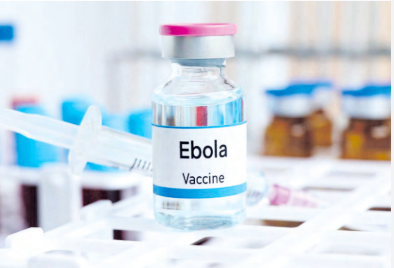
The latest development comes as the World Health Organization continues to warn about the growing outbreak in eastern DRC involving the rare Bundibugyo strain of the Ebola virus, for which there is currently no approved vaccine or specific treatment.
WHO has described the outbreak as a Public Health Emergency of International Concern following a rapid rise in suspected infections and cross-border spread.
According to WHO, DRC has reported more than 500 suspected Ebola cases and at least 130 suspected deaths, although only a fraction of the cases have so far been laboratory confirmed.
The outbreak has affected Ituri and North Kivu provinces, with confirmed infections reported in Bunia, Butembo and Goma.
WHO said the Bundibugyo strain has complicated response efforts because early symptoms including fever, fatigue, diarrhoea and vomiting closely resemble other common illnesses, delaying detection in many cases.
The agency has deployed health experts, testing kits and emergency medical supplies to affected regions while intensifying community awareness campaigns aimed at reducing transmission during funerals and within households.
The outbreak has also prompted international concern over global travel and cross-border transmission risks.
The United States government on Thursday introduced enhanced screening measures for travellers linked to Ebola-affected countries including DRC, Uganda and South Sudan.
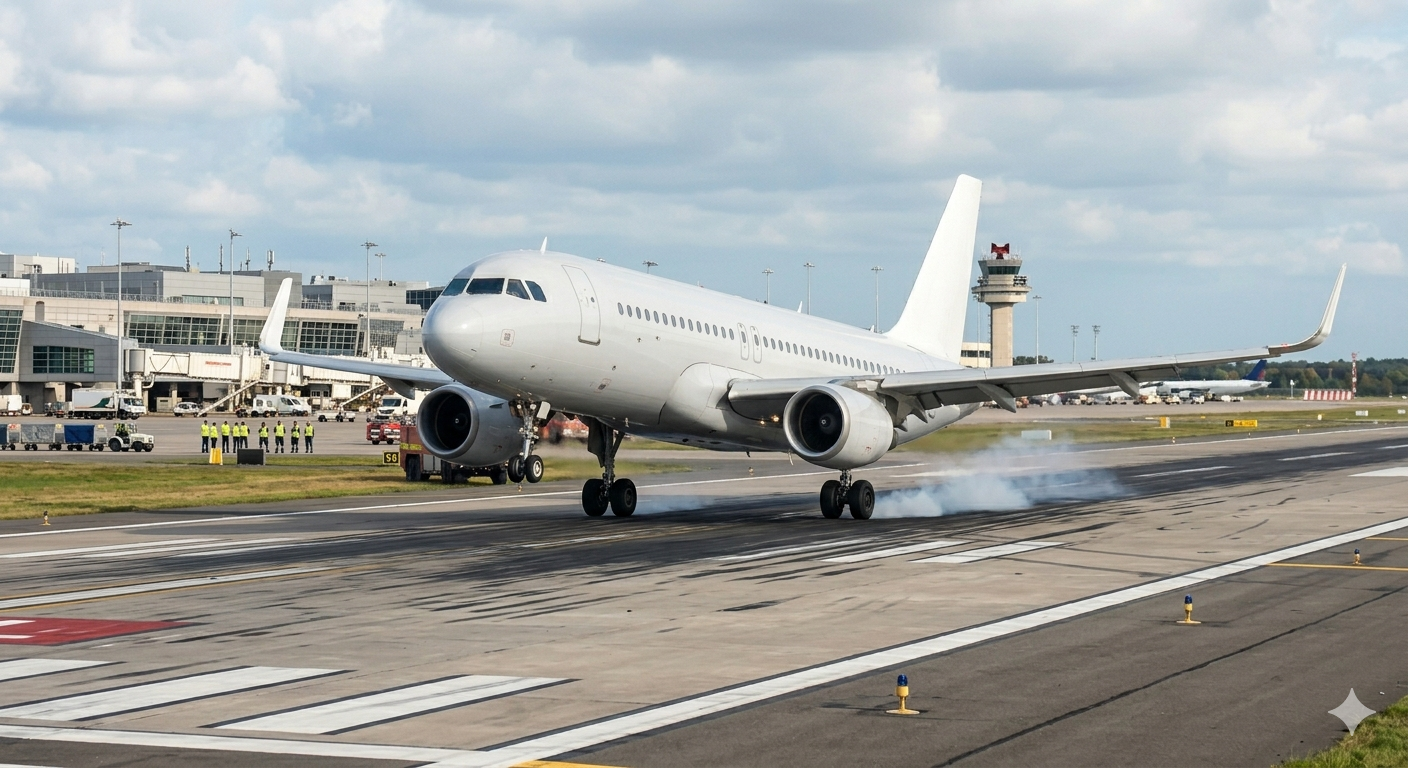
Under the directive issued jointly by the US Department of State, the Centers for Disease Control (CDC) and Prevention and the Department of Homeland Security, all US-bound travellers who have recently been in the affected countries must enter the United States through Washington Dulles International Airport for specialised health screening.
US authorities said the measures were aimed at strengthening early detection and preventing the possible spread of Ebola into the country.
The CDC warned that Ebola remains a severe and highly infectious disease spread through direct contact with bodily fluids including blood, vomit and other secretions.
Meanwhile, WHO has already airlifted nearly 11 tonnes of emergency medical supplies and protective equipment from Nairobi to support frontline response operations in the DRC as health workers race to contain the outbreak before it spreads further across the region.
![[PHOTOS] The new Ngong –Naivasha Road viaduct](https://cdn.radioafrica.digital/image/2026/06/64d4f771-4432-4aee-ba3c-2f304c4436ec.jpg)



![[PHOTOS] 'Mr Speaker Sir' Gen Z protester in court](https://cdn.radioafrica.digital/image/2026/06/b3e62d8e-25c3-4780-90f9-4eb48b1ce8a7.jpg)