Nairobi Governor Johnson Sakaja has emerged as a key
political troubleshooter for President William Ruto after revelations of the
crucial role he played in brokering a deal that ended the nationwide transport
strike.
The Star has established that the State House reached out to Sakaja
to help steer the talks after negotiations between the government and transport
operators collapsed dramatically on Monday evening.
President
Ruto was away on a State visit to Kazakhstan as the two-day disruption
threatened to escalate further, intensifying pressure on the government to find
a quick resolution.
Transport
operators who attended the talks said they welcomed Sakaja’s involvement,
arguing that his presence restored confidence in a process they felt was losing
credibility.
"In as much as we were on
strike, we are also suffering. We have loans which we are struggling to pay,”
an operator who attended the meeting said.
Most of those involved in the strike operate within Nairobi and
have been working closely with Sakaja’s administration on route allocation,
matatu stages, licensing and enforcement.
That existing relationship is said to have helped build trust
between the governor and the operators at a time when tensions with the
national government were escalating.
“We don’t trust the government. Let me just say so. That is why
we needed the governor there,” Matatu Owners Association president Albert
Karakacha said.
On Monday evening, talks convened by Energy CS Opiyo Wandayi and his Transport counterpart Davis Chirchir at Transcom House ended in chaos after matatu
operators publicly rejected the government’s proposals.
“With all due respect, we respect everyone here. We did not come
to set anybody up. We are law-abiding citizens, so there’s no deal. The strike
is still on,” East Africa Tour Guides and Drivers Association CEO Kennedy
Kaunda said.
In an embarrassing moment for the government, Kaunda openly
rejected claims that a deal had been reached to end the strike.
Sources familiar with the negotiations said it was after the collapse
of the talks that Sakaja was called into action by both sides in an attempt to
salvage the situation.
The operators insisted that Sakaja oversee and guarantee any
agreement reached between them and the government.
“That is why the governor is our guarantor, so that if the
government does not do their part, we go back to the streets,” Karakacha told
The Star.
President Ruto, who is currently overseas, is said to have
personally engaged the governor through phone calls as efforts intensified to
unlock the stalemate.
The Star established that Sakaja spent the entire night before
Tuesday in closed-door negotiations with transport stakeholders and senior
government officials to strike a compromise.
The talks also involved Interior CS Kipchumba Murkomen, Energy
CS Wandayi and Treasury CS John Mbadi.
Throughout the night, Sakaja reportedly kept President Ruto
updated on the progress of the negotiations.
Sources said the operators raised concerns over rising fuel
prices, declining earnings and pressure from banks over loan repayments for
their vehicles.
By Tuesday morning, after hours of negotiations, a deal had
finally been reached and the operators agreed to call off the strike.
During the announcement ending the paralysis, matatu
stakeholders publicly declared Sakaja as the guarantor of the agreement.
Sakaja also appealed to banks and financial institutions to ease
pressure on operators struggling with rising operational costs.
“To financial institutions, we are in very extraordinary times.
The crisis is global. Let’s not take it out on our people. People are
struggling, let’s not auction them. Let’s go back to work as we negotiate so
that we get a solution and address the issues at hand, as their guarantor in
this negotiation,” he said.
He noted that the strike had caused major disruptions across the
country, affecting transport, businesses, schools and the movement of farm produce.
“We know people are suffering. Children have not been able to go
to school, farm produce is stuck, the sick are stranded and businesses have
been closed. I want to assure you that we have found a way forward after
deliberations,” he added.
The governor’s intervention has now elevated his profile within
the Kenya Kwanza administration, with insiders describing him as one of Ruto’s
emerging political fixers ahead of the 2027 general election.
Political observers say Sakaja’s close ties with influential
business groups and matatu operators make him an important ally for the
President, particularly in Nairobi where urban political dynamics are expected
to shape the next election.
The matatu sector remains one of the most influential grassroots
networks in the city, with the ability to shape public opinion and political
mobilisation.
Sakaja’s role in ending the strike is now being viewed within
political circles as further evidence of his growing influence in President
Ruto’s political operations.
INSTANT ANALYSIS
Governor Johnson Sakaja’s intervention in resolving the
transport strike signals his growing political influence within President
William Ruto’s inner circle. By stepping into failed negotiations and securing
trust from matatu operators, Sakaja positioned himself as a bridge between the government
and grassroots players. The episode boosts his profile ahead of 2027 and
highlights the political weight of Nairobi’s transport sector in shaping public
opinion and urban electoral mobilisation.

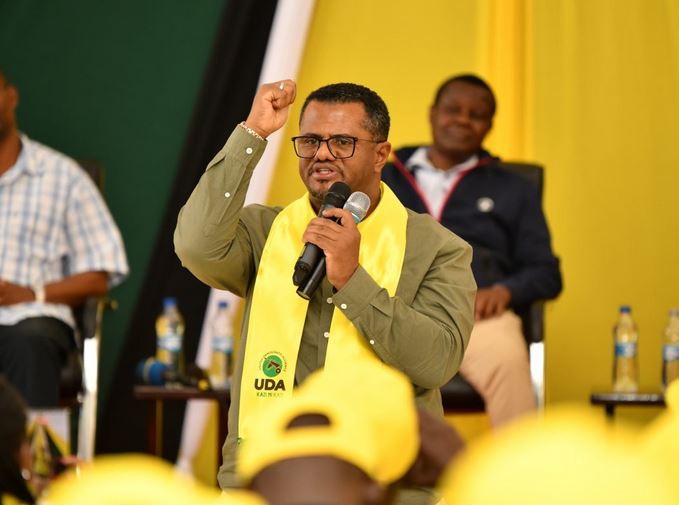
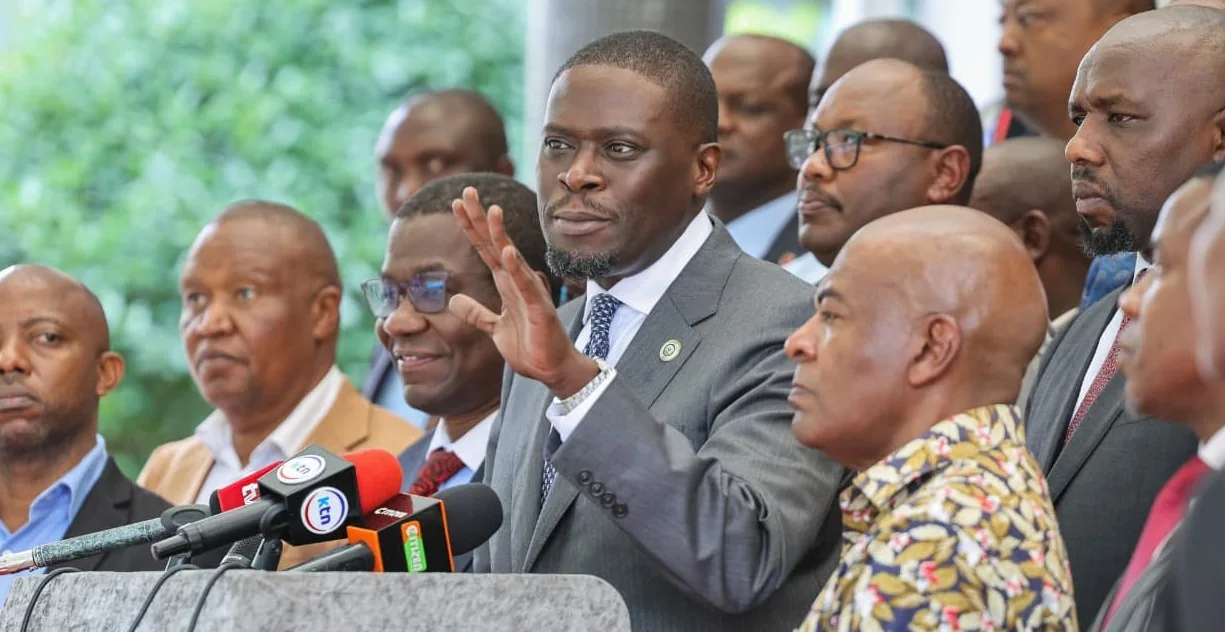 Nairobi Governor Jonson Sakaja, Energy CS Opiyo Wandayi and Interior CS Kipchumba Murkomen with matatu operators/HANDOUT


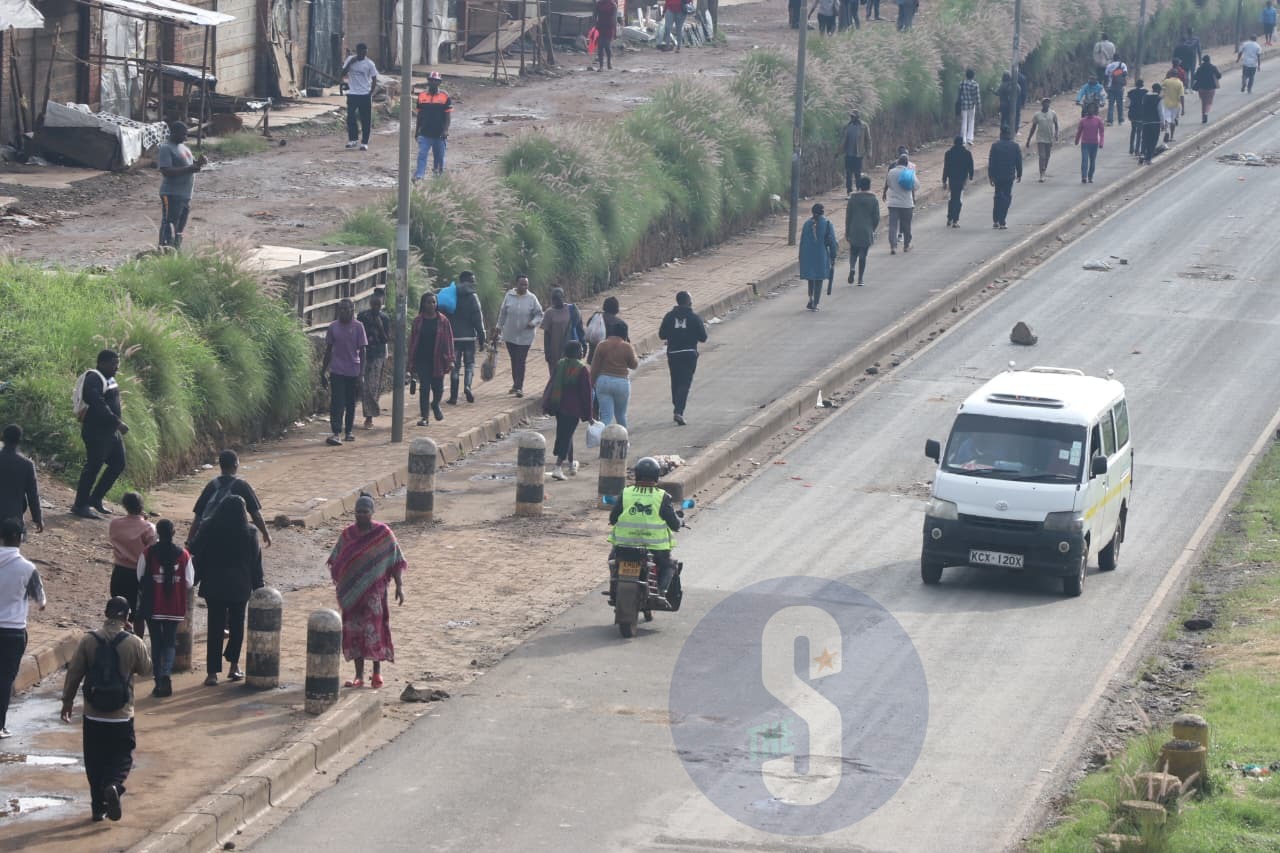
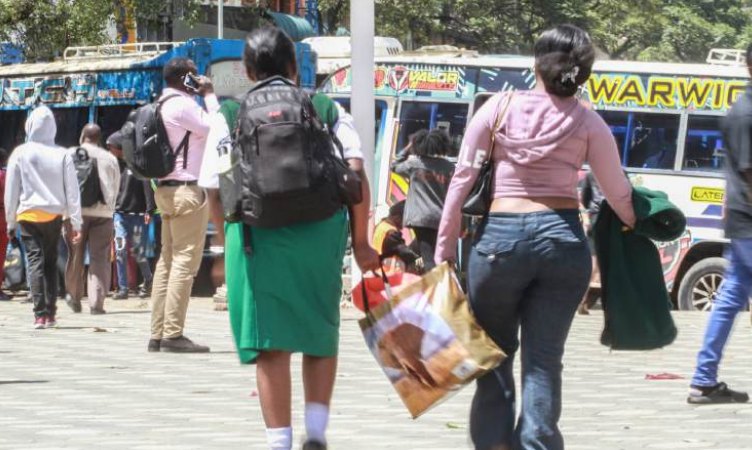
![[PHOTOS] The new Ngong –Naivasha Road viaduct](https://cdn.radioafrica.digital/image/2026/06/64d4f771-4432-4aee-ba3c-2f304c4436ec.jpg)



![[PHOTOS] 'Mr Speaker Sir' Gen Z protester in court](https://cdn.radioafrica.digital/image/2026/06/b3e62d8e-25c3-4780-90f9-4eb48b1ce8a7.jpg)