In an extensive interview with The Star, he addressed police reforms, election preparedness, the crackdown on political goons, urban crime, terrorism, and the matatu strike.
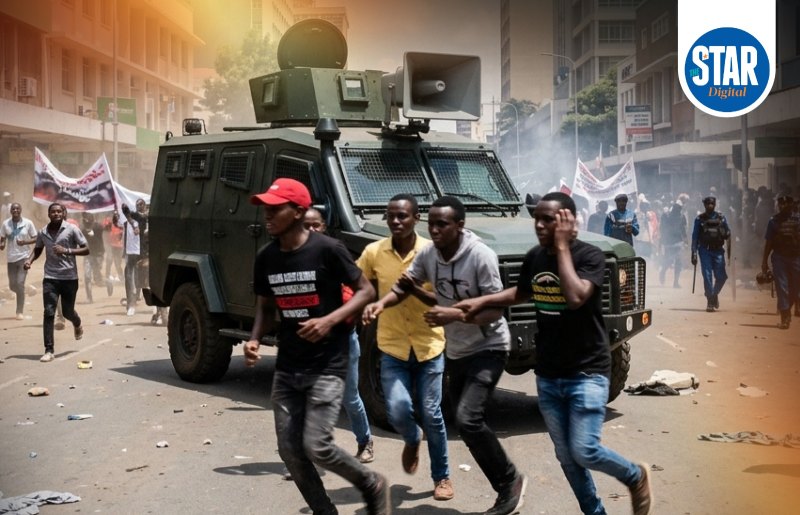
He defended the government’s response to the strike, saying the demos were infiltrated by violent criminals who torched vehicles and looted shops.
While the Constitution guarantees the right to protest, such actions must be peaceful and within the law and dismissed claims of police brutality, stating officers are trained to use force proportionate to the threat.
The ongoing reforms will transform the police service into a highly professional service-orientated institution.
On the 2027 polls, Omollo said the government is working closely with the IEBC to strengthen security planning, including hotspot mapping and early warning systems.
The planned recruitment of 10,000 officers will address gaps ahead of the polls.
Run-away urban crime will be dealt with via CCTV coverage, modernisation of equipment, and the establishment of the Nairobi Metropolitan Police. Excepts.
What can you say about the transport sector strike?
The strike that was called by matatu owners and transporters on Monday disrupted movement and affected many operations across the country. Unfortunately, criminal elements took advantage of the demonstrations by blocking roads, torching private vehicles, vandalising property and looting businesses.
At the same time, the strike created an opportunity for engagement between the government and stakeholders, particularly through the ministries of Energy and Transport, to address concerns raised by matatu operators. One of the key concerns is the rising cost of fuel, which is not only affecting Kenya but also countries across the world.
The fuel crisis is a global challenge. We are not the only country facing this problem. In fact, some countries in the region have already started rationing fuel. The question we should ask ourselves as a country is how best to respond to this challenge instead of resorting to riots, destruction and protests that may not solve the problem.
Kenya is not an oil-producing country. We rely heavily on imported fuel, and the ongoing tensions and war involving Iran have made the global situation more uncertain. This means that we must start thinking about long-term solutions.
Protests over fuel prices turned violent and led to deaths and injuries. Why does every protest seem to end in bloodshed?
The Constitution allows Kenyans to protest and go on strike, but it also provides safeguards and guidelines on how demonstrations should be conducted.
When people protest, they are expected to remain peaceful, unarmed and avoid interfering with those who are not participating in the demonstrations. Unfortunately, in many previous incidents, that has not been the case.
As security agencies, we continue to urge organisers to notify the police whenever they intend to hold protests. This allows officers to provide security both for the demonstrators and for members of the public who are not involved in the protests so they can continue with their normal activities.
What happened on Monday was unfortunate because we lost four people and around 30 others were injured. The police are expected to investigate those incidents and charge individuals involved in criminal activities.
Human rights activists and opposition politicians have accused police of using excessive force during protests.
Police officers are trained to apply force that is proportionate to the level of risk they face in a particular situation.
We expect officers to act within the law at all times. However, there may occasionally be isolated cases of excesses by individual officers. When that happens, there are internal disciplinary systems within the service that deal with such cases.
There are also independent oversight bodies that investigate complaints against police officers.
Looking at the recent protests, there have not been major reports of excessive force by police. That indicates that reforms within the service are beginning to produce positive results in the management of demonstrations and public order.
As the country prepares for the 2027 General Election, how ready are the police?
There is still a lot of work that needs to be done before the next elections.
Recently, we held a meeting with the leadership of the Independent Electoral and Boundaries Commission to discuss preparations and collaboration between the electoral body and security agencies.
The IEBC briefed us on what they have done since taking office and how we can work together to support the electoral process.
We are planning various programmes, including civic awareness campaigns and training, to ensure citizens understand their roles during elections.
Last year, the government recruited 10,000 police officers. This recruitment was partly aimed at addressing staffing shortages within the service and ensuring the country is adequately prepared to maintain law and order during the election period.
Inspector General Douglas Kanja recently told MPs that budget constraints could affect the recruitment of 15,000 more officers. Will this affect police preparedness?
When this administration came into office, there was a shortage of about 25,000 police officers.
The recruitment of 10,000 officers addressed around 40 per cent of that gap. Ideally, we would want to recruit the remaining 15,000 officers immediately, but this depends on the availability of resources and Parliament’s budgetary allocations.
We are optimistic that Parliament will consider the request favourably because there is a broad appreciation that the police service requires more personnel.
However, reforms are not just about numbers. We are also focusing on improving police welfare through better housing, medical insurance, mental wellness programmes and improved remuneration.
The final phase of salary increments for police officers will take effect on July 1 after Parliament and the Treasury allocate funds for it.
All these measures are intended to ensure that the police service remains effective, professional and motivated.
The police airwing has been facing challenges. In fact, IG says only three out of nine helicopters are operational. What is being done?
The government is currently implementing a police modernisation programme, and part of it involves improving police equipment and air support.
We expect that before the next elections, we will have made significant progress in addressing the gaps within the police air wing, even if we may not completely solve the problem immediately.
There has been controversy surrounding the delayed opening of the police hospital along Raila Odinga Road. When will it become operational?
The challenges that delayed operationalisation of the hospital have largely been resolved.
The facility was initially constructed by the military before being handed over to the police service. We have also been recruiting specialised personnel, including medical officers, into the service to support operations at the hospital. The Ministry of Health, under Cabinet Secretary Aden Duale, has also agreed to support the launch of the facility.
We expect the hospital to become operational in the new financial year.
The culture of political goonism appears to be growing ahead of the 2027 elections. What is the government doing about it?
Political goonism is not a new problem. It has existed for many years and extends beyond the current administration.
Many of the young people involved are unemployed or frustrated due to lack of opportunities. As a society, we must create opportunities and channel youthful energy positively.
Politicians should also stop using young people to intimidate rivals or advance political interests through violence.
Have security agencies identified potential electoral hotspots ahead of 2027?
During our recent meeting with the IEBC, one of the key areas we discussed was the establishment of an early warning system to identify hotspots before violence erupts.
Through the Jukwaa la Usalama forums conducted across the country, we identified several criminal gangs and areas of concern.
Violent clashes linked to boundary disputes continue to occur in areas such as Marsabit, Wajir, Isiolo and Kajiado. What is causing these conflicts?
Boundary disputes have existed for many years and unfortunately some of them have led to deaths and destruction.
Recently, we held meetings with leaders from Wajir and Marsabit counties to encourage peaceful dialogue and coexistence.
County boundaries should not become reasons for bloodshed.
At the same time, institutions responsible for boundary demarcation, especially the Senate, should fast-track the process of clearly defining county borders.
Many of these conflicts are linked to competition over resources and administrative units.
Urban crime remains a major concern, especially in Nairobi. What is the solution?
Urban crime is becoming increasingly complex due to rapid urbanisation and population growth.
Nairobi alone hosts between six and seven million people every day, creating unique security challenges.
When we came into office in 2023, cases of mugging were widespread, but we managed to reduce many of them. However, the threat still exists.
To improve security, we are establishing the Nairobi Metropolitan Police.
We are also expanding CCTV surveillance systems in Nairobi, Mombasa, Kisumu, Nakuru, Eldoret and Nyeri.
What progress has been made in tackling terrorism and banditry?
We have seen significant improvement in the fight against terrorism and banditry due to increased investment in security infrastructure, intelligence gathering and technology.
Security agencies are now working more closely together under a multi-agency framework.
Areas such as northern Kenya, the Coast region and the Boni enclave have experienced improved surveillance and response capabilities.
Regarding banditry, we recently dealt with an isolated incident along the Meru-Isiolo border and continue to monitor the situation closely.
There have been concerns about abductions and enforced disappearances. What is the government’s position?
Government policy does not allow security officers to abduct citizens. The law only allows officers to arrest suspects and present them before the court.
However, we have also witnessed cases of self-abductions where individuals disappear and later attempt to blame the government for political reasons.
Opposition politicians claim they are targeted by police during political activities. Is the government involved?
There is no government policy aimed at interfering with lawful political activities.
Whenever police officers intervene in a situation, it is usually because they believe there has been a breach of the law or a threat to public order.
What is the status of compensation for victims of protests and political violence?
Compensation is not new in Kenya. After the 2007-08 post-election violence, victims received support to help rebuild their lives.
The current process focuses on individuals affected by political unrest between 2017 and last year.
This initiative is part of the recommendations contained in the NADCO report.
Parliament has already allocated Sh2 billion for the compensation exercise, and relevant institutions, including th eHuman Rights Commission, are expected to oversee the process and ensure deserving victims are compensated.
INSTANT ANALYSIS
Omollo’s interview reflects a government
seeking to balance security enforcement with reform narratives ahead of the
2027 elections. While defending police actions during protests and rejecting
claims of brutality, he also leans heavily on institutional reform—recruitment,
welfare improvements and modernisation—to project a more professionalised
force. The emphasis on multi-agency coordination, surveillance expansion and
hotspot mapping signals heightened electoral securitisation. However,
persistent issues such as youth unemployment, political mobilisation of
“goons”, and resource-driven boundary conflicts point to deeper structural
challenges beyond policing. The proposed Sh2 billion compensation plan adds a
political and reconciliatory layer, but implementation will test state
credibility.

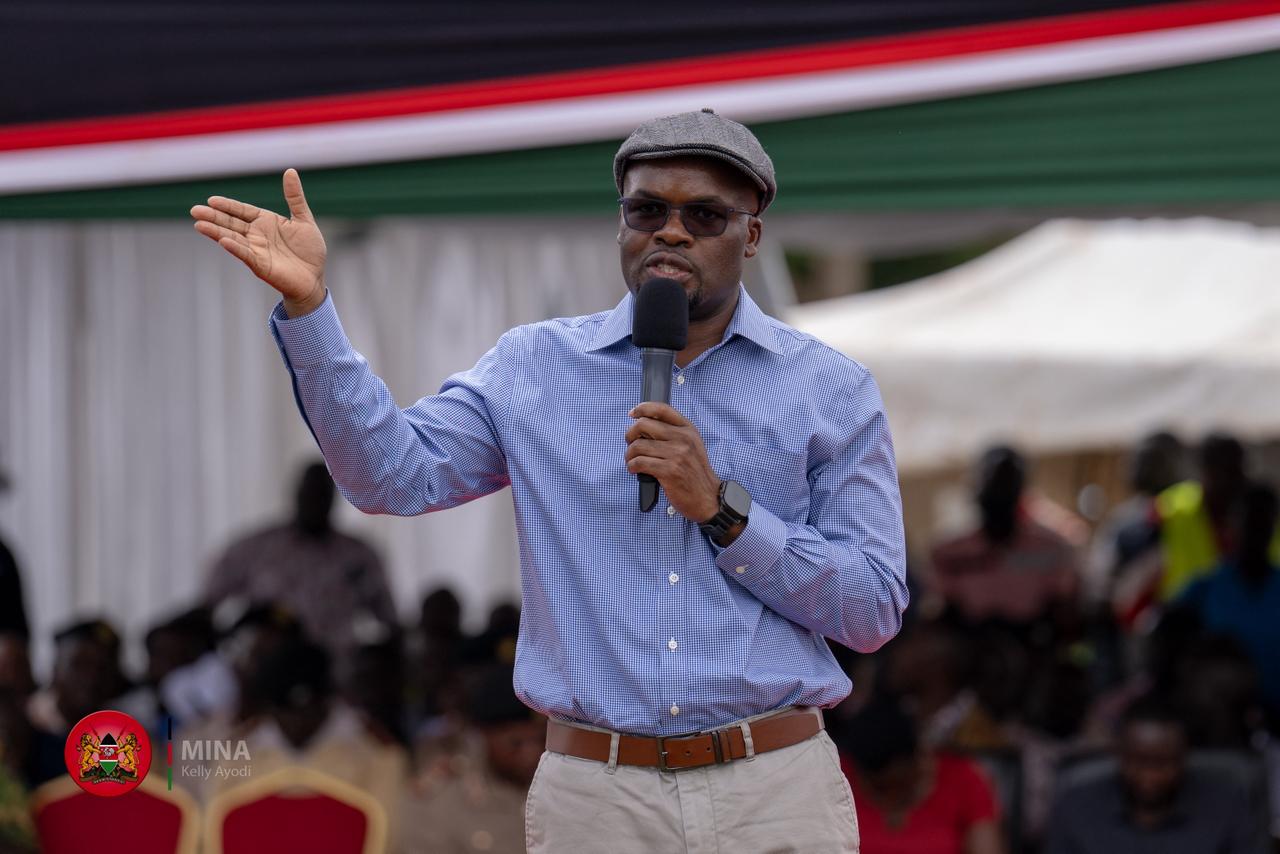
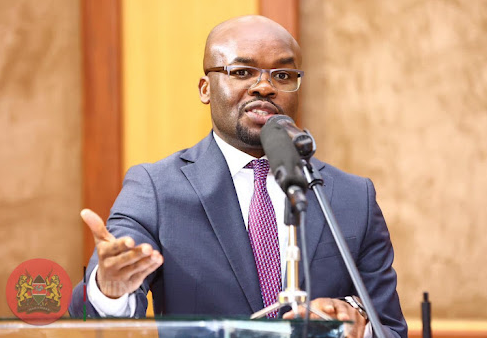
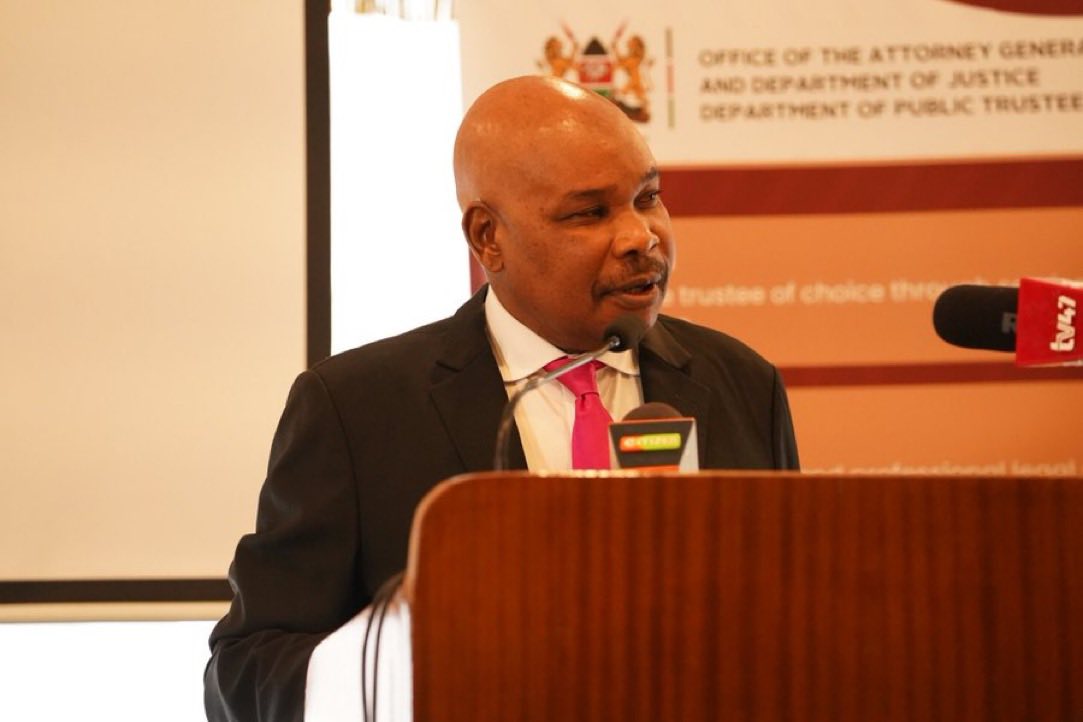
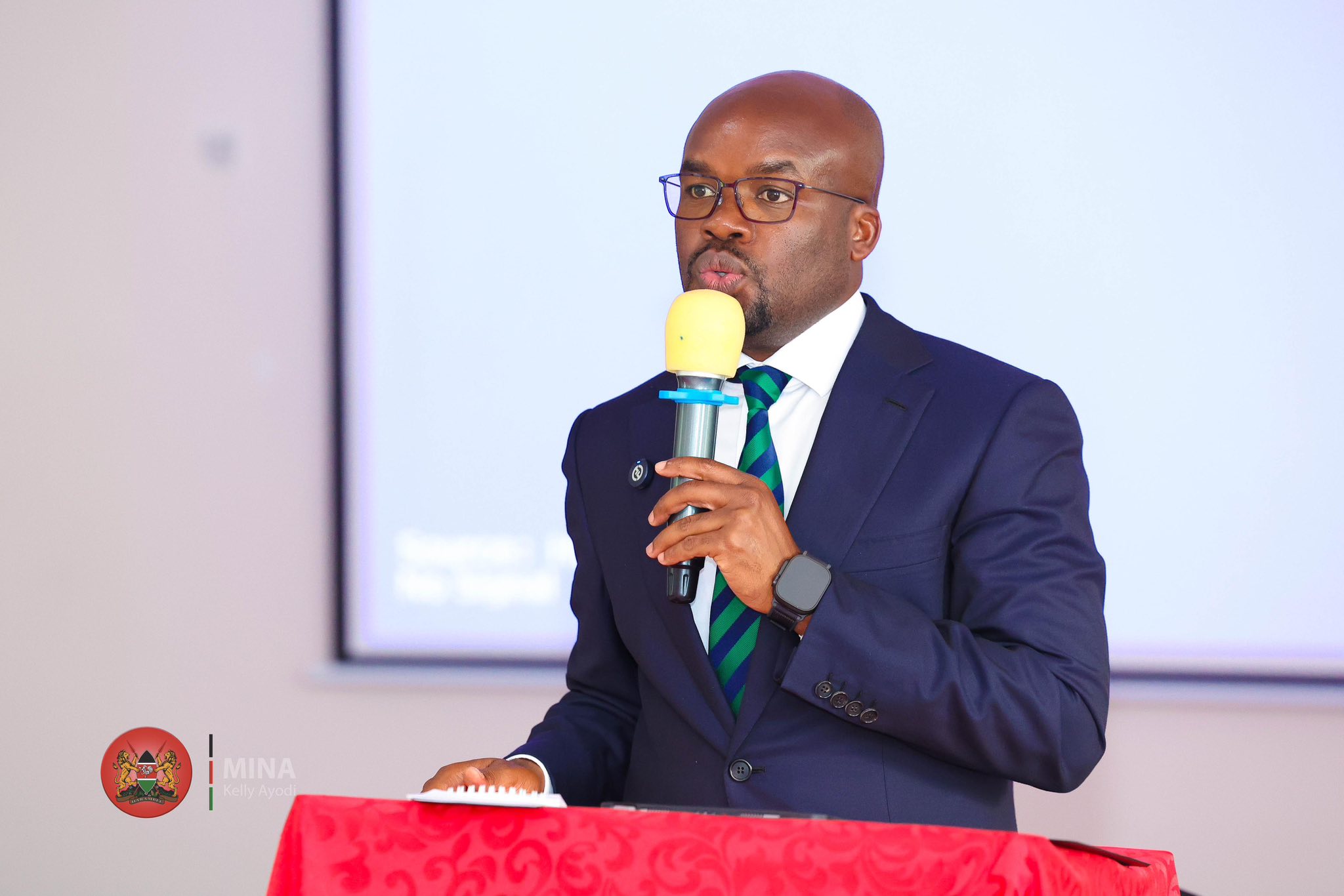 Interior PS Raymond Omollo/FILE


![[PHOTOS] The new Ngong –Naivasha Road viaduct](https://cdn.radioafrica.digital/image/2026/06/64d4f771-4432-4aee-ba3c-2f304c4436ec.jpg)



![[PHOTOS] 'Mr Speaker Sir' Gen Z protester in court](https://cdn.radioafrica.digital/image/2026/06/b3e62d8e-25c3-4780-90f9-4eb48b1ce8a7.jpg)