How fuel will retail in major towns
Super petrol remains unchanged in the new pricing cycle.
1mon agoPURITY WANGUINews
Proposals come as transport operators suspend their nationwide strike for a week to allow fresh negotiations.


Audio By Vocalize
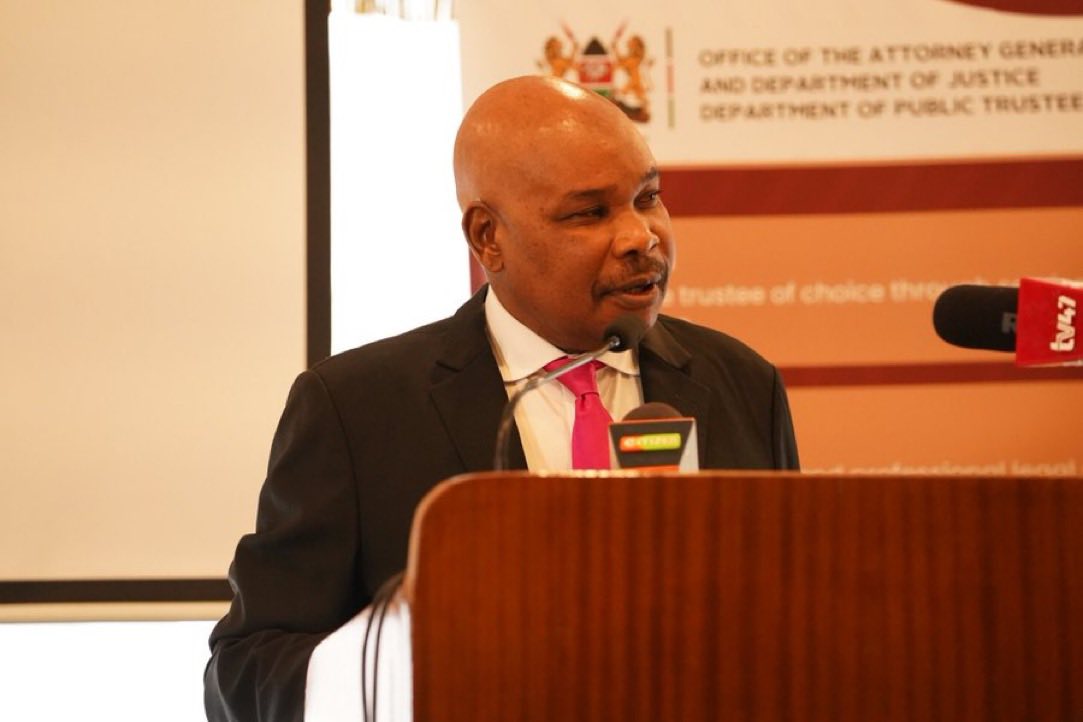
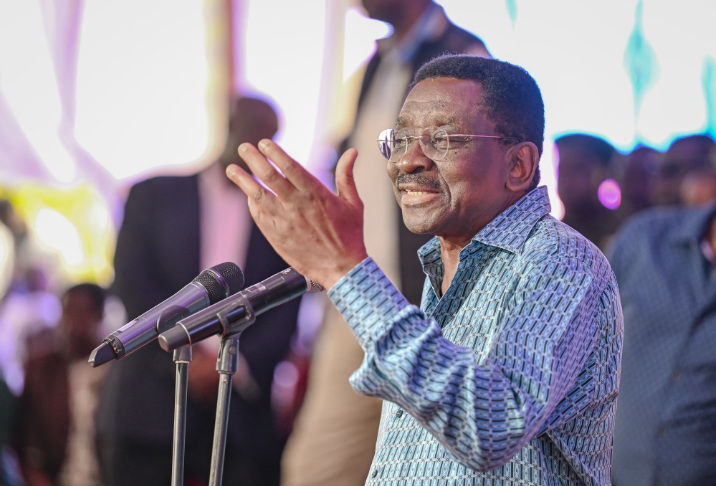 Siaya Governor James Orengo. /SIAYA GOVERNOR/X
Siaya Governor James Orengo has proposed a series of fiscal interventions he says could reduce diesel prices by up to Sh54 per litre, piling further pressure on the government to find a sustainable solution to Kenya’s worsening fuel crisis.
His proposals came just hours after transport stakeholders agreed to suspend the nationwide matatu strike for one week to pave way for further negotiations with the government over soaring fuel prices.
Although the temporary suspension may restore movement in the short term, broader concerns over fuel costs and the rising cost of living continue to place the government under intense pressure.
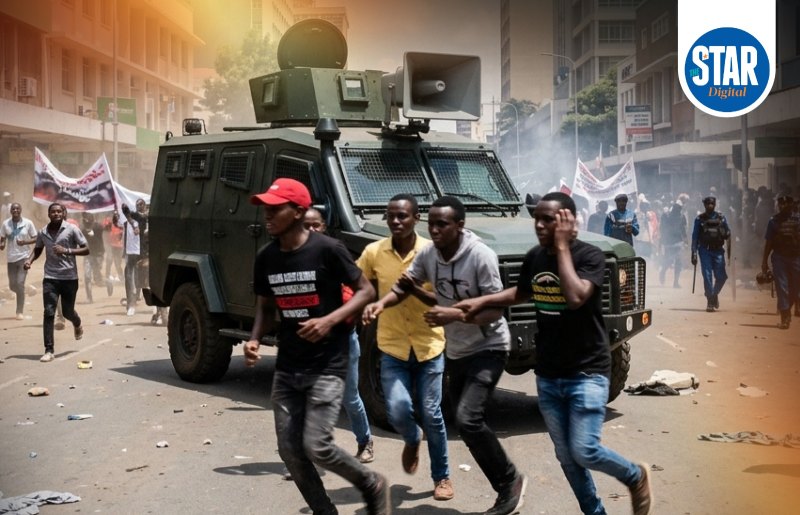
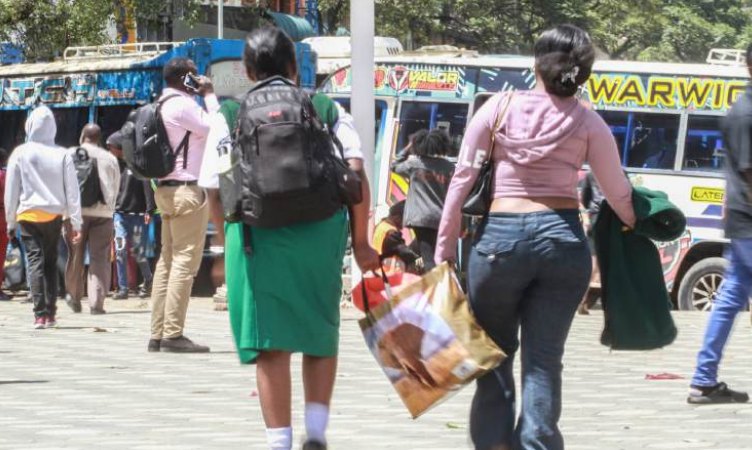
For two days, millions of commuters across the country endured transport paralysis marked by long walks to work, inflated fares and severe disruption of business activities after matatus and other transport operators stayed off the roads.
The strike was triggered by the May 14 fuel price review by the Energy and Petroleum Regulatory Authority (EPRA), which increased the price of Super Petrol by Sh16.65 per litre and Diesel by Sh46.29.
The adjustment pushed the price of Super Petrol in Nairobi to Sh214.25 per litre while Diesel rose to Sh242.92, sparking outrage among motorists, transport operators and consumers.
The shutdown, organised by the Transport Sector Alliance, paralysed movement in major towns and cities as matatus, online taxi operators, cargo transporters and motorcycle riders joined the demonstrations.
Government efforts to contain the crisis initially failed after a proposed Sh10.06 reduction in diesel prices was rejected by transport operators, who insisted they wanted a reduction of between Sh30 and Sh35 per litre.
However, following fresh consultations on Tuesday after dramatic exchanges during Monday’s negotiations at Transcom House, operators agreed to suspend the strike for a week to allow room for dialogue.
In a statement issued after the suspension, Orengo argued that the government still had room to implement deeper economic interventions capable of substantially lowering fuel prices and easing pressure on households and businesses.
“The national government must move with speed to implement strategic fiscal interventions to lower the cost of living,” Orengo said.
“To immediately ease the burden on struggling households, we propose a direct Sh54 reduction in diesel prices through the following matrix.”
According to the governor, one of the immediate measures should be the temporary removal of VAT on diesel.
The government had earlier reduced VAT on fuel from 16 per cent to eight per cent as part of efforts to cushion consumers, but the intervention failed to significantly lower pump prices following the latest increases.
Orengo also proposed reducing the Road Maintenance Levy by Sh7 to restore it to the 2024 rate of Sh18 per litre for both Super Petrol and Diesel.
The Sh25 per litre levy has increasingly come under criticism from motorists and transport operators who argue it significantly contributes to the high cost of fuel.
Treasury CS John Mbadi, however, defended the levy on Monday, warning that removing it entirely would cripple road maintenance programmes and leave motorists driving on deteriorating infrastructure.
Beyond taxes and levies, Orengo proposed reducing importer and marketer margins by Sh4.
Currently, EPRA caps operating margins for oil marketing companies at Sh17.39 per litre for Super Petrol and Sh17.31 for Diesel.
The governor further argued that the government should redirect the existing Sh5 billion fuel subsidy exclusively toward diesel instead of spreading it across other petroleum products, including kerosene.
His remarks added to the growing national debate over how fuel subsidies are being managed and whether the government’s interventions are sufficient to shield Kenyans from rising global oil prices.
The government has consistently blamed the crisis on global instability arising from the conflict involving the US, Israel and Iran, saying the war has sharply increased fuel costs, freight charges, insurance and logistics worldwide.
Deputy President Kithure Kindiki earlier defended the government’s response, saying Sh12 billion had already been used to cushion consumers over the past two months and warning that taxes collected from fuel remain essential for funding roads, education and social services.
But critics maintain that ordinary Kenyans continue bearing the full weight of the crisis through expensive transport, rising food prices and shrinking household budgets.
Beyond fuel costs, Orengo also raised concern over Kenya’s mounting debt burden, warning that the country’s growing obligations threaten long-term economic stability.
According to the governor, Kenya’s public debt stood at Sh12.84 trillion as of February 2026.
“This pushes the country's debt-to-GDP ratio to an alarming 69.5 per cent, dangerously closing the gap towards the 73.4 per cent historic peak seen in 2023. This trajectory poses a severe threat to national macroeconomic stability,” he said.
The governor also addressed the violent scenes witnessed during Monday’s protests, in which at least four people died during clashes between demonstrators and police.
He urged the Independent Policing Oversight Authority to expedite investigations into the deaths and prosecute any officers found culpable.
While calling on protesters to exercise restraint and avoid criminal activity, Orengo condemned excessive force by police during crowd control operations.
“These actions severely undermine the rule of law and erode public trust in law enforcement,” he said.
Even with the temporary suspension of the strike, the fuel crisis continues to expose the difficult balancing act facing the government as it struggles to contain public anger, protect strained public finances and stabilise an economy increasingly weighed down by high living costs.
Super petrol remains unchanged in the new pricing cycle.
![[PHOTOS] The new Ngong –Naivasha Road viaduct](https://cdn.radioafrica.digital/image/2026/06/64d4f771-4432-4aee-ba3c-2f304c4436ec.jpg)







![[PHOTOS] 'Mr Speaker Sir' Gen Z protester in court](https://cdn.radioafrica.digital/image/2026/06/b3e62d8e-25c3-4780-90f9-4eb48b1ce8a7.jpg)