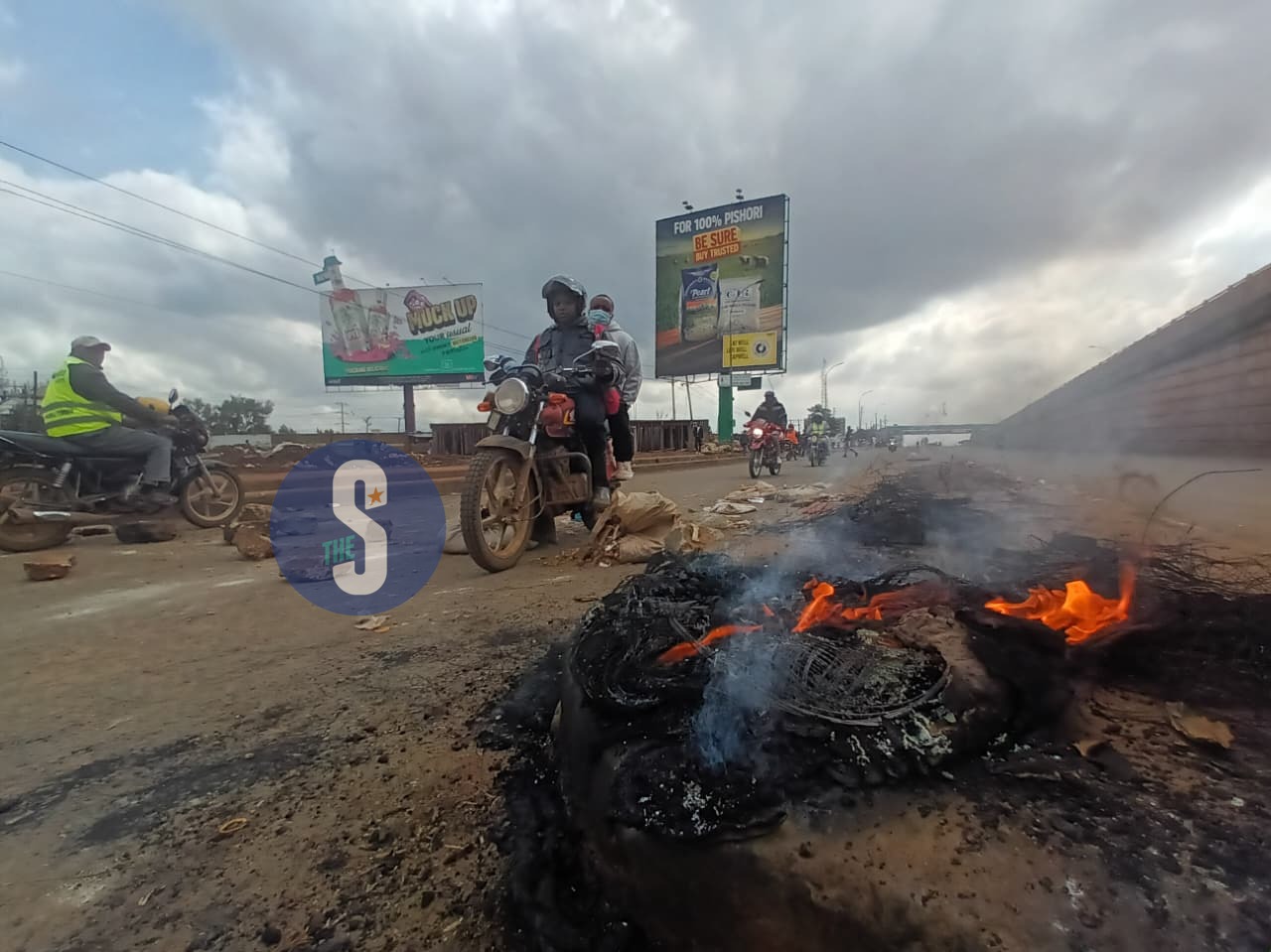
 A boda boda rider passes near a bonfire in Githurai as matatu protests over high fuel prices escalated on Monday, May 18, 2026. /VICTOR IMBOTO
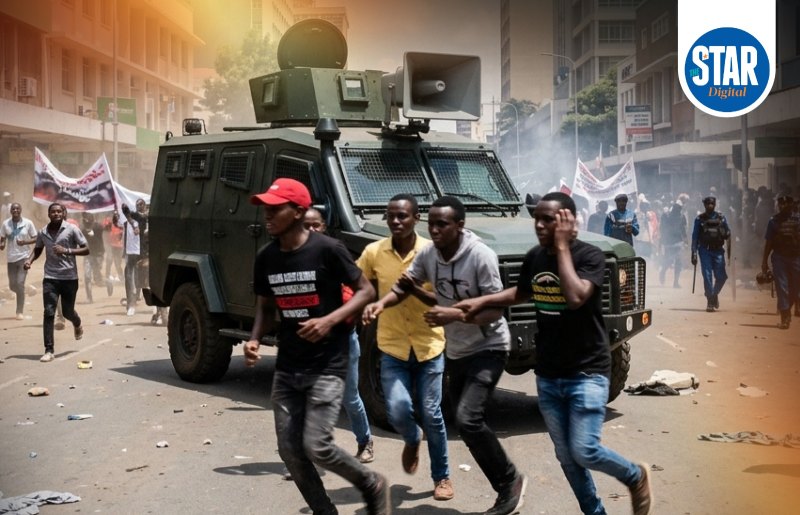
Police on Monday deployed aerial surveillance over Thika Road and the Githurai area after the nationwide matatu protest over high fuel prices turned violent.
Pockets of unrest were reported along the busy highway, particularly around Githurai 45 and the neighbouring Roysambu area, with reports indicating that a car was torched during the chaos.
Youthful protesters barricaded roads with stones and lit bonfires, forcing motorists to turn back or seek alternative routes to their destinations.
At around noon, a helicopter was seen hovering over sections of the highway where most of the unrest had been reported as matatu operators maintained their resolve to paralyse transport services in protest against high fuel prices.
The operators said it had become increasingly difficult to sustain operations even after increasing fares, questioning why fuel prices in landlocked countries such as Ethiopia remained relatively lower despite their fuel imports passing through Kenya’s Port of Mombasa.
“Kenya should not continue paying some of the highest fuel prices in the region while countries such as Ethiopia, despite being landlocked, maintain significantly lower pump prices,” the Transport Sector Alliance, which called the strike, said.
The operators argued that comparisons with neighbouring East African countries were misleading because some states had adjusted their fuel prices upward by benchmarking against Kenya.
Private motorists also joined calls for Kenyans to keep vehicles off the roads in solidarity with public transport operators.
The transport paralysis forced many Kenyans across the country to trek to work on Monday morning, while some businesses delayed opening as workers struggled to access transport.
Even as police maintained that the majority of transport stakeholders had not joined the strike, widespread disruption was witnessed across the country, reviving memories of previous transport demonstrations that resulted in clashes and injuries in several urban centres.
The National Police Service heightened deployment in key transport corridors and business districts, warning that any disruptive conduct would be dealt with firmly and in accordance with the law.
The strike, bringing together passenger transport operators, cargo and logistics firms, ride-hailing services and motorcycle transport operators, followed the latest fuel price review announced by the Energy and Petroleum Regulatory Authority (EPRA) on May 14.
Under the new review, the price of Super Petrol increased by Sh16.65 per litre while Diesel rose by Sh46.29 per litre. Kerosene prices remained unchanged.
Following the adjustments, Super Petrol in Nairobi now retails at Sh214.25 per litre, Diesel at Sh242.92 and Kerosene at Sh152.78 until June 14.
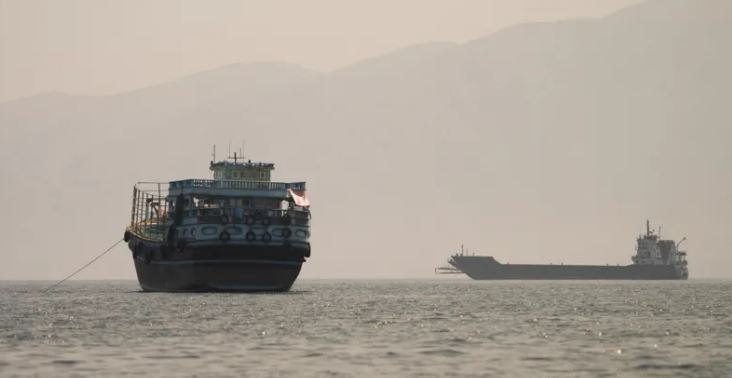
The government blamed the high fuel prices on the ongoing crisis in the Middle East, saying it had driven up insurance premiums and increased the landing cost of petroleum products.
“The only way to lower the landing costs is for the US and Iran to end the war,” National Treasury Cabinet Secretary John Mbadi said during an interview on Monday.
![[PHOTOS] The new Ngong –Naivasha Road viaduct](https://cdn.radioafrica.digital/image/2026/06/64d4f771-4432-4aee-ba3c-2f304c4436ec.jpg)






![[PHOTOS] 'Mr Speaker Sir' Gen Z protester in court](https://cdn.radioafrica.digital/image/2026/06/b3e62d8e-25c3-4780-90f9-4eb48b1ce8a7.jpg)