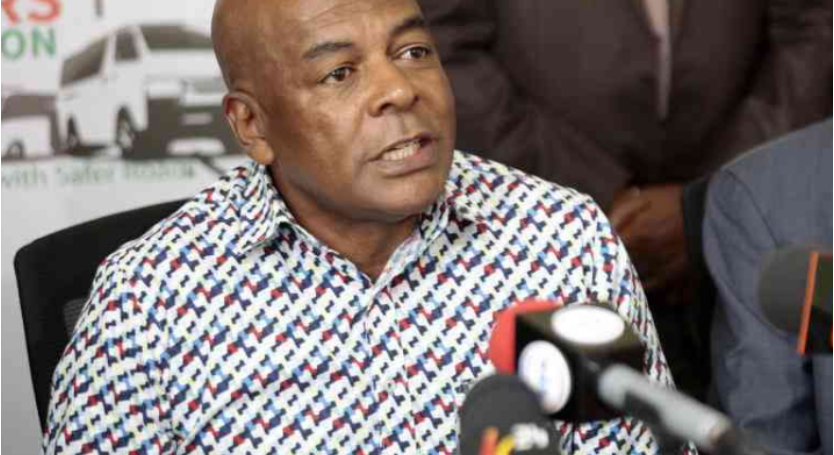
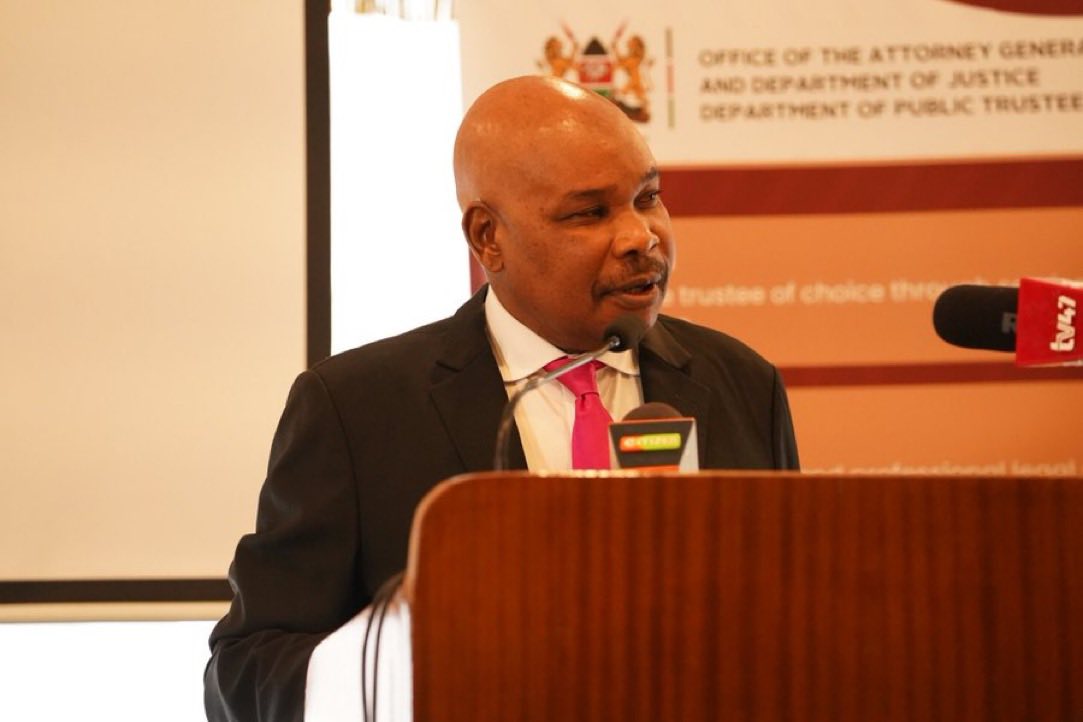
Matatu Owners Association chairman Albert Karakacha /HANDOUT
The Matatu Owners Association has claimed that the public transport sector has already suffered losses exceeding Sh500 million due to the ongoing nationwide protests.
Chairman Albert Karakacha said operators are prepared to continue the strike until the government cedes ground and lowers fuel prices.
Karakacha said matatu operators across the country are struggling to cope with the sharp increase in fuel costs, which he described as unsustainable for both operators and ordinary Kenyans.
He said the sector has been forced into drastic measures after recent fuel price adjustments pushed diesel and petrol prices to record highs.
The chairman claimed the government has failed to cushion transport operators despite repeated appeals for dialogue and intervention.
“We have already lost more than Ksh 500 million as a sector, and we are ready to continue bearing those losses until the government addresses the issue of high fuel prices,” Karakacha said during a media briefing on Monday.
The protests and partial transport paralysis witnessed in several towns on Monday followed the latest fuel price review by the Energy and Petroleum Regulatory Authority (Epra), which saw diesel prices rise significantly.
The increase has sparked outrage among matatu operators, boda boda riders, logistics companies, and private motorists who say operating costs have become unbearable.
In Nairobi and other major urban centres, commuters were left stranded for hours as some matatus stayed off the roads while others charged sharply increased fares.
Several operators announced fare hikes of up to 50 per cent in response to the fuel adjustments.
Karakacha maintained that the strike is not intended to punish commuters but to push the government into finding a lasting solution to the growing cost of fuel.
He said many matatu owners are now unable to meet daily operating expenses, loan repayments, Sacco charges, insurance costs, and vehicle maintenance.
“We cannot continue operating at a loss while expecting the common mwananchi to carry the burden alone. The government must come to the table and listen to us,” Karakacha said.
The Matatu Owners Association further stated that it is still open to dialogue with the government to avert a prolonged transport crisis. However, the association warned that if no action is taken, transport disruptions could continue in the coming days.
The fuel crisis has also reignited public debate over the high cost of living in Kenya, with many Kenyans expressing concern over increasing transport expenses and the ripple effect on food prices and other essential commodities.
Social media platforms were filled with reactions from frustrated commuters, some of whom reported paying nearly double the usual fare on Monday morning.
Transport analysts warn that prolonged instability in the matatu sector could negatively affect businesses, schools, and daily economic activities, especially in major towns that heavily rely on public transport.


![[PHOTOS] The new Ngong –Naivasha Road viaduct](https://cdn.radioafrica.digital/image/2026/06/64d4f771-4432-4aee-ba3c-2f304c4436ec.jpg)







![[PHOTOS] 'Mr Speaker Sir' Gen Z protester in court](https://cdn.radioafrica.digital/image/2026/06/b3e62d8e-25c3-4780-90f9-4eb48b1ce8a7.jpg)