Degrees, debt and dead ends: Kenya’s graduates pressure
With youth unemployment and underemployment rates remaining a significant hurdle in 2026, the gap between the classroom and the workplace has never felt wider.
by ASHA IBRAHIM
Audio By Vocalize
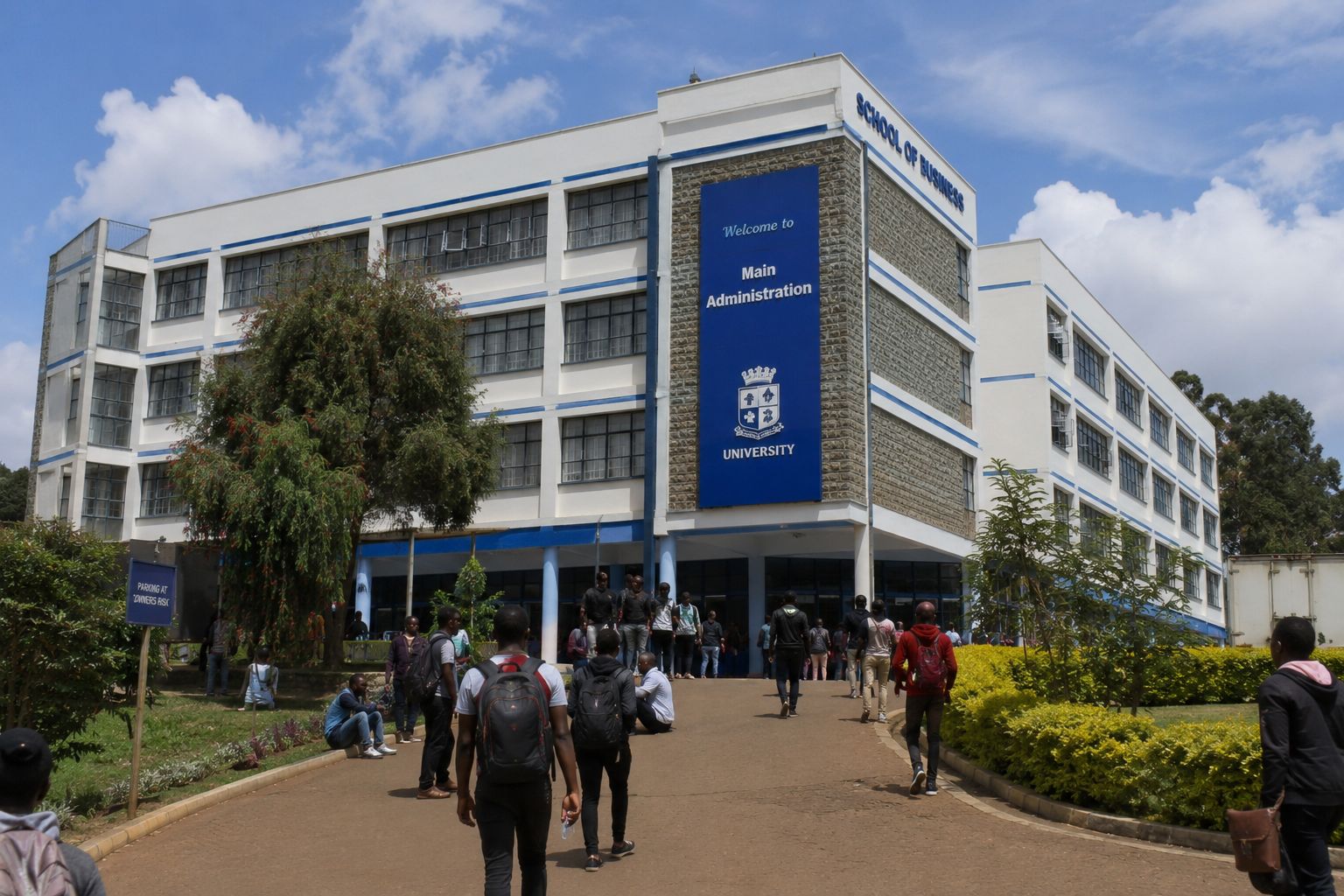
AI generated image
For many university students, graduation is imagined as the
beginning of stability; a degree, a job and eventually financial independence.
But for a growing number of young Kenyans, life after university has become
increasingly uncertain. With youth unemployment and underemployment remaining a
major challenge in 2026, the gap between the classroom and the workplace has
never felt wider.
From unpaid internships to delayed opportunities and jobs
unrelated to their qualifications, many graduates say the transition from
university into working life is becoming financially and emotionally
exhausting.
Recent journalism graduate Gad Ouma says entering the job
market has been far more difficult than he expected. “The challenge is that
most places want two or three years of experience,” he says. “But as a student,
how do you get that experience if no one is willing to employ you?”
Like many graduates, Ouma says he spent months applying for
jobs and internships with little response from employers. Even securing an
unpaid internship proved difficult. For three months, he worked without pay
while covering his own transport and lunch expenses.
“The workload was still high, but I had to facilitate
everything myself,” he says. “You start stressing about where transport money
will come from the next day.”
Although the internship provided experience, Ouma says the
constant financial strain affected his confidence and mental health. After
graduating, he expected to become financially independent and support his
mother, who had supported him throughout university. Instead, he says he still
relies on her financially.
“You feel like a burden,” he says. “You feel like you should
have figured things out by now.” Ouma says many of his friends are facing
similar frustrations, with some considering jobs completely unrelated to their
degrees simply to survive.
“I just want a chance to prove myself,” he says.
For some graduates, the challenge is not unemployment alone,
but underemployment. Daisy Wanyama, who studied engineering, now works as a
receptionist after struggling to secure opportunities in her field.
She says financial responsibilities forced her to take the
job despite feeling disconnected from the career she trained for. “You reach a
point where you just need money to survive,” she says. “A degree does not
automatically translate into employment.”
While grateful to have an income, Daisy says working outside
her field often leaves her feeling as though her skills and training are going
unused. “People talk a lot about unemployment, but they forget
underemployment,” she says.
Human resource consultant Esther Otieno says the growing
disconnect between education and employment is being driven by economic
pressures and increasing competition in the job market.
“Employers want someone who can adapt quickly with minimal
training,” she says. “Unfortunately, that leaves many fresh graduates
struggling to secure their first opportunity.”
According to Esther, limited internship and attachment
opportunities have made it harder for students to gain practical experience
before graduating, while the number of graduates entering the market continues
to exceed available positions.
She adds that some companies have also reduced hiring due to
rising operational costs and economic uncertainty, making the transition from
university to employment even more difficult for young people.
Even before graduation, many university students say anxiety
about the future has already begun shaping their daily lives.
Elhaan Sadam, a fourth-year university student relying on
Higher Education Loans Board (HELB) funding, says financial uncertainty and
difficulties securing attachment opportunities have made student life
increasingly stressful.
Like many students approaching graduation, she says
conversations around employment and financial stability have become
increasingly common among her peers.
“It’s hard because everyone is competing for the same
opportunities,” she says.
According to Elhaan, uncertainty surrounding employment
after graduation has left many students anxious about the future long before
they complete their studies. “There’s pressure to already have your life
figured out before you even graduate,” she says.
Mental health professionals say these struggles are becoming
increasingly visible among young adults seeking psychological support.
Clinical psychologist Salma Mohamud says many students and
graduates are experiencing chronic stress, anxiety and hopelessness linked to
academic pressure and unemployment.
“You find people constantly worrying about the future,” she
says. “They feel like they studied for something and should be able to get
jobs, but reality becomes very different.”
According to Salma, prolonged unemployment and financial
instability are contributing to low self-esteem, social isolation and family
conflict among many young adults.
She says some graduates begin withdrawing socially because
they cannot afford to maintain the lifestyles they expected after university,
while others struggle with feelings of shame and disappointment after moving
back home.
Salma also notes that repeated job applications without
feedback from employers can intensify self-doubt and frustration among
graduates trying to establish themselves.
As Kenya continues to grapple with high youth unemployment
and rising living costs, many graduates say the pressure extends beyond simply
finding work. For some, it is about delayed independence, financial strain and
the growing fear that education may no longer guarantee stability.
For now, many young people say they are simply trying to
adapt to an increasingly uncertain future, one application, internship and side
hustle at a time.
This is premium content
Subscribe to Continue Reading
Help us continue bringing you unbiased news, in-depth investigations, and diverse perspectives. Your subscription keeps our mission alive and empowers us to provide high-quality, trustworthy journalism. Join us today to make a difference!


 AI generated image

![[PHOTOS] The new Ngong –Naivasha Road viaduct](https://cdn.radioafrica.digital/image/2026/06/64d4f771-4432-4aee-ba3c-2f304c4436ec.jpg)






![[PHOTOS] 'Mr Speaker Sir' Gen Z protester in court](https://cdn.radioafrica.digital/image/2026/06/b3e62d8e-25c3-4780-90f9-4eb48b1ce8a7.jpg)