From Nairobi to Yaoundé and from Accra to Kampala, young
Africans seeking jobs abroad are increasingly finding themselves trapped in a
dangerous pipeline feeding Russia’s war in Ukraine.
What often begins as a promise of construction work,
security jobs or better pay in Europe has, in many documented cases, ended in
muddy trenches on the Ukrainian frontlines.
A new report by the International Federation for Human
Rights, Truth Hounds and the Kazakhstan International Bureau for Human Rights
and Rule of Law paints a disturbing picture of how Russia has built a sprawling
global recruitment system targeting economically vulnerable foreign nationals,
particularly from Africa, to sustain its war effort in Ukraine.
According to the report, Russia has recruited at least
27,000 foreign nationals from more than 130 countries since the start of its
full-scale invasion of Ukraine in February 2022.
African recruits are estimated to number between 1,700 and
4,000, though researchers warn the actual figure could be much higher.
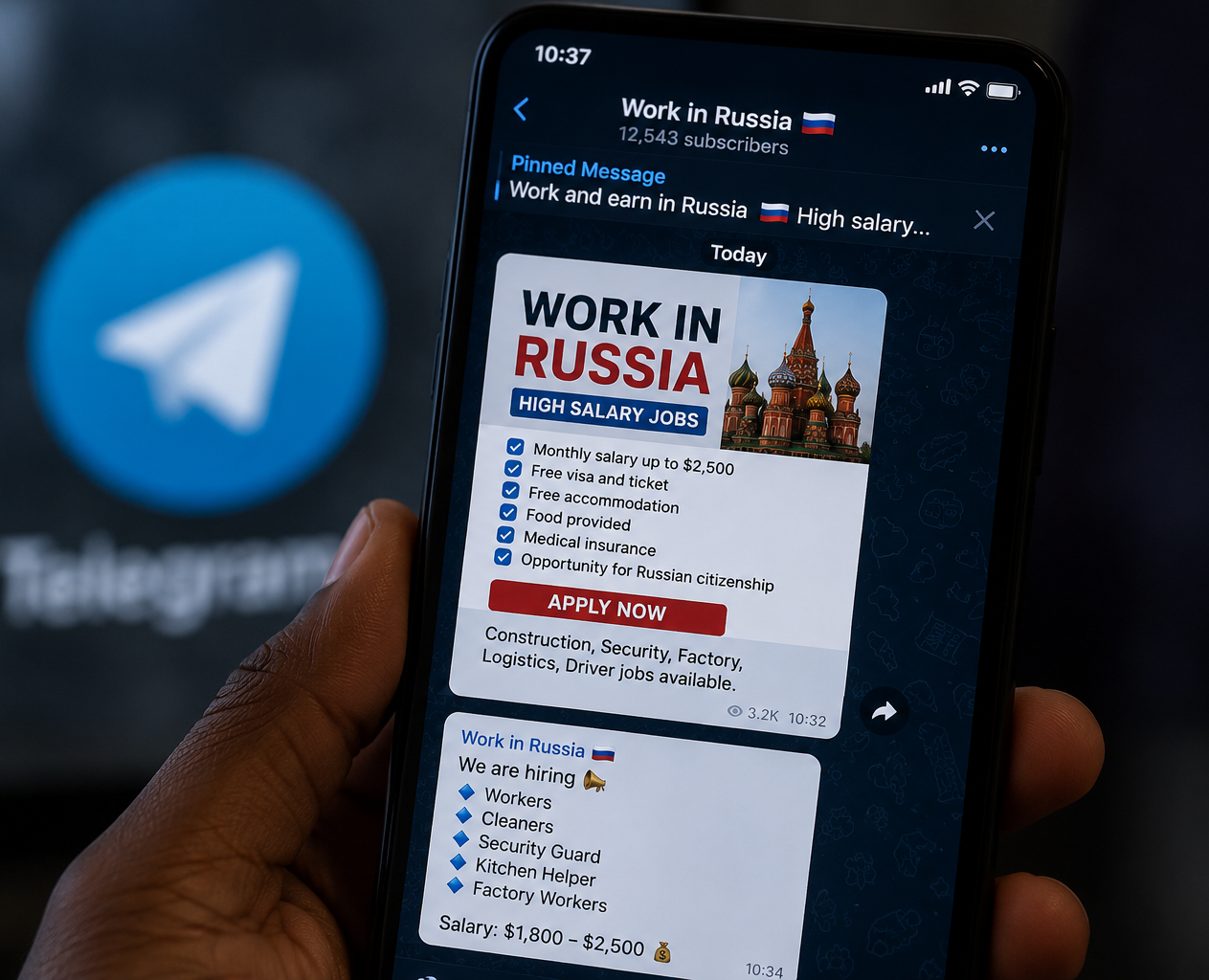
The report says online platforms, especially Telegram and
Facebook, have become central tools in the recruitment drive.
Recruiters advertise lucrative jobs in Russia, promising
salaries far beyond what many young Africans earn at home. Some ads claim
recruits will work in construction, logistics, kitchen services or factory
jobs. Others openly market military contracts with promises of fast-track
Russian citizenship, monthly salaries exceeding $2,000 and signing bonuses.
But for many recruits, reality changes immediately after
arrival in Russia.
“Many potential fighters have been lured through misleading
representations, such as promises of civilian employment in Russia, non-combat
military roles or facilitated access to Europe,” the report states.
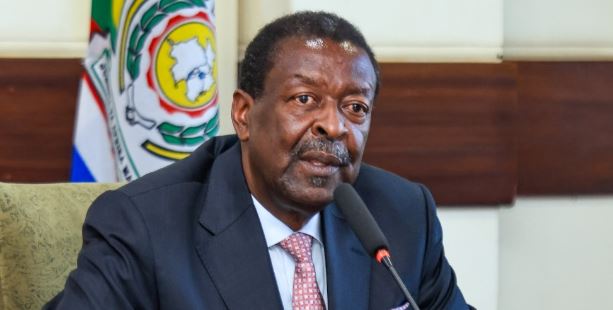
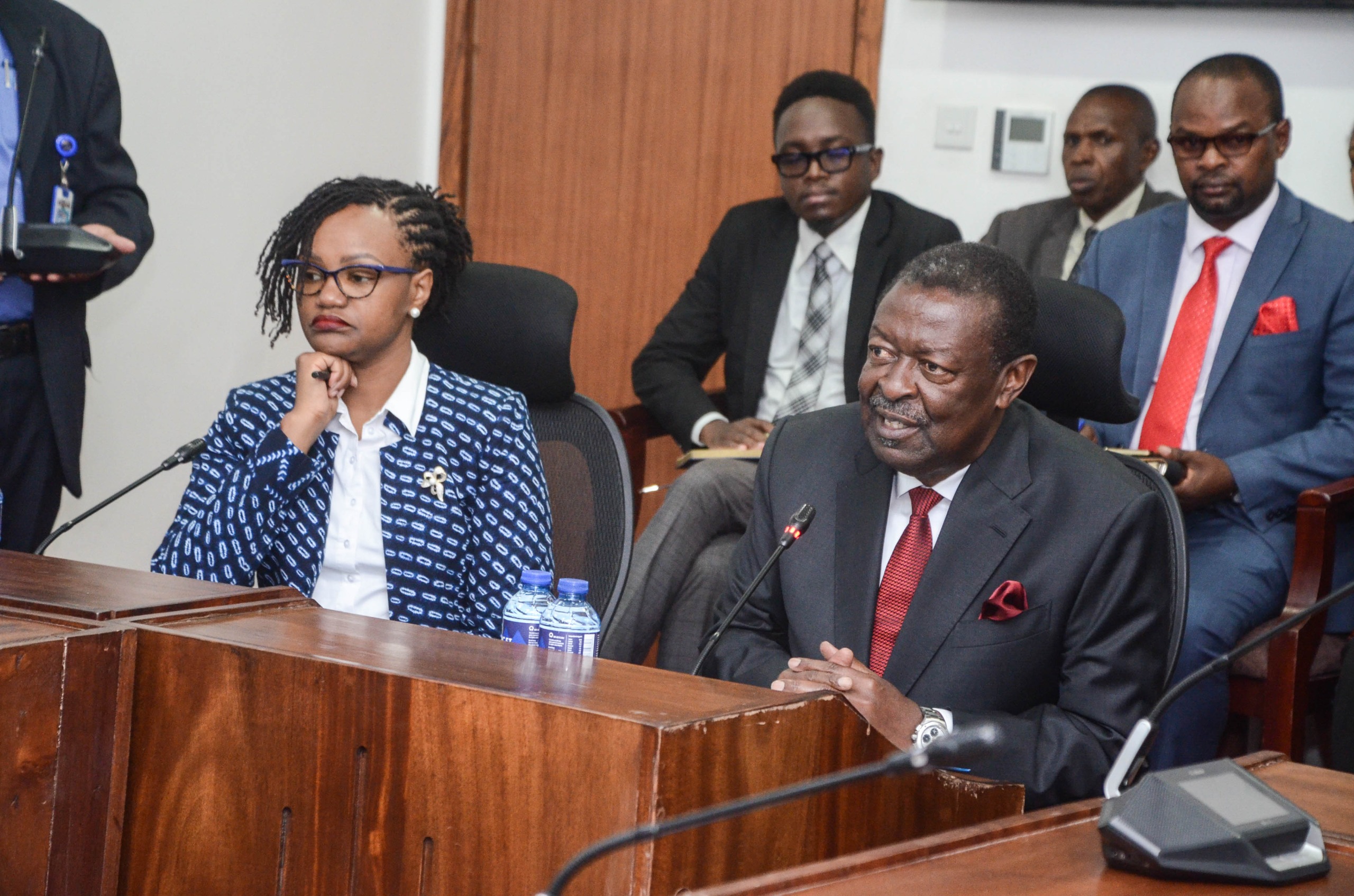
Moscow has, however, largely denied these allegations. Speaking
during a meeting, Prime Cabinet Secretary Musalia Mudavadi, Russian Foreign
Minister Sergey Lavrov categorically denied allegations that foreign nationals
from Kenya and other African countries are being forcibly recruited to fight in
the Russia-Ukraine war
“Russia is not forcing anyone to enlist. Just as in the case
of participation in the special military operation, volunteers join this
operation in full compliance with Russian law,” Lavrov said.
Researchers documented recurring patterns in which recruits
arrive in Russia on tourist or work visas before being redirected to military
recruitment centres. Contracts are often presented only in Russian, with little
or no interpretation provided.
Of the 16 prisoners of war interviewed by researchers, 13
said they had been told they would not be required to fight.
“Most nevertheless found themselves deployed to forward
positions within weeks of signing,” the report says.
Investigators found evidence that African nationals were
increasingly becoming a “significant pillar” of Russia’s recruitment strategy
by 2024 as Moscow sought to avoid another politically costly domestic
mobilisation.
The report describes a highly decentralised but
state-enabled system operating through private intermediaries, social media
channels and transnational trafficking-style networks.
Researchers said some Telegram channels openly advertise
opportunities for foreign nationals to “serve under contract” in the Russian
military. Others disguise the recruitment through labour migration offers.
The report argues that poverty and unemployment across parts
of Africa have made many young men particularly vulnerable.
“By 2024, the recruitment of African nationals seeking to
escape extreme poverty had likewise become a significant pillar of Russia’s
recruitment strategy,” the report states.
The investigation also found evidence of deception, coercion
and abuse.
Some recruits reportedly had their passports confiscated
after arrival in Russia. Others were threatened with arrest, detention or
deportation if they refused to sign military contracts.
According to Ukrainian estimates cited in the report, at
least 3,388 foreign fighters have been killed in combat since the invasion
began. Some reports suggest one in five foreign recruits do not survive.
Researchers say many recruits receive only a few weeks of
training before being sent to the frontlines. Language barriers further
compound the danger, with many unable to fully understand military
instructions, contracts or battlefield orders.
“Foreign fighters frequently receive little to no meaningful
military training,” the report says.
The report also raises concerns that the recruitment system
may amount to human trafficking under international law.
Kenya is among the countries highlighted for attempting to
respond through criminal investigations, diplomatic engagement and travel
restrictions.
However, the report notes that recruitment appears to have
continued through modified routes and online networks.
The researchers say governments across Africa face growing
pressure to crack down on recruiters operating through encrypted messaging
platforms and social media.
Human rights organisations warn that the phenomenon also
exposes wider failures in labour migration governance and youth unemployment
across the continent.
![[PHOTOS] The new Ngong –Naivasha Road viaduct](https://cdn.radioafrica.digital/image/2026/06/64d4f771-4432-4aee-ba3c-2f304c4436ec.jpg)





![[PHOTOS] 'Mr Speaker Sir' Gen Z protester in court](https://cdn.radioafrica.digital/image/2026/06/b3e62d8e-25c3-4780-90f9-4eb48b1ce8a7.jpg)