The Kenyan opposition may have
missed a rare opportunity to do serious international networking while Nairobi
was hosting one of the largest diplomatic gatherings on the continent.
The
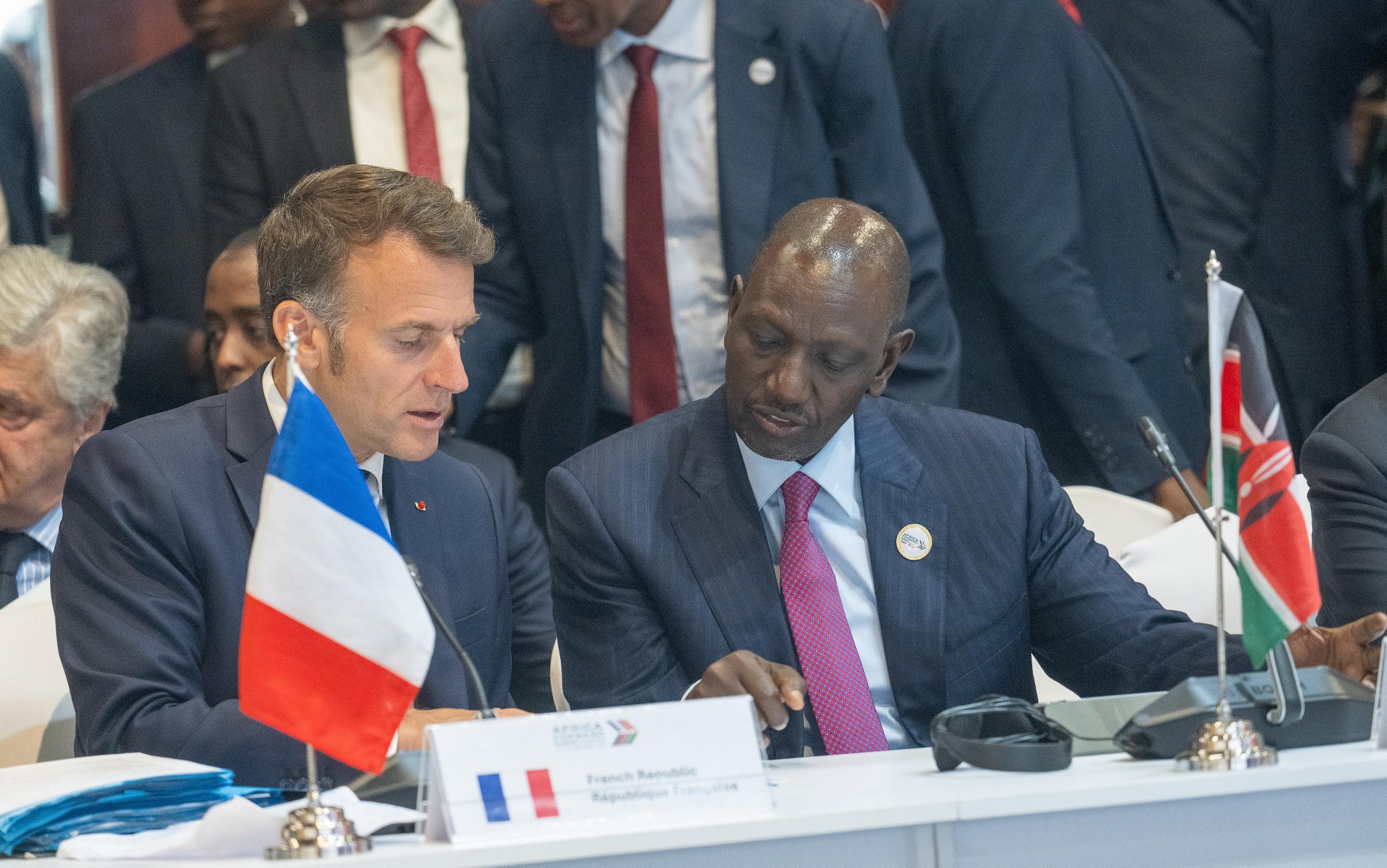
just-concluded Africa Forward Summit brought to Kenya African heads of state
and government, France, the African Union, international financial
institutions, development partners, business leaders, innovators and investors.
There were more than 40 heads of state and government and representatives from
nearly all countries in Africa, some visiting Kenya for the first time.
The summit’s stated aim
was to produce concrete commitments around investment, innovation, growth and a
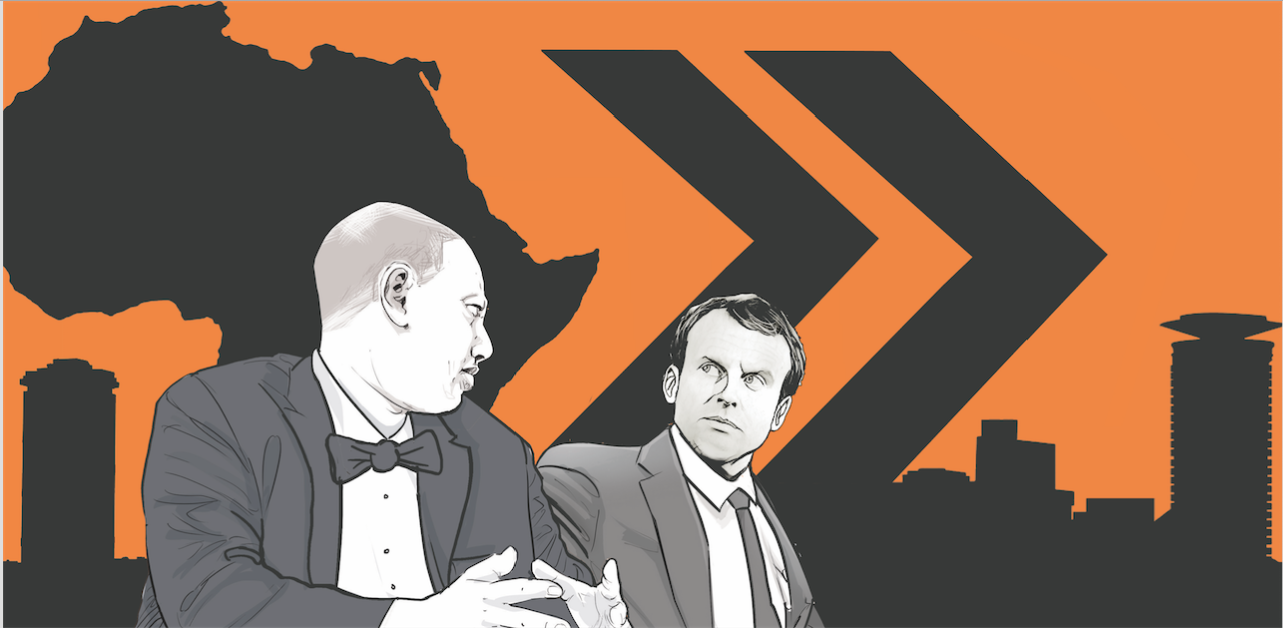
new Africa-France partnership model. President Emmanuel Macron co-chaired the
Summit together with President William Ruto.
The meeting was
co-sponsored by Bpifrance, one of France’s largest public investment funds with
more than $100 billion (Sh12.9 trillion) in assets.
There was also Business
France which is France’s national agency for international business development;
it helps French companies enter foreign markets, promotes French exports and
also markets France as a destination for foreign investment. Then there was
Proparco, which is France’s development finance institution for the private
sector, a subsidiary of the French Development Agency, AFD.
The city was abuzz
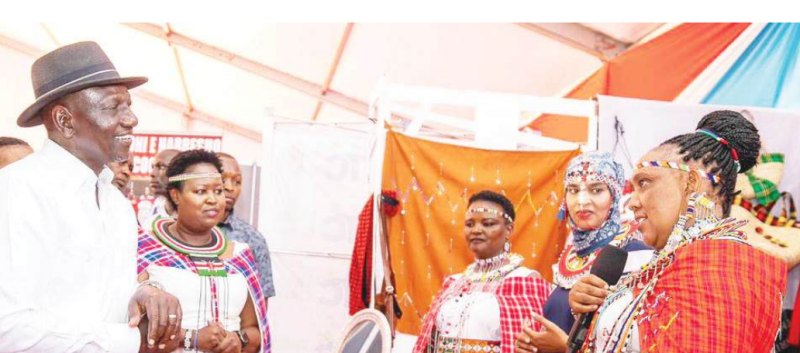
with thousands of delegates, the event also showcased many cultural exhibitions
and representations. The business forum brought together leading organisations
and businessmen from across Africa, with discussions around credit reform,
investment costs and Africa’s access to capital.
That was not a
small gathering. That is a diplomatic showground. The Kenyan opposition gave it
a wide berth, perhaps imagining it to be another Ruto function. It portrayed
them as tactically energetic but strategically thin.
Good at attacking
Ruto, yes. But not yet convincing as a team ready to inherit the diplomatic
burdens of the Kenyan state. In fact, they even opposed the event outright,
including a word from Kalonzo Musyoka, one-time Foreign Minister, who
reportedly termed it a waste of time.
A serious
opposition does not have to praise the government in order to recognise a national
opportunity. It can criticise President Ruto at home and still engage visiting
leaders, diplomats, investors, policy institutions and international media.
Many times, former opposition leader, Raila Odinga, when not cooperating with the government, sought audience and met foreign diplomats and visiting heads of state
and was an invited guest at State House.
That is how mature opposition
politics works. You separate the state from the government of the day. Kenya
belongs to all Kenyans, not to Kenya Kwanza, those in high office, or President
Ruto, for that matter.
Instead, some
opposition voices reduced the summit to a Ruto event, or dismissed the visiting
dignitaries as tourists. That portrays the opposition as too narrowly trapped
in domestic anti-Ruto politics, unable to see the wider diplomatic and economic
stage. It suggests a movement more comfortable with complaint than with
statecraft.
And that is the
real problem.
If the opposition hopes to
govern Kenya, it must show that it can operate at the level of
government-in-waiting. That means building relationships with foreign missions,
regional leaders, development partners, investors, think tanks and multilateral
institutions. It means showing the world that it has a credible alternative
foreign policy, not merely a louder domestic grievance.
The absence of visible
opposition engagement at such a summit creates three unfortunate impressions.
First, it suggests
diplomatic unreadiness. International actors look for continuity, seriousness
and predictability. If opposition leaders avoid or ridicule major diplomatic
platforms simply because they are hosted by the current government, they appear
unprepared for the responsibilities of power.
Second, it weakens
their claim to national leadership. A national leader should be able to say, “I
disagree with this government, but I welcome our guests to Kenya and will
engage them on behalf of the Kenyan people.” That would have been
statesmanlike.
Third, it leaves
the ruling side to monopolise international visibility. Diplomacy is also
optics. Photographs, side meetings, policy conversations, business forums,
corridor introductions, all these opportunities matter. By staying away
rhetorically or politically, the opposition allowed the government to occupy
the entire diplomatic space.
The real question
is this: why did the Kenyan opposition not use the presence of so many
international actors in Nairobi to project itself as a serious, credible and
globally connected alternative government?
That, indeed, was
the missed opportunity.
The writer is a political commentator




![[PHOTOS] The new Ngong –Naivasha Road viaduct](https://cdn.radioafrica.digital/image/2026/06/64d4f771-4432-4aee-ba3c-2f304c4436ec.jpg)








![[PHOTOS] 'Mr Speaker Sir' Gen Z protester in court](https://cdn.radioafrica.digital/image/2026/06/b3e62d8e-25c3-4780-90f9-4eb48b1ce8a7.jpg)