The World Health Organization has warned that global disease-fighting progress may reverse
without urgent investment in stronger health systems and improved data, as the
world is currently losing ground.
The warning comes as Kenya and other African
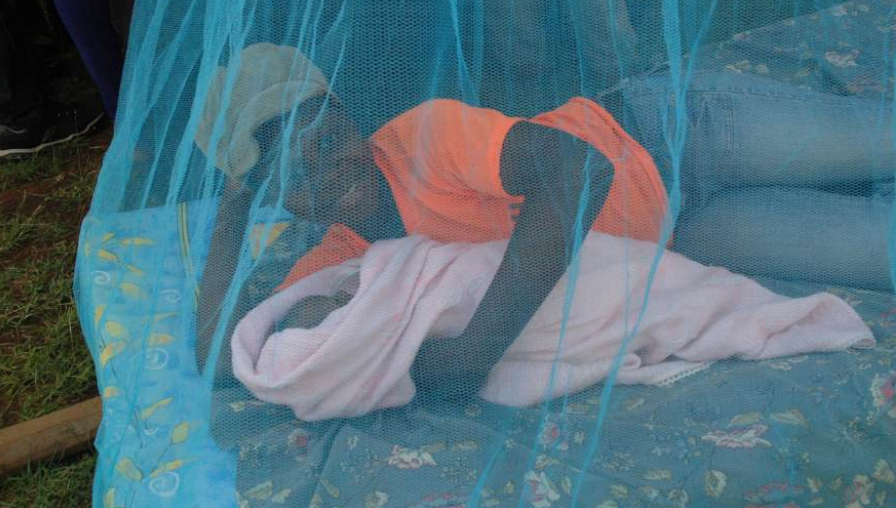
countries continue battling recurring malaria outbreaks, despite years of
progress.
In Kenya alone, malaria cases rose sharply in
recent years, with WHO reports showing infections climbed to more than four
million cases last year, while hospitals across high-risk counties
continued reporting heavy disease burdens.
In its new World Health Statistics 2026 report
released Tuesday, the organisation said
the world remains off track to meet any of the health-related Sustainable
Development Goals by 2030.
The report says progress has slowed, become uneven
and in some areas completely reversed due to growing health financing gaps,
environmental risks, disease outbreaks and weak health systems.
Still, WHO said that some major gains have been achieved over the
last decade.
Globally, new HIV infections dropped by 40 per cent
between 2010 and 2024, tobacco and alcohol use declined, and the number of
people needing treatment for neglected tropical diseases fell by 36 per cent.
Access to basic services also improved
significantly. Between 2015 and 2024, nearly one billion more people gained
access to safe drinking water, while more 1.2
billion accessed sanitation services.
The WHO African region recorded faster-than-global reductions in HIV
and tuberculosis infections. HIV infections in the region fell by 70 per cent,
while tuberculosis cases declined by 28 per cent.
However, malaria remains a major concern.
According to the report, global malaria incidence
has increased by 8.5 per cent since 2015, pushing the world further away from
international reduction targets.
“These data tell a story of both progress and
persistent inequality, with many people – especially women, children and those
in underserved communities – still denied the basic conditions for a healthy
life,” Tedros Ghebreyesus said.
“Investing in stronger, more equitable health
systems, including resilient health data systems is essential to target action,
close gaps and ensure accountability.”
The report also paints a worrying picture of
growing health risks facing women and children.
Anaemia still affects 30.7 per cent of women of
reproductive age globally, with little improvement over the past decade.
Childhood overweight cases have also risen, reaching 5.5 per cent among
children under five years.
WHO further warned that violence against women
remains widespread, with one in four women globally experiencing intimate
partner violence.
At the same time, progress toward universal health
coverage is slowing.
The global index measuring access to essential
health services improved only slightly between 2015 and 2023.
WHO estimates that one quarter of the world’s
population suffered financial hardship due to medical bills, while 1.6 billion
people were either pushed into poverty or remained poor because of
out-of-pocket healthcare spending in 2022.
Childhood vaccination coverage has also failed to
recover fully after the Covid-19 pandemic, increasing the risk of disease
outbreaks.
Although maternal deaths worldwide have declined by
40 per cent since 2000, WHO says the figure remains nearly three times higher
than the 2030 target.
Deaths among children under five have fallen by 51
per cent globally, but many countries are still not on track to meet global
targets.
The agency also warned about worsening
environmental health risks.
Air pollution contributed to about 6.6 million deaths globally in 2021, while poor
sanitation, unsafe water and inadequate hygiene caused another 1.4 million
deaths in 2019.
“These trends reflect too many deaths that could
have been avoided,” Yukiko Nakatani said.
“With rising environmental risks, health
emergencies and a worsening health financing crisis, we must act urgently –
strengthening primary health care, investing in prevention, and securing
sustainable financing to build resilient health systems and get back on track.”
WHO said the Covid-19 pandemic exposed major
weaknesses in global healthcare systems.
Between 2020 and 2023, the pandemic was linked to about 22.1 million excess deaths worldwide — more than
three times the officially reported Covid-19 deaths.
The report says the pandemic reversed nearly a
decade of gains in global life expectancy, with recovery still incomplete in
many regions.
WHO also raised concern over poor health data
systems, saying many countries still struggle to provide timely and accurate
mortality data.
As of the end of last year, only 18 per cent of countries were reporting
death data to WHO within one year, while nearly a third had never submitted
cause-of-death data.
“Data gaps severely limit the ability to monitor
real-time health trends, compare outcomes across countries, and design
effective public health responses,” Alain Labrique said.
“Country efforts to invest in stronger systems,
digitalisation and improved reporting standards are encouraging and should be
sustained – they are essential to enable countries to collect, integrate,
analyse and use health data for better decisions”.
WHO said the findings show that while global health
efforts are still producing results, the gains remain fragile without stronger
investment, prevention programmes and sustainable financing.




![[PHOTOS] The new Ngong –Naivasha Road viaduct](https://cdn.radioafrica.digital/image/2026/06/64d4f771-4432-4aee-ba3c-2f304c4436ec.jpg)






![[PHOTOS] 'Mr Speaker Sir' Gen Z protester in court](https://cdn.radioafrica.digital/image/2026/06/b3e62d8e-25c3-4780-90f9-4eb48b1ce8a7.jpg)