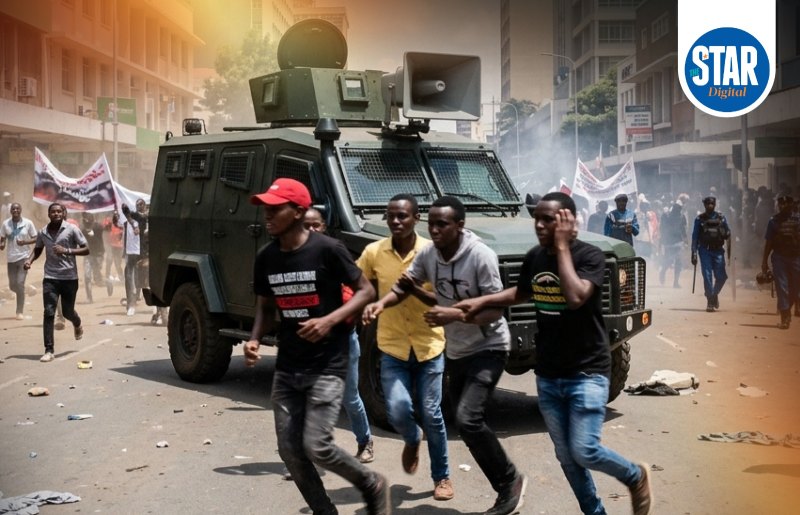
The Independent Policing Oversight Authority (IPOA) cited
the need to strengthen its operational effectiveness and responsiveness.
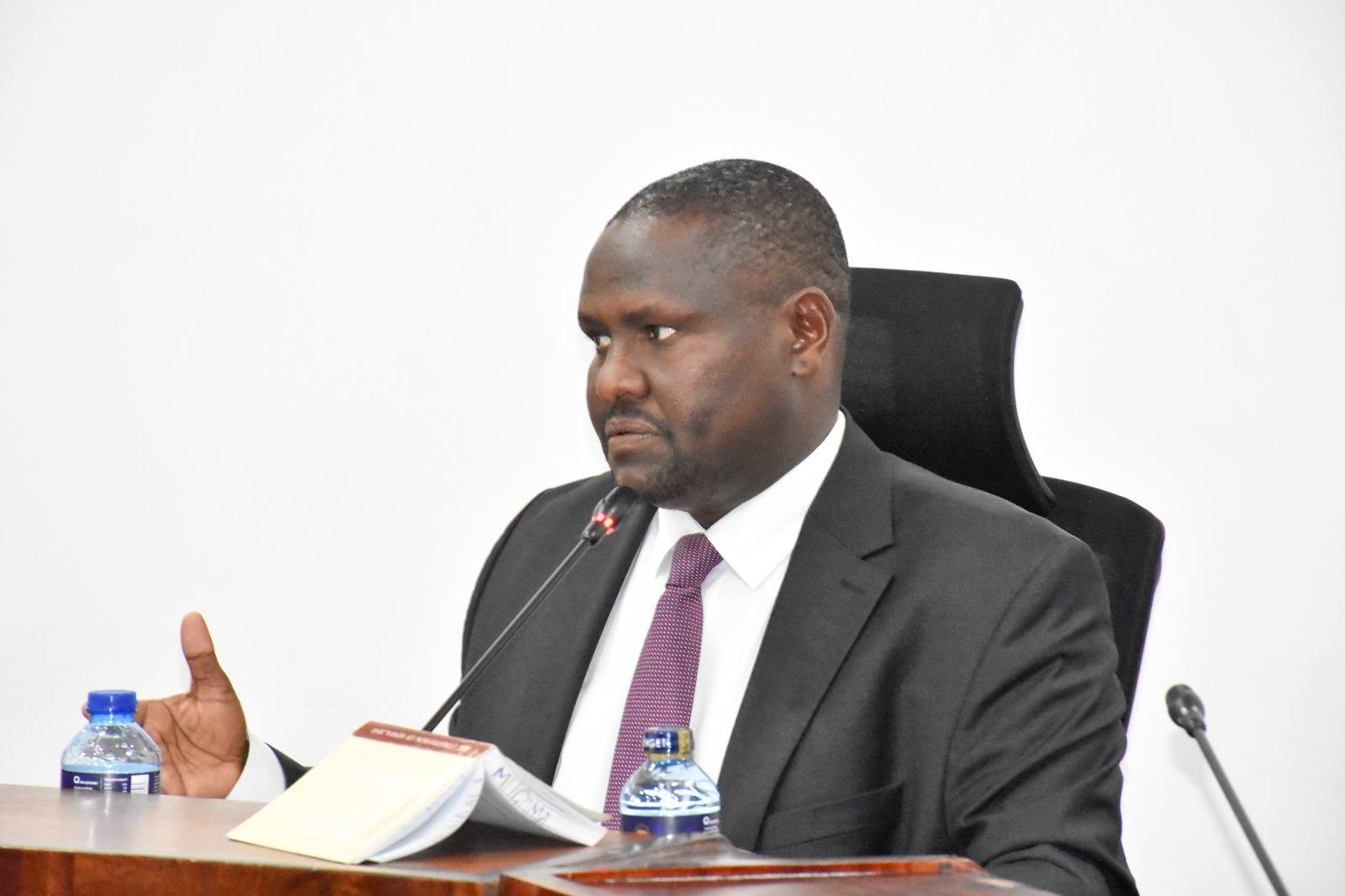
In submissions before the Security Committee of the National
Assembly, IPOA chief executive officer Elema Halake, in remarks delivered on
his behalf by the Director of Legal Affairs, said the entity’s operating
environment requires the vote head.
“The operational environment within which IPOA executes its
mandate has become increasingly complex, dynamic and sensitive,” he said.
The CEO added, “Investigations involving serious police
misconduct, public order management operations, enforced disappearances,
torture allegations and extrajudicial killings frequently require covert
operations supported through confidential expenditure mechanisms.”
“It is against this background that IPOA seeks consideration
by the National Assembly for an enhanced budgetary allocation of Sh100 million
towards confidential funds,” he said.
Other entities with confidential funds include State House,
the Office of the President, the Office of the Deputy President, the Department
of Internal Security, the Judiciary and the Ministry of Foreign Affairs.
IPOA further told the Security Committee, chaired by Narok
West MP Gabriel Tongoyo, that it requires Sh61.5 million to help acquire drones
for election monitoring, investigations and communication, among other uses.
The authority said the amount has not been included in its
budget and that this will constrain its capacity to sustain web-based
operations.
The entity said it needs the funds to modernise its
infrastructure and expand digital capabilities for institutional growth.
“Expiring system licences and forensic equipment previously
supported by partners now require Exchequer support,” the agency boss said.
“Failure to renew the licences may disrupt investigations,
case management and public service delivery,” Halake said, while asking MPs to
consider providing resources to address the shortfalls.
IPOA has also lamented a Sh102 million shortfall affecting
investigations into complaints filed against police officers.
It argued that the shortfall would constrain core
operations, including complaint inquiries and investigations. Others are court
appearances, police premises inspections, monitoring of police operations and
tracking the implementation of recommendations.
The authority said the clearance of 970 backlog
investigations, estimated at Sh73 million, would be delayed, “effectively
affecting timely justice delivery”.
“Support for the prosecution of 314 criminal cases before
courts across the country, estimated at Sh69.7 million, will be curtailed,
resulting in subversion of justice,” the authority said.
It also lamented that police operation monitoring and
investigations into police misconduct will be hampered as the country gears up
for the elections. The authority requires Sh30 million for the exercise.
IPOA further wants Sh212 million added to its budget for the
hiring of 87 technical staff to fill existing gaps at the head office and 15
positions at regional offices.
It also requested Sh191 million for the purchase of 10 motor
vehicles, including Sh135 million for the board and regional offices.
The agency is also seeking Sh56 million to operationalise
six new offices, bringing the total deficit to Sh823 million.
It further wants Sh300 million for the establishment of its
headquarters, citing costly rent payments that have accumulated to Sh713
million since IPOA’s inception.
“The acquisition of our own office accommodation will
release funds to other critical areas of operations,” Halake said, adding that
the authority’s international engagements are also hampered by an inadequate
budget.
The authority also wants budgetary support to establish its
own forensic laboratory, saying it currently relies on one run by the National
Police Service, which compromises its independence.
In addition, the authority said a Sh12.6 million deficit in
operations and maintenance, compared with the provisions approved in the Budget
Policy Statement, would have a major impact.
“The financial gap is likely to impede the timely implementation
of key oversight activities and limit the authority’s capacity to conduct
investigations, inspections and monitoring of police premises.”



![[PHOTOS] The new Ngong –Naivasha Road viaduct](https://cdn.radioafrica.digital/image/2026/06/64d4f771-4432-4aee-ba3c-2f304c4436ec.jpg)



![[PHOTOS] 'Mr Speaker Sir' Gen Z protester in court](https://cdn.radioafrica.digital/image/2026/06/b3e62d8e-25c3-4780-90f9-4eb48b1ce8a7.jpg)