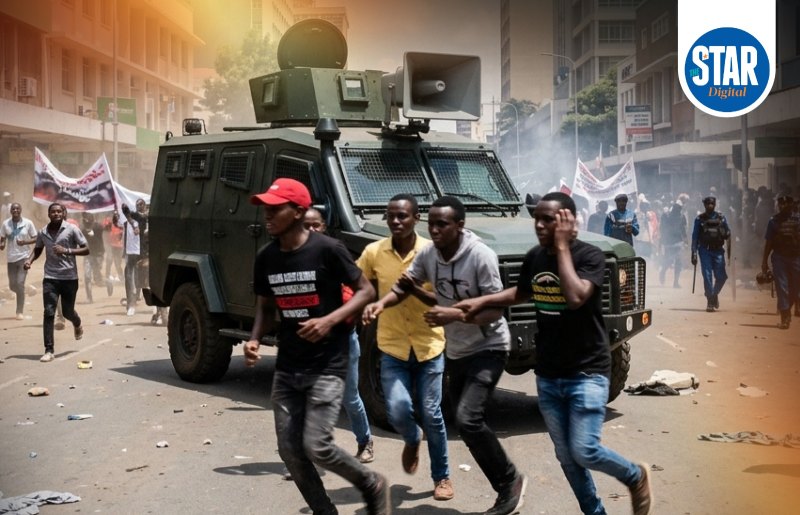
The National Cohesion and Integration Commission has
appealed for increased funding ahead of the 2027 General Election.
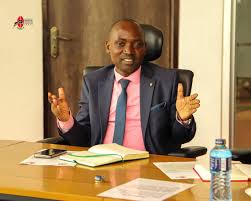
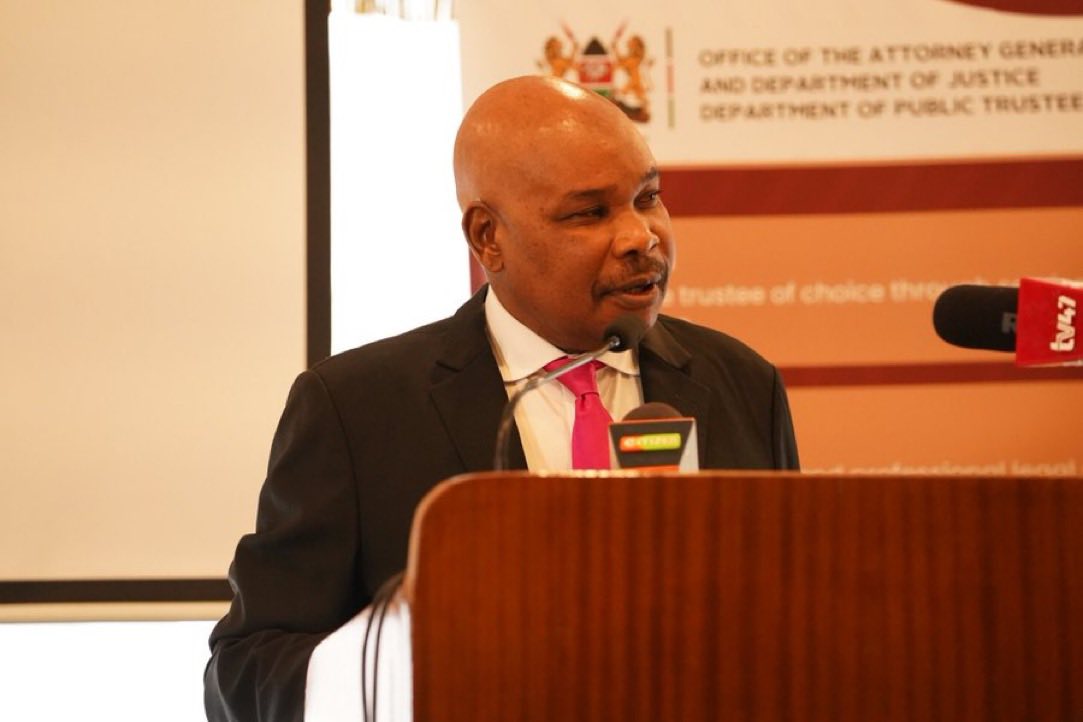
NCIC chief executive Daniel Giti warned that rising political tensions, online
hate speech and inter-community conflicts could threaten national peace and
stability if not addressed early.
Appearing before the National Assembly’s Security Committee during
scrutiny of the 2026-27 budget estimates, he said the
commission requires enhanced financial support to effectively monitor conflict
hotspots and strengthen peacebuilding interventions across the country.
Giti told lawmakers that NCIC had requested Sh1.5 billion
but was allocated only Sh711 million in the Budget Policy Statement.
He stated that the allocated amount falls short of the
commission’s operational needs as the country heads into a politically charged
election period.
“We are expecting high-tech political activities across the
country, which require substantial financing to support early warning and early
response mechanisms, hotspot mapping and sustained community dialogue,” he
said.
The commission warned that hate speech offences are
increasingly shifting to digital platforms, making social media monitoring and
forensic investigative tools essential in detecting, tracking and prosecuting
offenders.
Giti said without adequate digital tools and technical
capacity, securing convictions in hate speech-related cases would remain
difficult, potentially undermining efforts to deter inflammatory political
rhetoric online.
“Without proper tools to sustain convictions in a court of
law, we may not be able to deter the crime of social media hate speech,” he
said.
He disclosed that the commission had already developed a
roadmap towards the 2027 General Election, focusing on pre-election, election
and post-election peacebuilding initiatives aimed at preventing violence and
strengthening national cohesion.
However, he warned that limited funding could derail
preparedness efforts at a time when several parts of the country are already
experiencing heightened tensions and active conflict cases.
Giti said NCIC has recently handled
conflict-related investigations in Garissa, Kitui and Tana River counties,
where deployment of investigators and specialised personnel has proven costly.
He said a two-day operation in the affected areas costs nearly Sh900,000 due to logistical demands, deployment of experts and
interpretation services required during investigations and mediation exercises.
“We may not quantify peace mathematically, but members need
to look at what happens when there are no thorough community networks,” he told
the committee.
Despite the concerns raised by the commission, MPs
questioned NCIC’s effectiveness and accountability, accusing it of failing to
firmly address inflammatory political statements and online abuse targeting
leaders.
Saku MP Dido Raso, who serves as the vice chairperson of the
committee, criticised the commission for what he termed weak enforcement
against individuals engaging in divisive political discourse.
“We are going to a General Election and if NCIC is not going
to up its game, this committee is unlikely to allocate them funds because they
are not doing anything in the public forum,” he said.
The legislator expressed concern over increasing cases of
online insults directed at President William Ruto, arguing that failure to take
action against offenders could embolden more dangerous forms of political
incitement.
“Kenyans are abusing the President, and nobody follows them,
no file is opened. Then tomorrow something bigger is going to happen,” he said.
Raso also addressed attacks directed at former Deputy
President Rigathi Gachagua, saying while criticism of government policy was
constitutional and acceptable, personal attacks and inflammatory rhetoric
risked escalating political tensions ahead of the polls.
“We expect funds to be utilised effectively for protection
of Kenyans, service delivery and creating equity so that citizens can go about
their business without fear,” he added.
Sotik MP Francis Sigei also questioned the commission’s
relevance and visibility, saying Kenyans expected practical solutions rather
than repeated explanations from state agencies.
“We do not want a lot of English. We want to know how this
country can be saved from the problems we are seeing,” he said.
The lawmaker further faulted NCIC for previously failing to
appear before the committee despite being summoned, raising concerns about
transparency and accountability in the institution.
Responding to the criticism, Internal Security PS Raymond Omollo acknowledged that the commission had faced
operational challenges.
“There has been a serious challenge, part of it being lack
of full composition of the commission,” he said.
Dr Omollo told MPs that Parliament had already approved
nominees for new commissioners who are expected to assume office soon,
expressing optimism that the appointments would strengthen the institution’s
capacity and oversight functions.
He also defended the current leadership of the commission,
noting that Dr Giti had only been in office for about a year and was still
addressing long-standing institutional and operational challenges inherited
from previous administrations.
“We will still rely on your guidance to support this
commission to deliver for the country, more so now that we are going into an
election,” he said.
The PS assured lawmakers that NCIC would
appear before the committee at the next available opportunity to present a
comprehensive strategy for combating hate speech, promoting peaceful
coexistence and enhancing national cohesion ahead of the 2027 General Election.




![[PHOTOS] The new Ngong –Naivasha Road viaduct](https://cdn.radioafrica.digital/image/2026/06/64d4f771-4432-4aee-ba3c-2f304c4436ec.jpg)




![[PHOTOS] 'Mr Speaker Sir' Gen Z protester in court](https://cdn.radioafrica.digital/image/2026/06/b3e62d8e-25c3-4780-90f9-4eb48b1ce8a7.jpg)