President William Ruto has defended the push for stronger African representation at the International Criminal Court (ICC).
Ruto is arguing that the continent cannot continue being at the centre of international justice debates without having a stronger voice in shaping global legal institutions.
Ruto said African countries and communities have borne the greatest share of cases handled by the Hague-based court and therefore deserve meaningful representation on its bench.
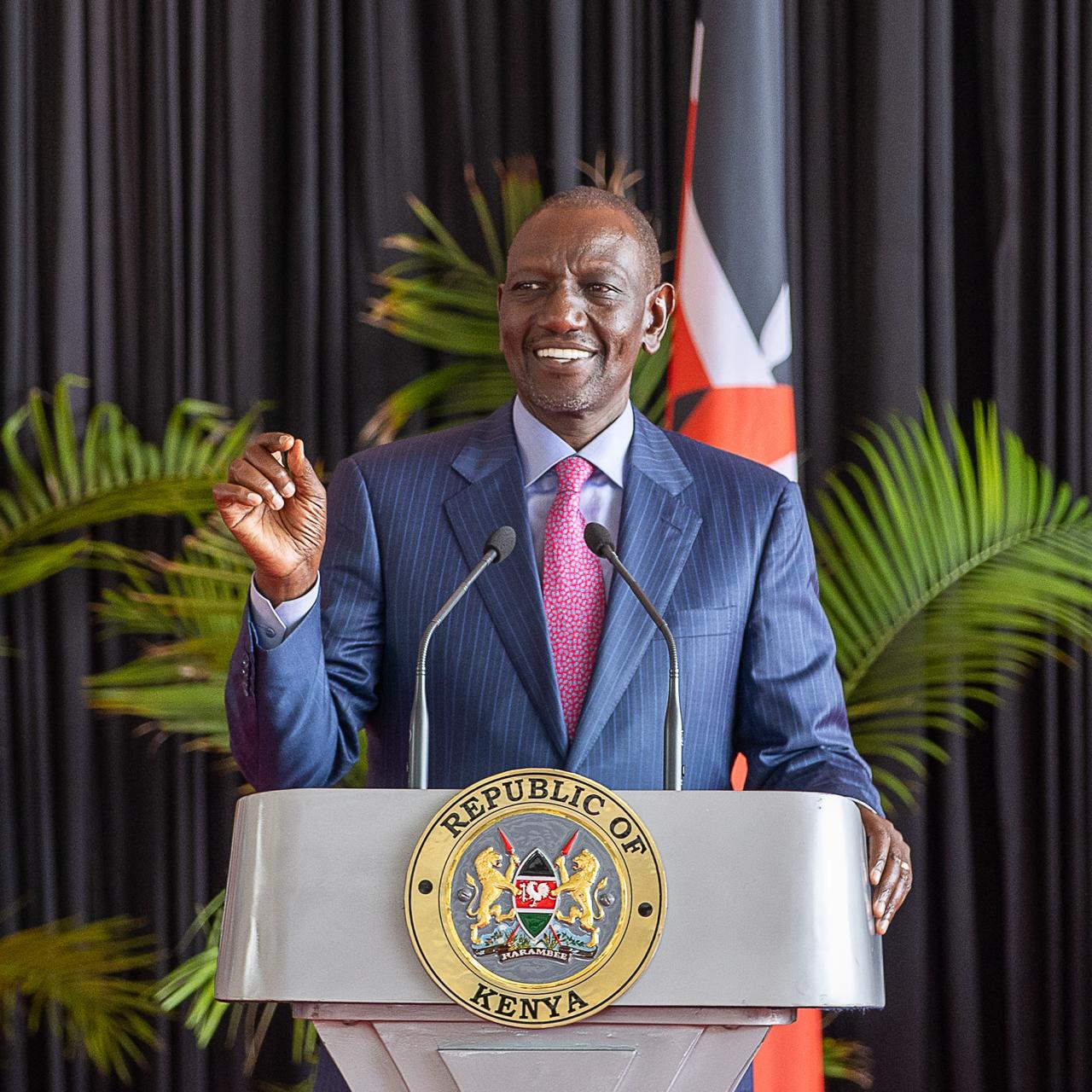
“The majority of cases before the ICC have involved African situations, African communities and African victims seeking justice. It is therefore both appropriate and necessary that Africa has strong, principled and highly qualified representation on that bench,” Ruto said.
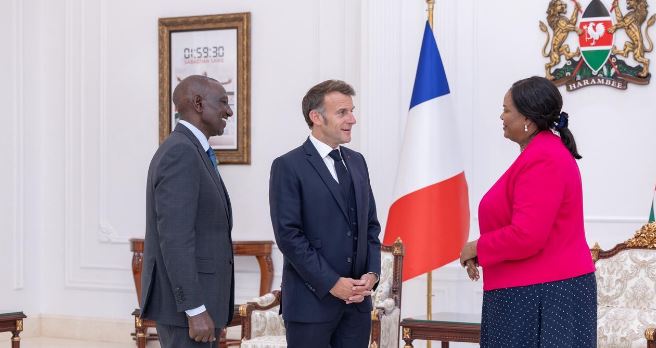
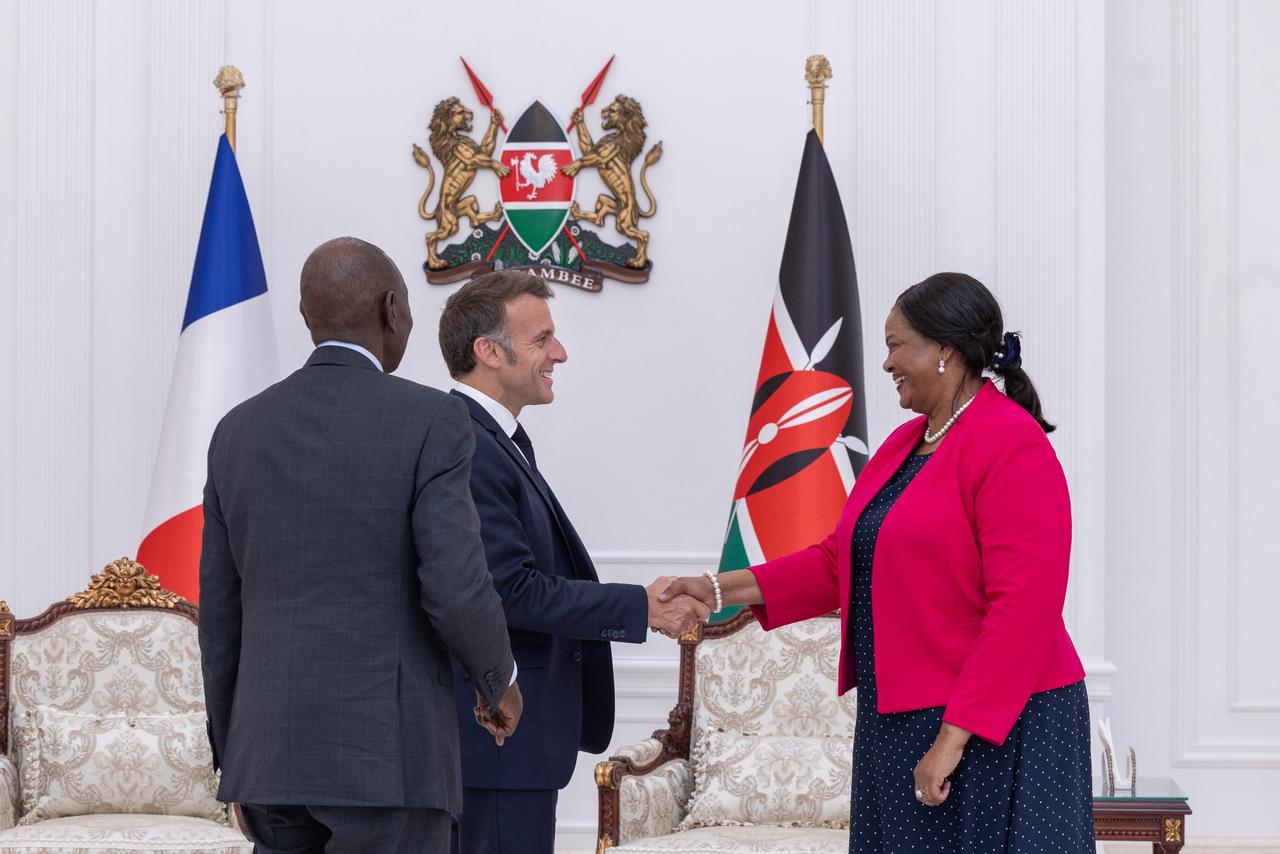
He was speaking on Wednesday at State House, Nairobi, during the official launch of Kenya’s candidature of Justice Njoki Ndung’u for election as judge of the ICC.
The President said Africa has for decades been at the centre of conversations on conflict, political violence, terrorism, democratic transition and accountability, giving the continent a unique experience and understanding of the realities surrounding international justice.
“For too long, Africa has stood at the centre of global conversations on conflict, accountability, displacement, democratic transition and peacebuilding,” he said.
He, however, noted that Africa should not only be viewed through the lens of crises and instability.
He stated that the continent has also produced important lessons in constitutional reforms, restorative justice, institutional rebuilding and peaceful coexistence.
“But Africa has also produced some of the world’s most important lessons in constitutional reconstruction, democratic renewal, restorative justice, institutional reform and peaceful coexistence,” Ruto said.
“Africa, therefore, cannot remain merely the subject of international justice. Africa must help shape international justice.”
The President used the occasion to call for greater African influence not only at the ICC but also within broader global governance institutions, including the United Nations Security Council (UNSC) and Bretton Woods institutions.
He warned that international justice systems risk losing credibility if they are perceived as selective or influenced by geopolitical interests.
“International justice cannot endure if it is perceived as selective or preferential,” he said.
“No global institution can command enduring confidence if justice appears vulnerable to geopolitics or unequal power relations.”
Ruto nevertheless reaffirmed Kenya’s support for the Rome Statute and for an independent and credible ICC grounded on fairness, impartiality and judicial integrity.
“We support a court grounded firmly on judicial independence, procedural fairness, impartiality, integrity and fidelity to the Rome Statute,” he said.
The President said Kenya believes international and domestic justice systems should complement each other in addressing crimes and protecting victims.
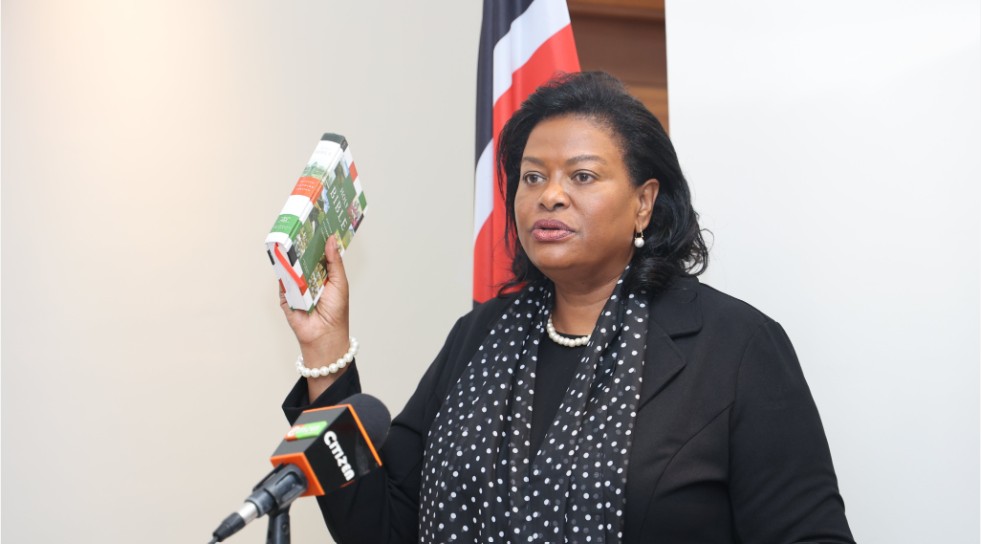
He also used the event to formally endorse Justice Ndung’u, describing her as one of Kenya’s leading constitutional reformers whose legal career reflects a commitment to justice and protection of vulnerable groups.
“Justice Njoki Ndung’u is not just an accomplished jurist. She represents an entire generation of Kenyan constitutional reformers who helped steer this country through one of the most consequential democratic transitions in our history,” Ruto said.
He disclosed that Ndung’u emerged through a competitive nomination process involving several distinguished Kenyan jurists before the government settled on her candidature.
“Kenya reviewed her record, reflected on her 15 years of distinguished service on our Supreme Court, and considered her lifelong contribution to constitutionalism, gender justice and the protection of the vulnerable,” he said.
“Without hesitation, we concluded that she is exceptionally well-suited for this important international responsibility.”
Justice Ndung’u currently serves at the Supreme Court and is widely recognised for her contribution to legal reforms and the advancement of women’s rights in Kenya.
Ruto said Kenya’s role now is to rally international support for her candidature and ensure the global community benefits from her experience and integrity.
“This is Justice Njoki Ndung’u’s aspiration and calling. Kenya’s role is to ensure that the international community recognises her immense value and benefits from her experience, integrity and contribution to the advancement of justice,” he said.
The ICC, headquartered in The Hague, prosecutes genocide, crimes against humanity, war crimes and crimes of aggression.
![[PHOTOS] The new Ngong –Naivasha Road viaduct](https://cdn.radioafrica.digital/image/2026/06/64d4f771-4432-4aee-ba3c-2f304c4436ec.jpg)





![[PHOTOS] 'Mr Speaker Sir' Gen Z protester in court](https://cdn.radioafrica.digital/image/2026/06/b3e62d8e-25c3-4780-90f9-4eb48b1ce8a7.jpg)