For many
young Kenyans, the perfect weekend no longer begins with a nightclub queue and
ends in a blurry hangover.
Instead,
they are waking up before sunrise for community runs in Karura, spending Sunday
afternoons shaping clay in pottery studios or gathering at jazz nights and
trivia events where conversation matters more than chaos.
Across
Nairobi, softer hobbies from running clubs and pilates to pottery, painting and
wellness cafés are becoming increasingly popular among Gen Z and young
professionals seeking slower, more intentional ways to unwind.
For some,
the shift is driven by burnout. For others, it is about community, creativity
or simply escaping the pressure of constantly being online.
Clinical
psychologist Salma Mohamud believes the rise of wellness-centred spaces among
young people is being shaped by both emotional needs and internet culture. “A
lot of young Kenyans are going through burnout from work, so they are looking
for ways to release stress,” she says.
At the
same time, social media has made wellness culture more visible and aspirational
than ever before. Platforms such as TikTok and Instagram have exposed young
people to global trends.
“Back in
the day people didn’t know about these things because they weren’t constantly
on social media,” she says. “Now every new café, every run club and every
wellness space is online.”
According
to Salma, social media’s influence is both positive and harmful.
“There are
two sides to it,” she says. “On one hand, it encourages people to take up
hobbies, sports and healthier lifestyles. On the other hand, it can also create
pressure and comparison.”
Still, she
says many of these activities can have genuine emotional and psychological
benefits, particularly hobbies that encourage creativity, mindfulness and human
connection.
“Things
like painting and pottery are very therapeutic,” she says. “Using your hands in
repetitive motions can be calming, and being around supportive communities is
emotionally healthy as well.”
That sense
of community is what kept Basma Fahmy coming back to We Run Nairobi after initially
joining out of curiosity. “Running became such a thing on TikTok,” she says.
“I’d always enjoyed fitness, so I thought, why not?”
What
surprised her most, however, was not the exercise itself but the people.
“Everyone
is encouraging each other,” she says. “You feel like you’re all trying to
become better versions of yourselves.”
Basma says
many young people are now choosing activities that leave them feeling fulfilled
rather than exhausted. “After a run, I feel refreshed and motivated,” she says.
“It’s mental as well because during the run you keep telling yourself not to
give up.”
That
search for fulfilment is something Drew Mugambi understands well.
Before
discovering pottery, most of his weekends revolved around concerts, parties and
nightlife. Eventually, however, the excitement began to feel draining.
“Every
weekend I was chasing something loud or overstimulating,” he says. “Then I’d go
back to work on Monday already exhausted.”
Everything
changed after a friend invited him to a pottery class.
“There’s
something about creating something from scratch with your own hands,” he says.
“It felt calming and therapeutic in a way nightlife never did.” Pottery, he
says, gave him rest in a way constant stimulation could not.
Beyond the
art itself, Drew found something else he had not expected: meaningful
connection.
“You meet
people, talk and interact without pressure,” he says. “It feels more
intentional.”
Businesses
built around these experiences are beginning to notice the shift too.
Christine Ogutu, founder of Curry Culture, says many young people are no longer looking for social spaces centred only around food, alcohol or loud nightlife but for experiences that feel more intentional and emotionally fulfilling.
“People don’t just want food anymore; they want an experience,” she says.
From jazz nights and trivia events to outdoor cooking sessions, the space was designed to encourage conversation and connection rather than passive entertainment.
She believes the growing popularity of softer social spaces reflects a generation becoming more intentional about mental wellbeing and self-expression. “Most young people want spaces where they can express themselves without judgement," she says. “Fun doesn’t always have to be loud.”
Still, not
everyone believes the rise of “soft hobbies” is entirely genuine.
Antoinette,
who still enjoys concerts and nightlife, believes some wellness trends have
become overly aesthetic and performative online. “A lot of people are doing
them for the aesthetics and social media,” she says.
For her,
nightlife can offer the same emotional release others find in pottery or
Pilates.
“When I go
out, I’m usually not even on my phone,” she says. “I’m just present, dancing,
having fun and enjoying the chaos.”
She
believes people simply unwind in different ways.
“Not
everybody relaxes by sitting quietly and painting,” she says.
Whether
through early morning runs, pottery wheels or crowded dance floors, many young
Kenyans are rethinking what wellness and connection look like, choosing
experiences that feel intentional, expressive and increasingly human in an age
of constant noise.

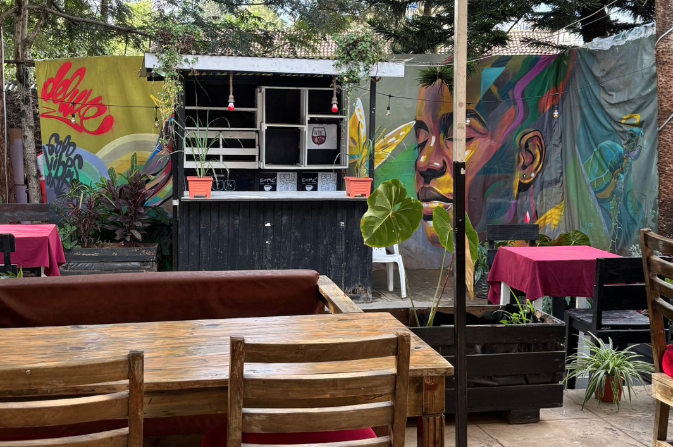 Exterior view of Curry Culture restaurant along Shiko Road in Kilimani, Nairobi /ASHA IBRAHIM



![[PHOTOS] The new Ngong –Naivasha Road viaduct](https://cdn.radioafrica.digital/image/2026/06/64d4f771-4432-4aee-ba3c-2f304c4436ec.jpg)











![[PHOTOS] 'Mr Speaker Sir' Gen Z protester in court](https://cdn.radioafrica.digital/image/2026/06/b3e62d8e-25c3-4780-90f9-4eb48b1ce8a7.jpg)