 Hantavirus/FILE
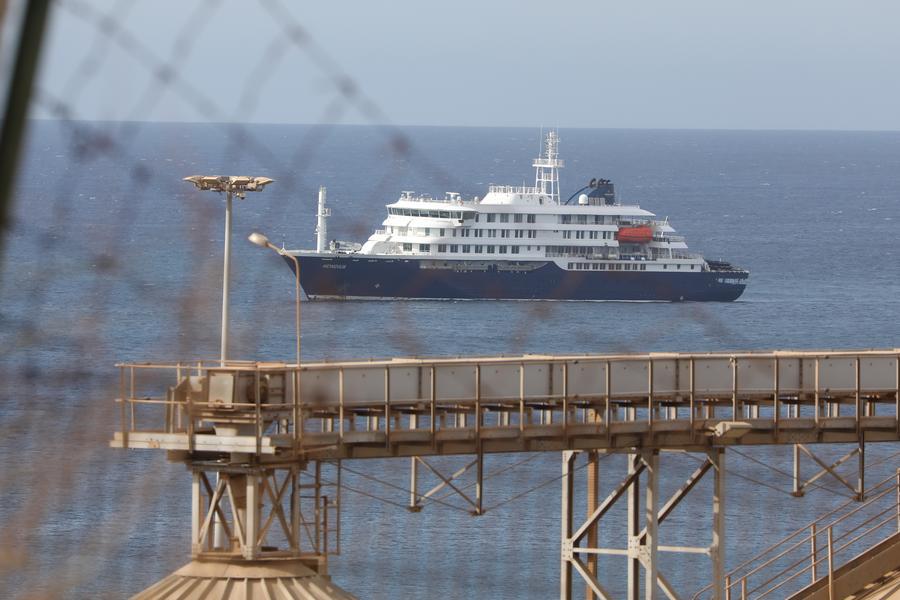
The World Health Organization (WHO) has confirmed that a hantavirus outbreak linked to a cruise ship has now risen to 11 cases, including three deaths, with health authorities warning that more infections could still emerge.
In its latest update on May 12, WHO said nine of the 11 cases have been confirmed while two remain probable, all involving passengers and crew aboard the MV Hondius, a Dutch-flagged cruise ship that has been under international monitoring since early reports of illness emerged.
“Update on #hantavirus: As of 12 May, 12h00 CEST, a total of 11 cases, including 3 deaths, have been reported. Nine of the 11 cases are confirmed, and the other 2 are probable,” WHO said.
The global health agency noted that the situation remains under close observation, warning that the confined environment of a ship and the virus’ incubation period could lead to additional cases being detected.
“We expect more cases given the dynamics of spread on a ship and the virus’ incubation period,” WHO said.
However, the organisation stressed that there is currently no evidence suggesting the outbreak is expanding beyond the vessel or evolving into a wider public health emergency.
“At the moment, there is no sign that we are seeing the start of a larger outbreak,” WHO added.
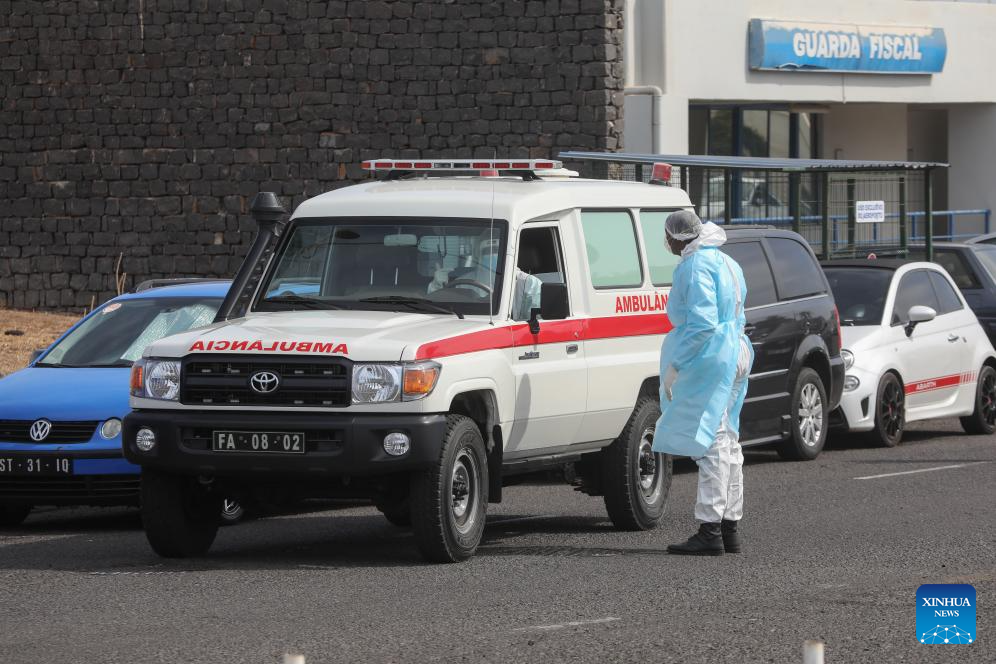
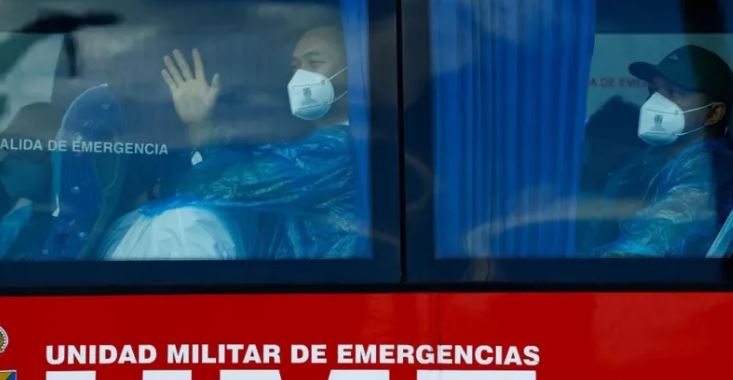
According to WHO, passengers and crew are being followed up in their respective countries of destination, with a 42-day quarantine period recommended from the date of departure from the ship.
Health authorities have been advised to monitor symptoms and ensure early detection of any new cases.
The outbreak was first reported through the International Health Regulations mechanism after several passengers developed severe respiratory illness while the ship was travelling in the Atlantic Ocean.
Early reports indicated eight cases, including three deaths, before the number was revised upward in the latest update.
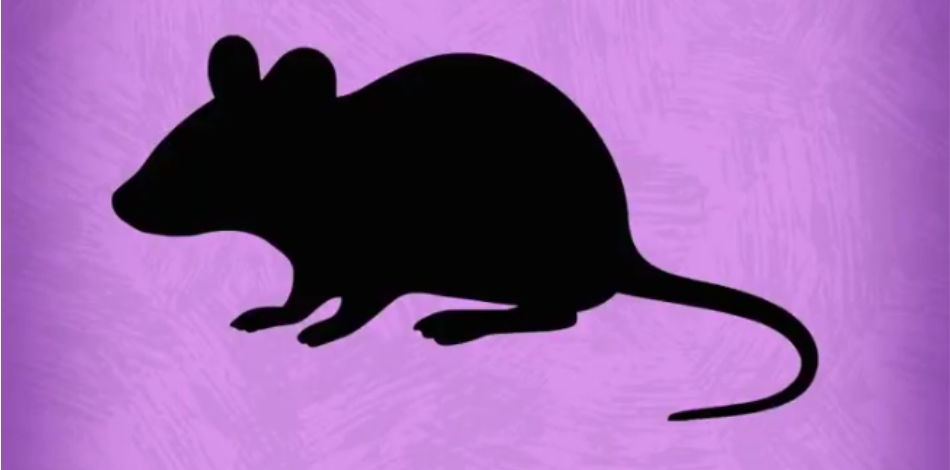
Hantavirus is a group of viruses primarily carried by rodents such as rats and mice. Human infection typically occurs through inhalation of contaminated dust or contact with rodent droppings, urine or saliva.
Some strains, including the Andes virus, can in rare cases spread between humans through close contact.
WHO Director-General Tedros Adhanom Ghebreyesus earlier said the organisation is working closely with international partners, governments and the ship’s operator to manage the situation and support affected individuals.
He said passengers and crew are undergoing monitoring in their respective countries and commended cooperation from those involved in managing the incident.
WHO has maintained that it is prioritising both containment and care, while also emphasising the importance of protecting the dignity and safety of those affected during the response.
The organisation said it will continue coordinating with relevant authorities to track potential cases and prevent further transmission.
The latest update comes as global health systems remain alert to emerging infectious disease threats, particularly those linked to international travel and confined environments such as ships, where transmission risks are higher.
In Kenya, health authorities have moved to reassure the public that no cases have been detected locally, while strengthening preparedness measures in response to the global alert.
On May 8, the Ministry of Health said the country was closely monitoring the situation and had activated precautionary systems to prevent possible importation of the virus.
“There are currently no reported cases in Kenya. The risk to the general public remains low. Health authorities are closely monitoring the situation and taking precautionary measures,” Director-General for Health Patrick Amoth said in a statement.
He added that screening and surveillance measures had been enhanced at all ports of entry, including airports and seaports, with health facilities placed on alert to identify any travellers presenting with symptoms consistent with hantavirus infection.
The Ministry also urged members of the public to observe basic hygiene practices and minimise exposure risks linked to rodents.
On May 9, Principal Secretary for Public Health and Professional Standards Mary Muthoni said counties had been instructed to heighten preparedness and strengthen infection prevention systems despite the low risk level.
“Following the reported hantavirus outbreak linked to a cruise ship abroad, counties are advised to enhance surveillance, activate emergency preparedness measures, and strengthen infection prevention and control systems,” Muthoni said.
She added that while the current global risk remains low, vigilance was necessary to ensure early detection and rapid response should any imported cases arise.
Hantavirus infections can present with flu-like symptoms such as fever, muscle aches, fatigue and headaches, but may progress to severe respiratory illness known as Hantavirus Pulmonary Syndrome (HPS), which can be fatal.
Kenya’s response reflects broader global preparedness efforts as health systems remain alert to emerging infectious disease threats following previous global outbreaks that exposed gaps in early detection and cross-border coordination.
Health officials have urged travellers returning from affected routes or cruise travel to monitor their health for up to eight weeks and seek immediate medical attention if symptoms such as fever or breathing difficulties develop.
As surveillance continues, authorities say Kenya’s focus remains on prevention, early detection and maintaining public awareness while avoiding unnecessary panic over the current risk level.

![[PHOTOS] The new Ngong –Naivasha Road viaduct](https://cdn.radioafrica.digital/image/2026/06/64d4f771-4432-4aee-ba3c-2f304c4436ec.jpg)








![[PHOTOS] 'Mr Speaker Sir' Gen Z protester in court](https://cdn.radioafrica.digital/image/2026/06/b3e62d8e-25c3-4780-90f9-4eb48b1ce8a7.jpg)