Silent officers beside Presidents: Inside the elite ADC role during State visits
ADCs are specially selected Kenya Defence Forces officers who coordinate protocol, security
by FELIX KIPKEMOI
Audio By Vocalize
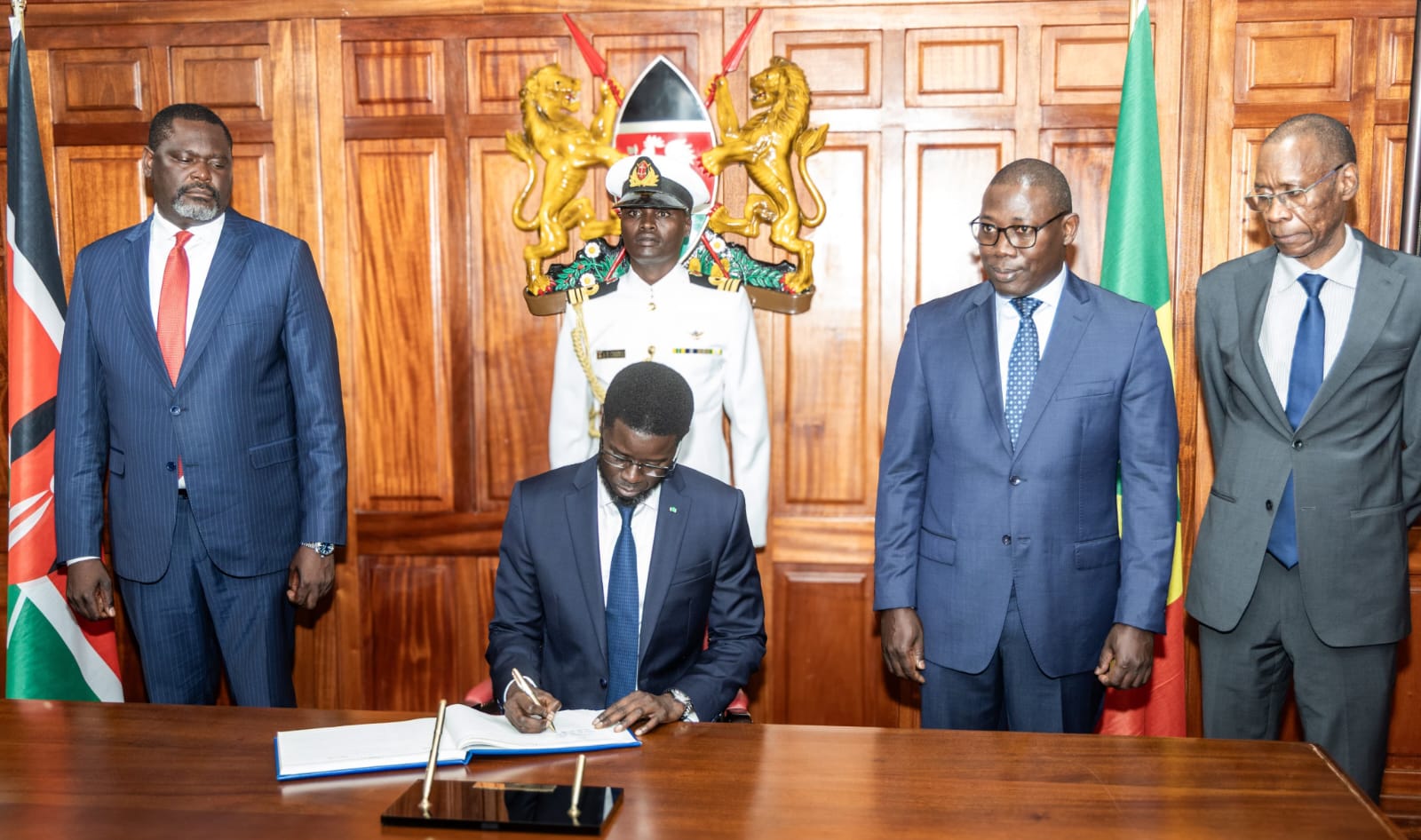
An ADC from Kenya Navy assigned to Senegalese President Diomaye Faye when he arrived at JKIA for the Africa Forward Summit on May 10, 2026/MFA
As motorcades snake through Nairobi under tight security, red carpets are rolled out at State House, and military bands stand at attention awaiting the arrival of foreign dignitaries. Behind these visible preparations, another less visible but critical operation unfolds.
Standing only a few steps behind visiting presidents during official engagements are specially appointed military officers known as Aides-de-Camp, commonly referred to as ADCs.
Though they rarely speak publicly, appear in official statements or attract media attention, ADCs are among the most trusted and strategically positioned officers during high-level diplomatic visits.
They serve as the link between military precision, presidential coordination, security planning and diplomatic protocol.
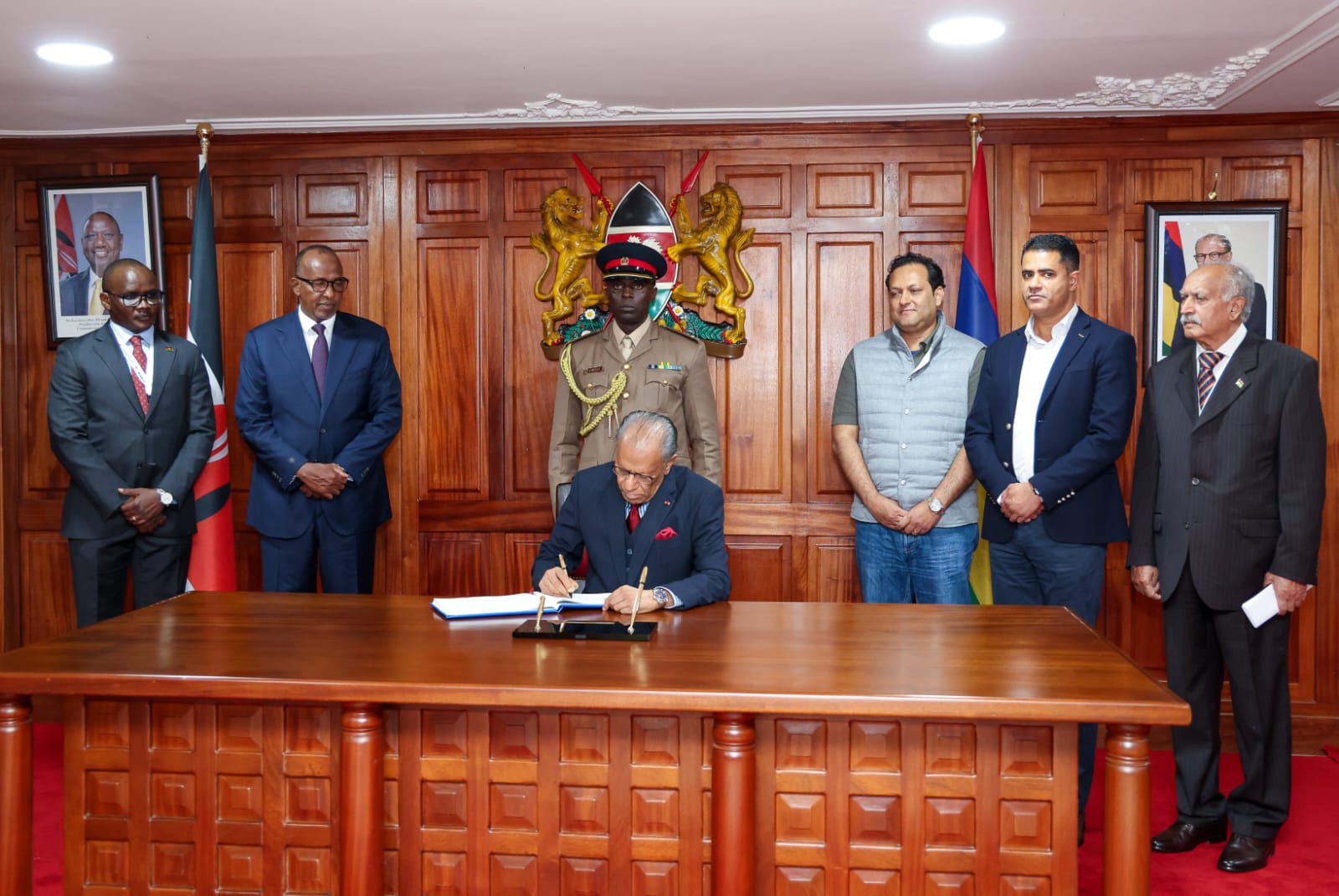
Whenever a foreign Head of State visits Kenya for a State visit, bilateral engagement, summit or major international conference, military protocol provides for the assignment of a Kenya Defence Forces officer to temporarily serve as the visiting dignitary’s ADC throughout the duration of the stay.
Within military circles, the appointment is regarded as both prestigious and highly demanding. The role is often assigned to carefully selected officers, frequently of the rank of Major, although the rank may vary depending on the assignment and the stature of the visiting dignitary.
To the public, ADCs may appear as sharply dressed officers standing behind presidents during ceremonies or walking beside them at official events.
However, behind that disciplined appearance lies an assignment that requires strong organisational ability, diplomatic awareness, attention to detail and the capacity to operate under significant pressure.
An ADC’s responsibilities extend far beyond ceremonial duties. From the moment a foreign leader lands at Jomo Kenyatta International Airport (JKIA), the ADC effectively becomes part of the dignitary’s inner coordination structure.
The officer accompanies the visiting leader throughout official engagements, ensuring movements, schedules and procedures are executed seamlessly. At the airport, where military honours are accorded to visiting Heads of State, ADCs play a key role in coordinating transitions between reception teams, protocol officers, security personnel, convoy units and official hosts.
Once the dignitary leaves the airport, the officer remains constantly present throughout the visit. Whether attending bilateral talks, memorial ceremonies, military inspections, investment forums, State banquets, media briefings or summit sessions, the ADC ensures coordination between multiple agencies involved in hosting the dignitary.
The officer works closely with Kenya’s Ministry of Foreign Affairs, presidential protocol teams, intelligence services, security commanders and the visiting delegation’s officials to ensure engagements proceed according to diplomatic and military procedure.
During official functions, ADCs are often seen discreetly standing behind the visiting leader, carrying briefing documents, relaying schedules, coordinating movement timing or communicating with advance security teams. Their work remains largely invisible to the public, as efficiency and discretion are central to the assignment.
Retired military officers describe ADC duty as one of the most delicate responsibilities an officer can undertake. Unlike conventional military deployments, the role requires officers to operate in highly sensitive diplomatic environments where protocol errors, delays or coordination failures can have international implications.
“An ADC must think ahead at all times,” said one retired senior military officer familiar with state protocol operations.
“You are constantly anticipating movement, timing, security requirements, diplomatic sensitivities, and even cultural considerations.”
The assignment also demands strong emotional discipline. ADCs are expected to maintain composure regardless of fatigue, schedule disruptions, security pressures or unexpected diplomatic developments.
International summits often involve packed schedules stretching late into the night, with last-minute programme adjustments being common.
An officer may escort a visiting president through multiple events across Nairobi within a single day while coordinating with security units, traffic control teams, protocol departments and foreign advance teams.
Appearance and conduct are equally important. Military officers selected for ADC duties are expected to project confidence, discipline, professionalism and exemplary military bearing at all times. Their conduct reflects not only on the Kenya Defence Forces but also on the Kenyan state.
Within the military, officers chosen for such assignments are generally viewed as highly dependable and professionally mature. Selection is typically meticulous, with commanders considering communication skills, organisational competence, leadership qualities, diplomatic awareness and ability to function under pressure.
For younger officers, the assignment is regarded as a rare professional opportunity. Serving closely alongside Heads of State exposes them to high-level diplomacy, executive coordination, international relations and multinational security operations in ways few other military roles offer.
Many officers who have previously served as ADCs later rise to senior leadership positions within the military or public service, partly due to the exposure and experience gained.
The responsibilities become even more complex during large international gatherings hosted by Kenya. With Nairobi increasingly positioning itself as a regional diplomatic hub, the country frequently hosts continental conferences, peace negotiations, trade summits and multilateral meetings involving multiple Heads of State simultaneously.
In such settings, the number of officers assigned ADC duties increases significantly. The ongoing Africa Forward Summit 2026 in Nairobi has again placed Kenya Defence Forces officers at the centre of complex international coordination efforts, as leaders from across the continent converge for high-level discussions on trade, governance, security and regional cooperation.
Each visiting leader arrives with unique schedules, preferences, diplomatic priorities and security requirements. Some delegations move with extensive advance teams and elite security details, requiring careful coordination with Kenyan authorities.
ADCs, therefore, serve as key operational links between host-country agencies and visiting delegations.
Security coordination remains one of the most sensitive aspects of the assignment. While foreign leaders often travel with their own close-protection units, Kenya remains responsible for overall security during the visit. ADCs help facilitate communication between foreign security personnel and Kenyan agencies to ensure seamless operations without compromising diplomatic protocol.
Despite the prestige associated with the role, officers serving as ADCs are trained to remain unobtrusive. The assignment is not about public recognition but about ensuring visiting dignitaries can focus on official business without operational distractions.
Their success is often measured by how smoothly events proceed without attracting attention.
Beyond logistics and security, the role also carries symbolic importance. The presence of disciplined military officers accompanying foreign leaders reinforces the dignity of State visits and reflects Kenya’s institutional capacity to host high-level international engagements with professionalism and order.
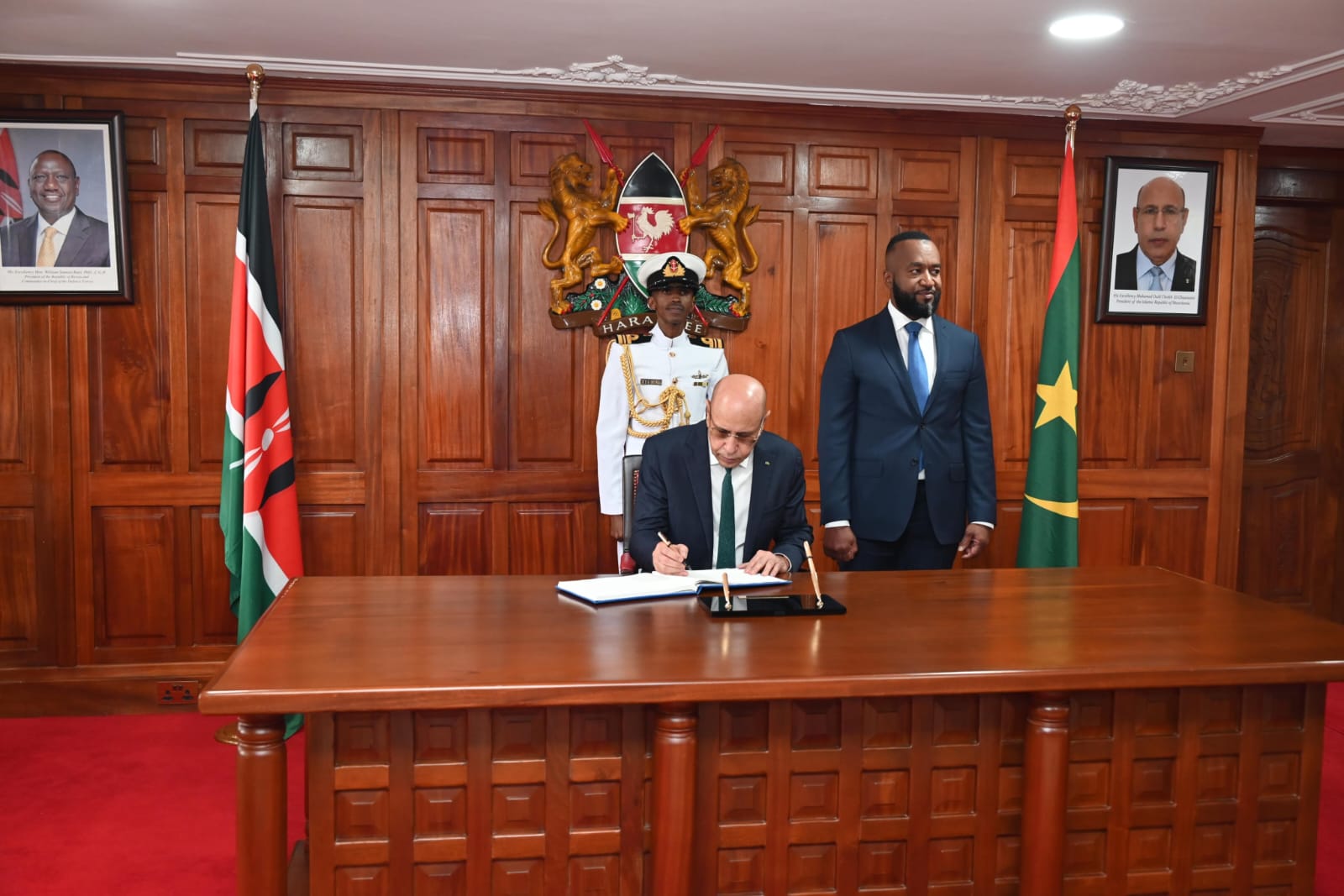
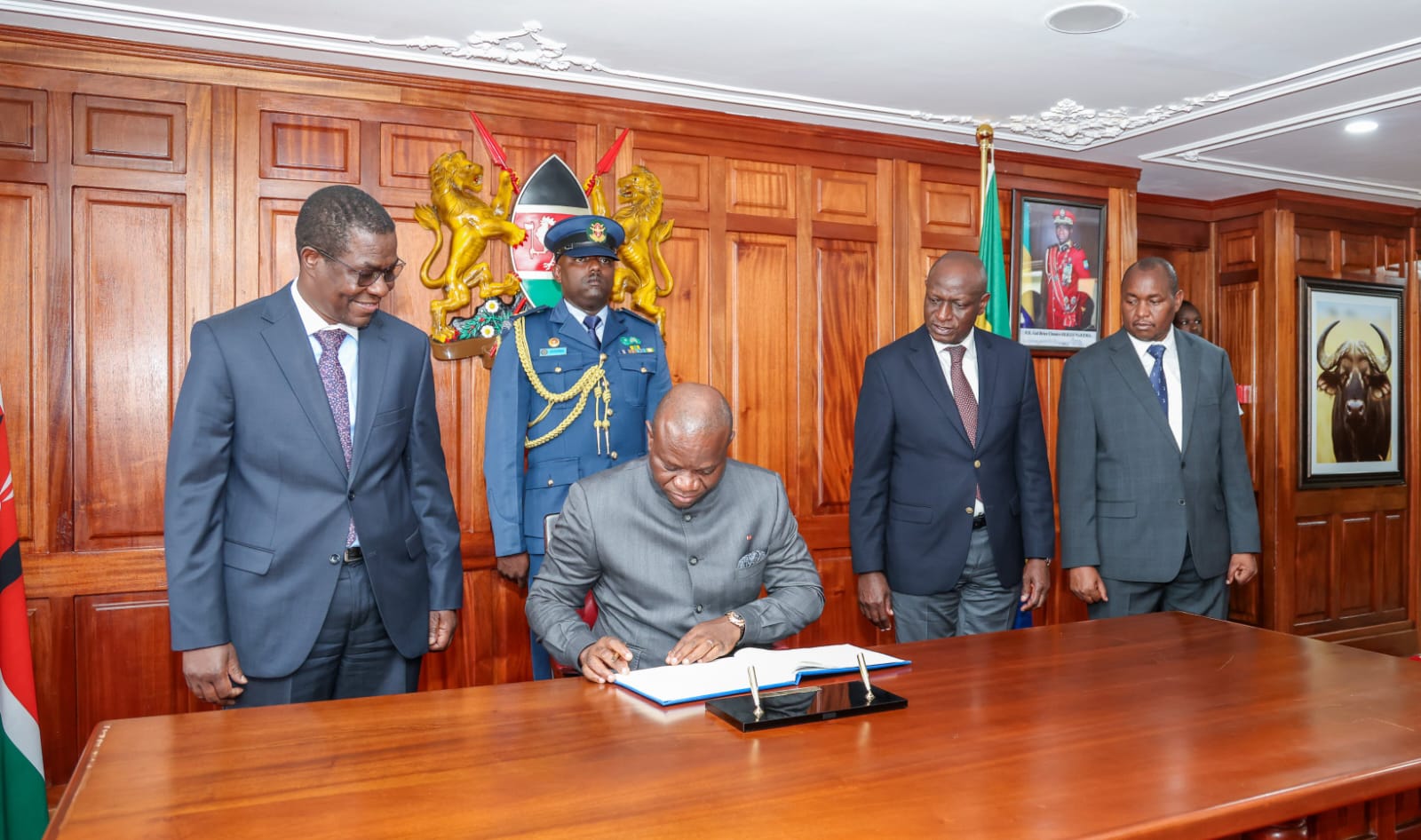
Mauritanian President Mohamed Ghazouani signs a book at the JKIA as Mining Cabinet Secretary Hassan Joho looks on on May 10, 2026/MFAA Kenya Air Force ADC stands guard as Gabon President Brice Nguema signs a book at JKIA on May 10, 2026/MFAMauritius President with his ADC from the Kenya Army and other officials at JKIA on May 10, 2026/MFA
This is premium content
Subscribe to Continue Reading
Help us continue bringing you unbiased news, in-depth investigations, and diverse perspectives. Your subscription keeps our mission alive and empowers us to provide high-quality, trustworthy journalism. Join us today to make a difference!




![[PHOTOS] The new Ngong –Naivasha Road viaduct](https://cdn.radioafrica.digital/image/2026/06/64d4f771-4432-4aee-ba3c-2f304c4436ec.jpg)





![[PHOTOS] 'Mr Speaker Sir' Gen Z protester in court](https://cdn.radioafrica.digital/image/2026/06/b3e62d8e-25c3-4780-90f9-4eb48b1ce8a7.jpg)