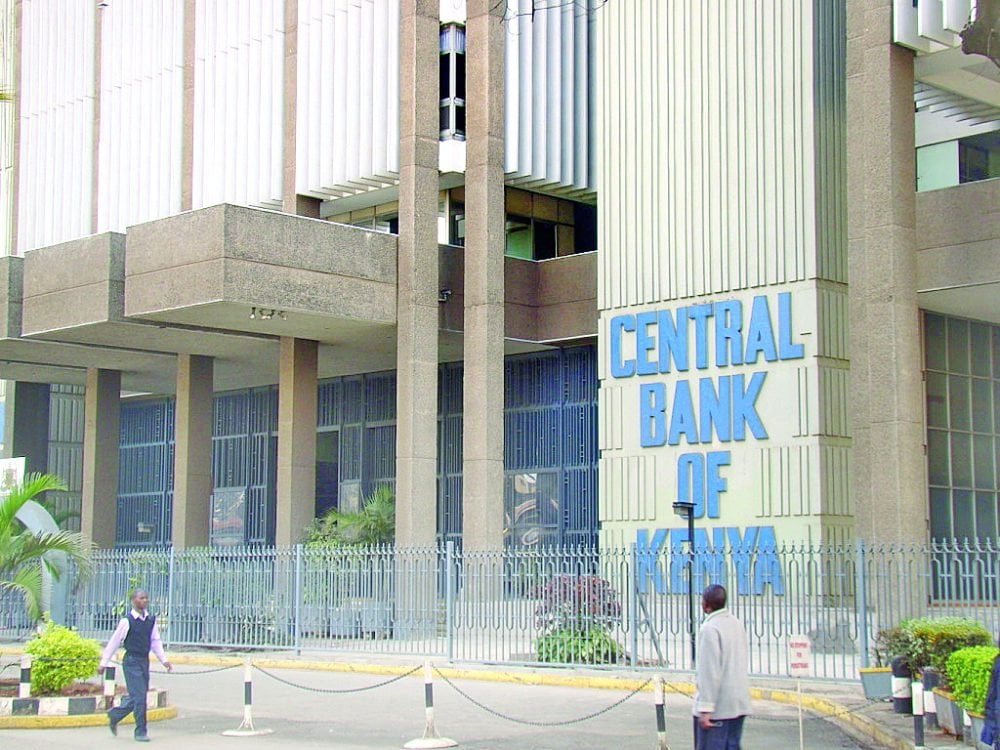
 The Central Bank of Kenya (CBK)
Digital lenders in Kenya are increasingly tightening customer verification requirements as they move to comply with stricter regulations introduced by the Central Bank of Kenya (CBK), signalling a new phase of oversight in the country’s fast-growing mobile credit market.
The latest push has seen lenders ask borrowers to update and verify their personal details, including submitting valid national identification documents and live selfies, before they can continue accessing loans and other services.
The measures stem from the implementation of the CBK Act (Amendment) 2021 and the Digital Credit Providers Regulations 2022, which brought digital lenders under the direct supervision of the Central Bank for the first time.
Under the law, digital credit providers are required to establish and verify the identity of customers before offering financial services.
The regulations were introduced to address rising concerns over predatory lending, misuse of customer data, opaque pricing models and aggressive debt collection practices that had become common among unregulated mobile loan apps.
The law further requires lenders to assess a borrower’s ability to repay before advancing credit facilities, effectively outlawing reckless digital lending practices that had previously fueled over-indebtedness among low-income borrowers.
Industry players say the enhanced Know Your Customer (KYC) requirements are part of broader efforts to improve consumer protection, strengthen anti-money laundering compliance and reduce fraud in the sector.

The lender said customers would now be required to submit a valid National ID and capture a live selfie through the mobile application as part of the verification process.
Speaking on the update, Tala Senior Compliance and Ethics Manager Tabby Mugechi said the move was aimed at enhancing account security while ensuring compliance with regulatory requirements.
“Your safety is our priority. Completing your KYC requirements, including submitting a valid ID and taking a quick selfie, is the simplest way to protect your account,” Mugechi said.
“This crucial consumer protection step helps shield you from fraud and ensures secure, seamless access to all the Tala services you rely on,” she added.
Tala said customers can update their information directly through the app, reaffirming the lender’s commitment to building what it termed a safe, inclusive, and trusted digital financial ecosystem.
The tighter compliance requirements come at a time when regulators are seeking to deepen oversight of non-bank lenders amid the rapid expansion of digital credit in Kenya.
Before the introduction of the 2021 amendments, many mobile lenders operated outside CBK supervision, allowing some firms to exploit regulatory gaps through hidden charges, abusive recovery tactics, and unauthorised sharing of customer information with credit reference bureaus.
The Digital Credit Providers Regulations 2022 introduced licensing requirements for all digital lenders and imposed strict standards on data protection, transparency in loan pricing, ethical debt collection practices, and anti-money laundering controls.
Lenders are also prohibited from using threatening, defamatory or humiliating methods to recover loans, a practice that had triggered widespread public complaints in previous years.
The regulatory environment is expected to become even stricter under the proposed Draft Non-Deposit-Taking Credit Providers Regulations 2025, which seek to tighten governance, consumer protection and risk management standards across the broader credit industry.
The proposed rules are expected to introduce tougher disclosure requirements, stronger affordability assessments, enhanced reporting obligations and more rigorous oversight of lending models driven by artificial intelligence and automated decision-making systems.
The draft regulations also seek to strengthen accountability among directors and senior managers of credit firms while giving regulators wider powers to enforce compliance and protect consumers from exploitative lending practices.
The reforms come as digital lending continues to play an increasingly central role in Kenya’s financial ecosystem, particularly among individuals and small businesses with limited access to traditional bank credit.
Industry data shows that by February this year, digital lenders had disbursed close to 7.5 million loans valued at Sh133.5 billion, underlining the sector’s growing importance in driving financial inclusion and short-term credit access.
Players in the sector say that while tighter regulations could initially slow loan approvals and increase compliance costs for lenders, the reforms are likely to improve trust, stability, and sustainability in the sector over the long term.



![[PHOTOS] The new Ngong –Naivasha Road viaduct](https://cdn.radioafrica.digital/image/2026/06/64d4f771-4432-4aee-ba3c-2f304c4436ec.jpg)










![[PHOTOS] 'Mr Speaker Sir' Gen Z protester in court](https://cdn.radioafrica.digital/image/2026/06/b3e62d8e-25c3-4780-90f9-4eb48b1ce8a7.jpg)