The lawmakers are pushing for counties to receive 49 per cent of the fund, arguing that devolved units shoulder a huge burden in maintaining
feeder and access roads across the country.
They insist that increased funding would help improve road
networks at the grassroots and ease pressure on county budgets.
The Senate Committee on Roads, Transportation and Housing proposed
that county governments receive 49 per cent of the fuel levy allocation under
the proposed Roads Act (Amendment) Bill, 2025.
The Bill is currently undergoing public participation.
Under the committee’s
proposal, the national government would receive 51 per cent of the fuel levy
while county governments would receive 49 per cent.
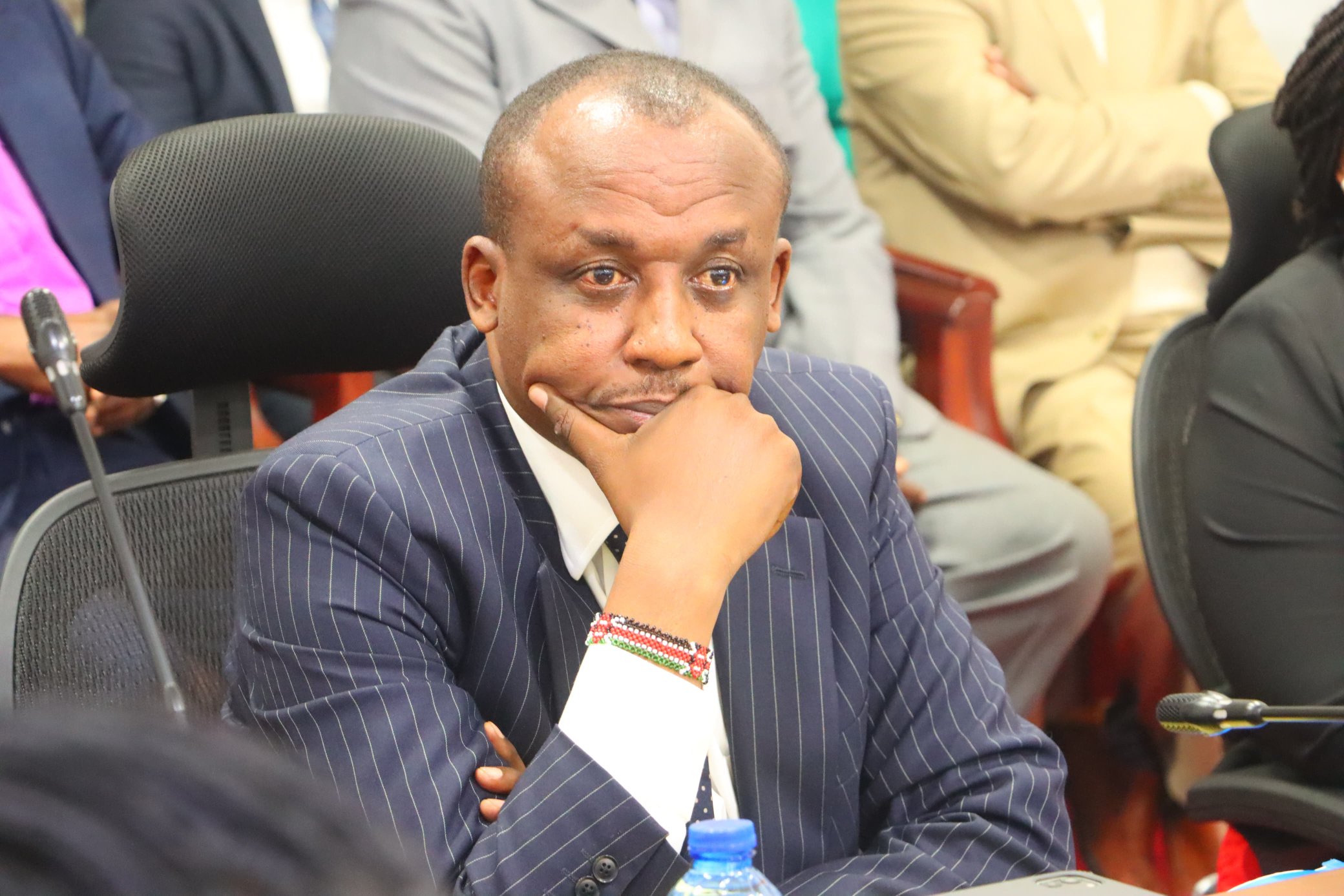
“All the functions that were being performed by KeRRA and a
larger part of KURA are now functions of the county governments therefore, the
resources should follow the functions,” the committee, chaired by Migori Senator
Eddy Oketch, proposed.
The committee further proposed that the national
government’s 51 per cent share be distributed among national agencies, with
Kenya National Highways Authority receiving 38 per cent, Kenya Urban
Roads Authority four per cent, the Kenya Roads Board 2 per cent, Kenya
Wildlife Service one per cent and the Department of Roads and Committee on Roads
receiving six per cent.
Under the county allocation framework, county rural roads
would receive 32 per cent, county urban roads 10 per cent and roads committees
seven per cent.
The committee also resolved that funds should be allocated
directly from the Fuel Levy Fund rather than through the Kenya Roads Board
Fund.
“The committee will be moving a consequential amendment to the
RMLF Act to reflect these changes,” Oketch stated.
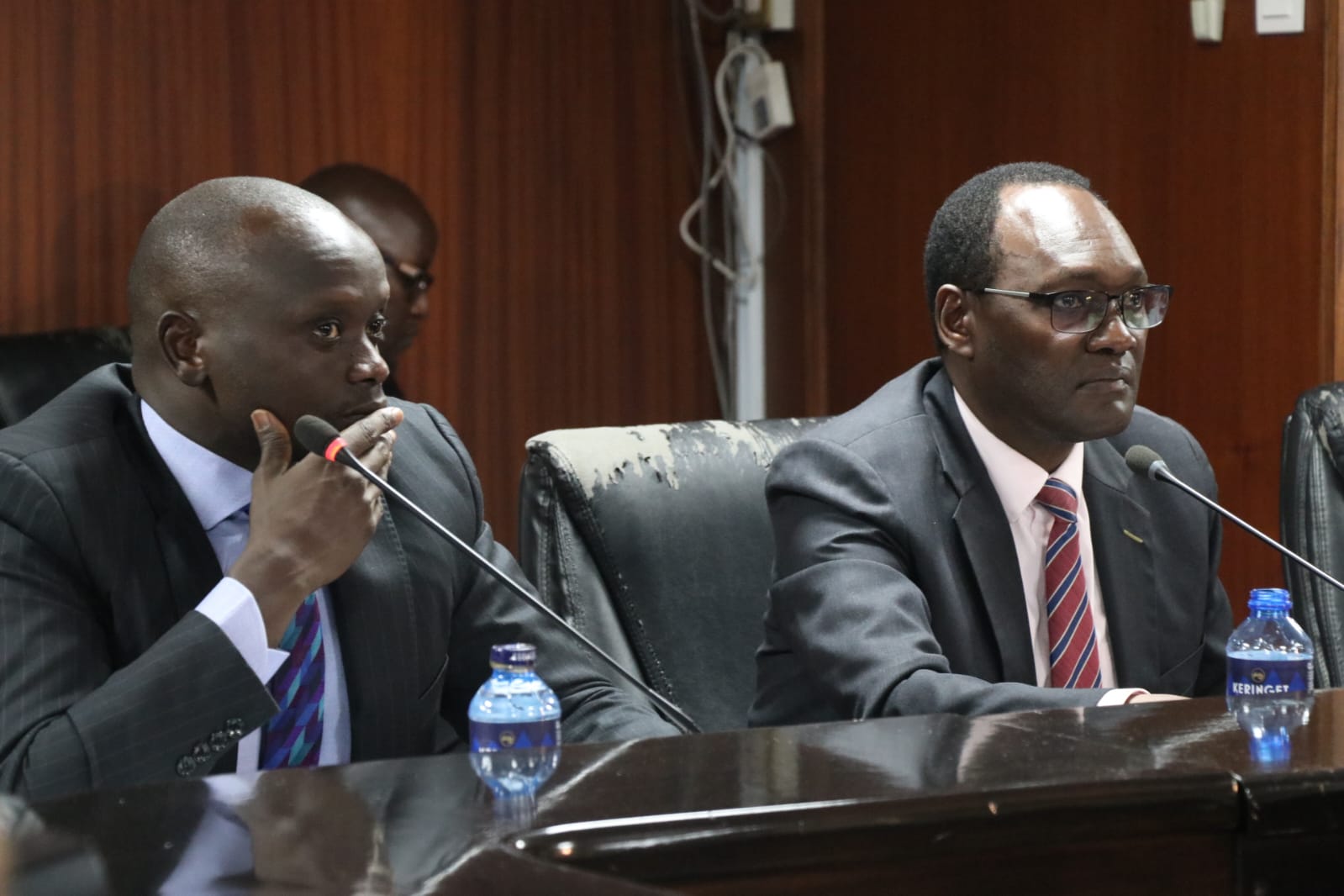
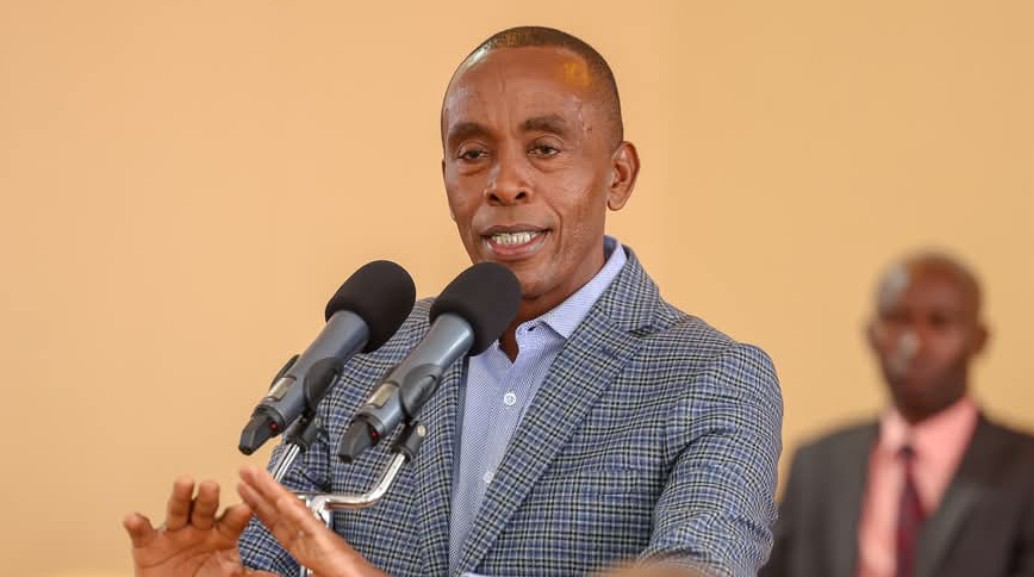
However, Roads Cabinet Secretary Davis Chirchir opposed the
proposal, maintaining that counties should only receive 15 per cent of the levy.
He argues that the bulk of the fund
should remain under national agencies tasked with maintaining major highways
and strategic roads.
Chirchir defended a scientific allocation model based on
traffic volumes, road condition, network type and asset value.
He argued that although county roads account for nearly 76
per cent of the country’s road network by length, national trunk roads carry
the bulk of motorised traffic and require significantly higher maintenance
costs.
“The ministry recommends that county governments be
expressly recognised as beneficiaries of the RMLF,” Chirchir stated.
He proposed an allocation of 84.98 per cent to national
trunk roads and 15.02 per cent to counties.
The CS also proposed a classification system
dividing roads into national trunk roads under Classes S, A, B and C and county
roads under Classes D, E, F and G.
However, the Senate Committee rejected the proposed
structure, saying it was too complicated.
“The Committee resolved that the current classification of
roads as proposed by the ministry is too complicated and therefore there is a
need to come up with a simpler way of classifying roads that takes into
consideration usage rather than location,” the Committee stated.
The deliberations come against the backdrop of the High
Court judgment delivered in June 2025 in the case of Issa Elanyi Chemao &
Others v National Assembly & Others, which declared that county governments
should be recognised as beneficiaries of the Road Maintenance Levy Fund.
The Court of Appeal later suspended implementation of the
judgment for 12 months to allow Parliament to align existing laws with the
Constitution.
The Roads Act (Amendment) Bill, 2025, is expected to trigger
major changes in the management, classification and financing of roads across
the country once Parliament concludes deliberations on the proposals.




![[PHOTOS] The new Ngong –Naivasha Road viaduct](https://cdn.radioafrica.digital/image/2026/06/64d4f771-4432-4aee-ba3c-2f304c4436ec.jpg)








![[PHOTOS] 'Mr Speaker Sir' Gen Z protester in court](https://cdn.radioafrica.digital/image/2026/06/b3e62d8e-25c3-4780-90f9-4eb48b1ce8a7.jpg)