Experts say
it is the first air they breathe, which contains exhaust fumes, road dust, and smoke
from rubbish fires drifting through the window.
Researchers from the University of Nairobi say the air many babies breathe in their homes in Nairobi is three
times above WHO safe pollution limits.
The air is bad even where families use
clean fuels such as LPG, ethanol or electricity instead of charcoal and
firewood.
“Both the indoor and outdoor PM2.5
concentrations we measured were often above WHO Air Quality Guidelines,
including in homes using clean fuels. These findings highlight the importance
of improving indoor air quality, given that caregivers and infants spend much
of their time indoors, which increases their exposures and potential health
risks,” the authors said.
Vincent Kipter from the UoN’s Department
of Chemistry helped monitor air pollution inside and outside 48 homes in
Nairobi’s Eastlands area as part of his PhD studies.
Kipter and his colleagues visited
homes with babies and placed air monitors inside cooking areas and just outside
the houses for 24 hours.
Half of the homes were one-room with only one
external door, and nearly all were located in multi-storey flats.
They then measured levels of PM2.5
and carbon monoxide, a poisonous gas produced during burning.
PM2.5 refers to extremely tiny
particles released from smoke, dust and fuel combustion. The tiny particles can
travel deep into the lungs and bloodstream and are linked to asthma, pneumonia
and poor brain development in children.
Mothers were also interviewed about
cooking fuels, rubbish burning, nearby traffic, smoking and ventilation in the
home.
The researchers found that babies
are not safe in and outside their homes. They found 97 per cent of indoor air
samples had levels of the PM2.5 particle pollution thrice above the WHO safety
guideline. Outside the homes, 79 per cent of air samples also exceeded safe
limits.
“Our results
indicate that indoor air quality is a concern for infant health in Nairobi
despite the use of clean household fuels. Most of the homes we sampled were
only one or two rooms, where the infants likely spend much of their time, which
may lead to high exposures and health burden.”
The findings have been
published in PLOS Global Public Health in a paper
titled, “Indoor and outdoor fine particulate matter and carbon monoxide
concentrations in homes of infants in Nairobi, Kenya.”
During the study period, 67 per cent
of mothers reported using LPG for cooking, 19 per cent used ethanol and 10 per
cent used electricity. Yet dirty air remained a major problem.
The study found that even homes
using electricity alone still recorded pollution above WHO guidelines. “The
three homes who reported using electricity and no other fuels during sampling
had lower indoor PM2.5 compared to homes burning solid or liquid fuels,” the
researchers wrote. “However, their geometric mean still exceeded the WHO air
quality guidelines.”
Carbon monoxide (CO) levels were
also worrying in some homes, especially during cooking times. Although average
levels were generally low, several homes recorded dangerous spikes that
exceeded WHO limits.
The findings come as Kenyan doctors
increasingly warn about respiratory illnesses linked to Nairobi’s poor air
quality.
Paediatric lung specialist Dr Justus Simba warned that breathing dirty air
at a young age can increase the risk of pneumonia, asthma, coughing and other
breathing problems, while long-term exposure has also been linked to poor brain
development and learning difficulties.
Dr Simba, also a senior lecturer at
the Department of Child Health and Paediatrics at Jomo Kenyatta University of Science and Agriculture, attributed the higher
risk to prolonged exposure to air pollution in the city.
“There is a lot of global evidence
showing that children’s lungs are affected when they live in polluted
environments. Studies have also looked at patients, and as a lung specialist, I
can say that the key change needed is either reducing pollution or moving them
to cleaner areas,” he said during last year’s Clean Air Forum in Nairobi.
“From a clinical perspective as a
paediatrician, I’ve seen cases where simply relocating a child from one side of
the city, especially from more polluted areas, leads to an improvement in
symptoms.”



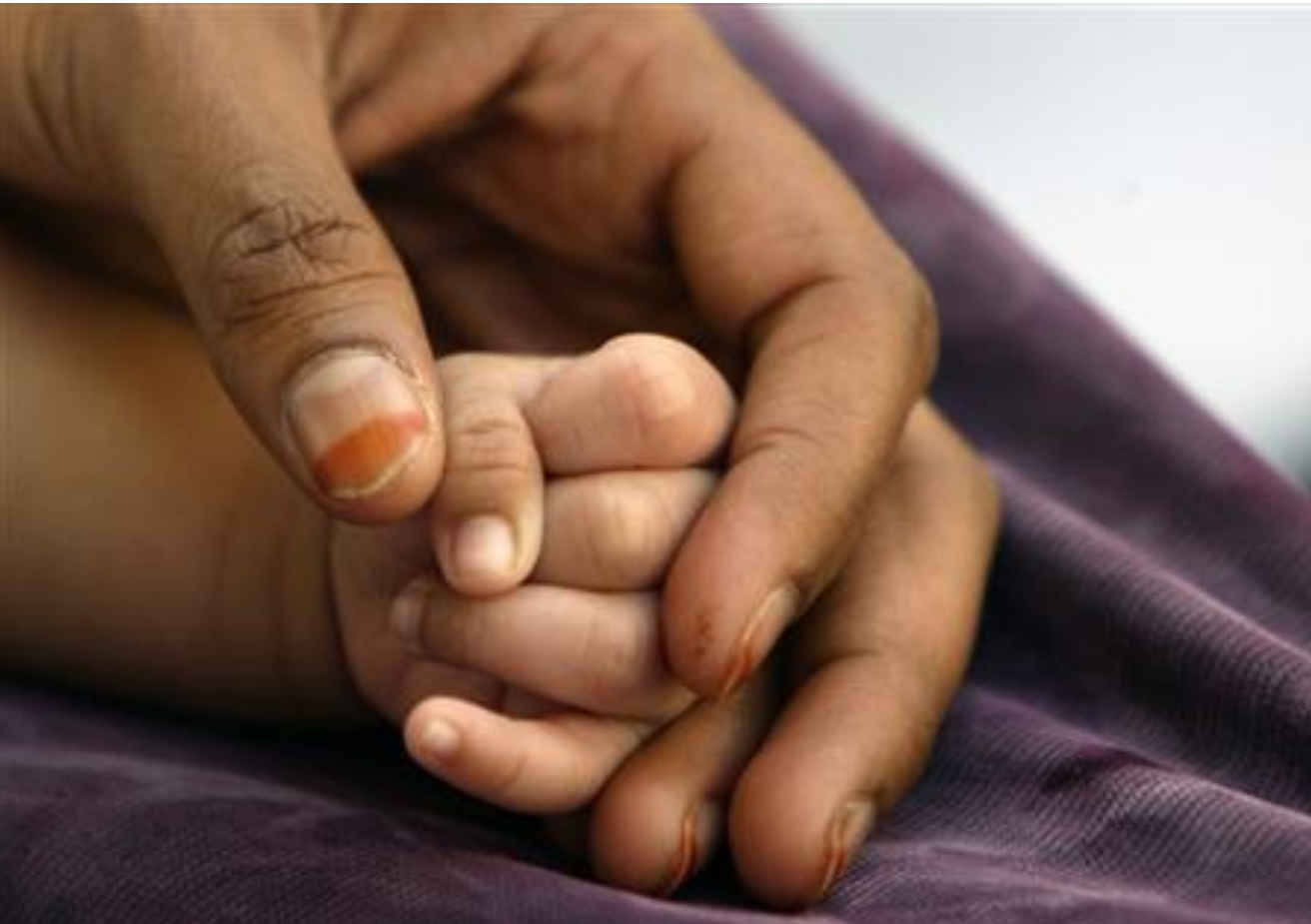 Researchers from the University of Nairobi say the air many babies breathe inside their homes in Nairobi is three times above WHO safe pollution limits.

![[PHOTOS] The new Ngong –Naivasha Road viaduct](https://cdn.radioafrica.digital/image/2026/06/64d4f771-4432-4aee-ba3c-2f304c4436ec.jpg)








![[PHOTOS] 'Mr Speaker Sir' Gen Z protester in court](https://cdn.radioafrica.digital/image/2026/06/b3e62d8e-25c3-4780-90f9-4eb48b1ce8a7.jpg)