Report reveals how SDA church members were drawn into botched investment scheme
One sold a plot, another a cow to invest. Minimum amount one required to join the scheme was Sh40,300
by GEOFFREY MOSOKU
Audio By Vocalize
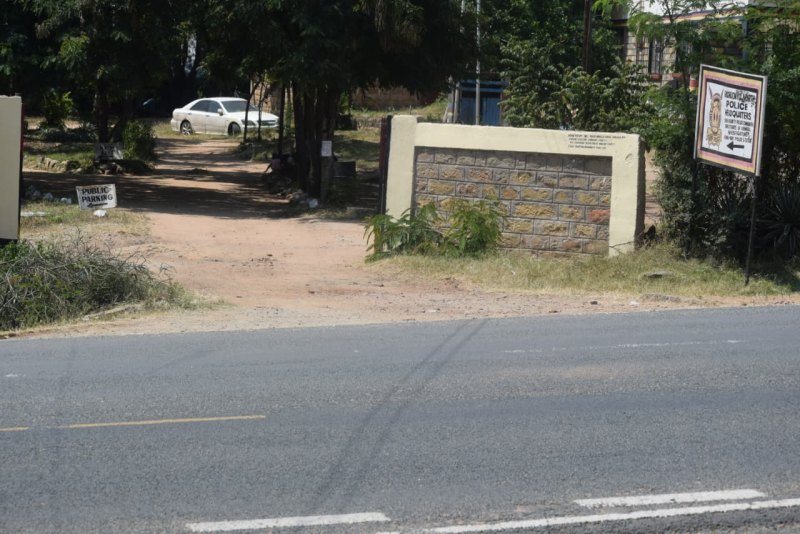
A section of the East-Central Africa Division headquarters, Ongata Rongai, Nairobi, Kenya/COURTESY
A task force appointed to investigate activities linked to a cryptocurrency investment scheme that affected members of the Seventh-day Adventist (SDA) Church has detailed how some members were recruited and later suffered financial losses.
According to the findings by the 13-member committee, chaired by Dr Gideon Mutero of the church’s General Conference in the United States, both serving and retired church leaders were linked to the promotion of the investment activities, with the commission stating that members were influenced by the trust they had in church leadership.
Witnesses who appeared before the commission said the involvement of senior church figures gave the scheme an appearance of credibility.
The report also states that some promoters displayed registration documents to potential participants as evidence that the business was registered in Kenya.
The commission reviewed documents indicating that the wealth-sharing group had been registered as a company in April 2025. According to the report, the company records listed one individual as the sole shareholder and director. The report further states that the company’s registered postal address matched that of the Central Kenya Conference (CKC).
According to the report, several individuals who appeared before the commission said they lost money after investing in the scheme, while others spoke of strained family relationships and financial hardship following the collapse of the venture.
One elderly woman reportedly told the commission that she sold land in order to invest Sh300,000 in the scheme, but later lost the money.
Another woman from Athi River, speaking through her brother, said she was introduced to the investment opportunity by a pastor known to the family. She told the commission she lost Sh40,000. The report states that the losses later affected her relationship with her husband.
A woman from Nakuru who appeared before the commission said participants were encouraged to recruit more people with the promise of higher returns and increased earnings.
According to testimonies presented before the commission, some people sold property or livestock to raise money for the investment, while others borrowed funds from savings groups.
The report states that the minimum amount required to join the scheme was Sh40,300, with promises that returns would double after 45 days.
Some witnesses told the commission they later struggled to repay borrowed funds after the scheme collapsed.
In one case presented before the commission, household goods that had been used as security for a loan were reportedly repossessed after default.
The commission also heard claims that some families experienced emotional and financial distress following the losses linked to the investment activities.
The commission said the scheme had caused "significant social turmoil." It added that "the extent of the social impact cannot be fully estimated because many affected individuals did not find an opportunity to appear before the Commission to narrate their stories."
The report further indicates that some churches experienced reduced tithe remittances following concerns raised by members after the investment controversy.
According to the commission, at least one church reportedly withheld remitting trust funds to the local conference due to concerns over leadership accountability.
The report states that the investment activities were promoted under a wealth-sharing group and that some promotional activities took place through church-related platforms, including camp meetings and other gatherings.
In its recommendations dated April 15, 2026, the commission proposed the establishment of a Ministerial Ethics Committee by the East-Central Africa Division (ECD) in consultation with the General Conference Ministerial Department. The committee would review allegations of unethical conduct and involvement of ministers in personal business ventures considered inconsistent with church expectations.
The report also recommended regular ethics training for ministers and proposed that retired ministers be held to the same ethical standards as active clergy.
In addition, the commission recommended an independent audit into alleged financial irregularities within the East Kenya Union Conference (EKUC) and Central Rift Valley Conference (CRVC), with the findings to be handled by the relevant church governing bodies.
The task force further proposed that church leadership in Kenya issue a public statement distancing the church from the said company and its activities and any other similar investment schemes.
This is premium content
Subscribe to Continue Reading
Help us continue bringing you unbiased news, in-depth investigations, and diverse perspectives. Your subscription keeps our mission alive and empowers us to provide high-quality, trustworthy journalism. Join us today to make a difference!


 A section of the East-Central Africa Division headquarters, Ongata Rongai, Nairobi, Kenya/COURTESY


![[PHOTOS] The new Ngong –Naivasha Road viaduct](https://cdn.radioafrica.digital/image/2026/06/64d4f771-4432-4aee-ba3c-2f304c4436ec.jpg)






![[PHOTOS] 'Mr Speaker Sir' Gen Z protester in court](https://cdn.radioafrica.digital/image/2026/06/b3e62d8e-25c3-4780-90f9-4eb48b1ce8a7.jpg)