The revised rates, which had been put on hold due
to the legal challenge, are now expected to take effect immediately, paving the
way for thousands of public servants working in designated hardship areas to
earn higher allowances.
“SRC approved new rates of hardship allowance in
the public service subject to the gazettment of the new hardship areas by the
Ministry of Public Service and Delivery Management,” read part of the letter by
SRC to the ministry.
According to the letter dated May 13, 2024, civil servants in job group T are the major
beneficiaries with those in the moderate hardship areas taking home Sh63,000
monthly while in extreme areas take home is Sh66,150.
Currently officers in the job group get Sh60,000 in
the hardship allowance.
For job group S, the pay rises from Sh45,000 to
Sh51,750 (moderate hardship) and Sh54,338 (extreme hardship ) while in group R
officers moves from Sh38,100 to Sh43,815 (moderate) and Sh50, 387
(extreme).
In group Q, workers get Sh36,225 (moderate) and Sh41,659
(extreme) from the current Sh31,500 while group P takes home Sh31, 395
(moderate) and Sh36,104 (extreme) from Sh27,300.
In job group N, SRC is proposing an increase to Sh19,665
(moderate) and Sh22,615 (extreme), they used to get a flat rate of Sh17,100.
Workers in job group M will take home Sh16,848
(moderate) and Sh19,375 (extreme) from Sh14,650.
From the SRC submission, civil servants in the
lowest grade, job group A, will have their hardship allowance climb to Sh3,360
(moderate) and Sh4,032. They used to receive Sh2,800.
SRC officials said the adjustments are aimed at
better compensating employees serving in difficult conditions, while also
improving retention and motivation in remote and underserved regions.
The court’s decision to throw out the petition
effectively clears the final hurdle for implementation, marking a significant
relief for workers who had been awaiting the outcome.
The development comes even as calls intensify for a
comprehensive review of hardship area classifications to ensure that only
deserving regions benefit from the enhanced allowances.
MPs on Thursday raised concerns over what they
termed as an irregular and unfair categorisation of hardship areas, demanding
an immediate overhaul of the current list.
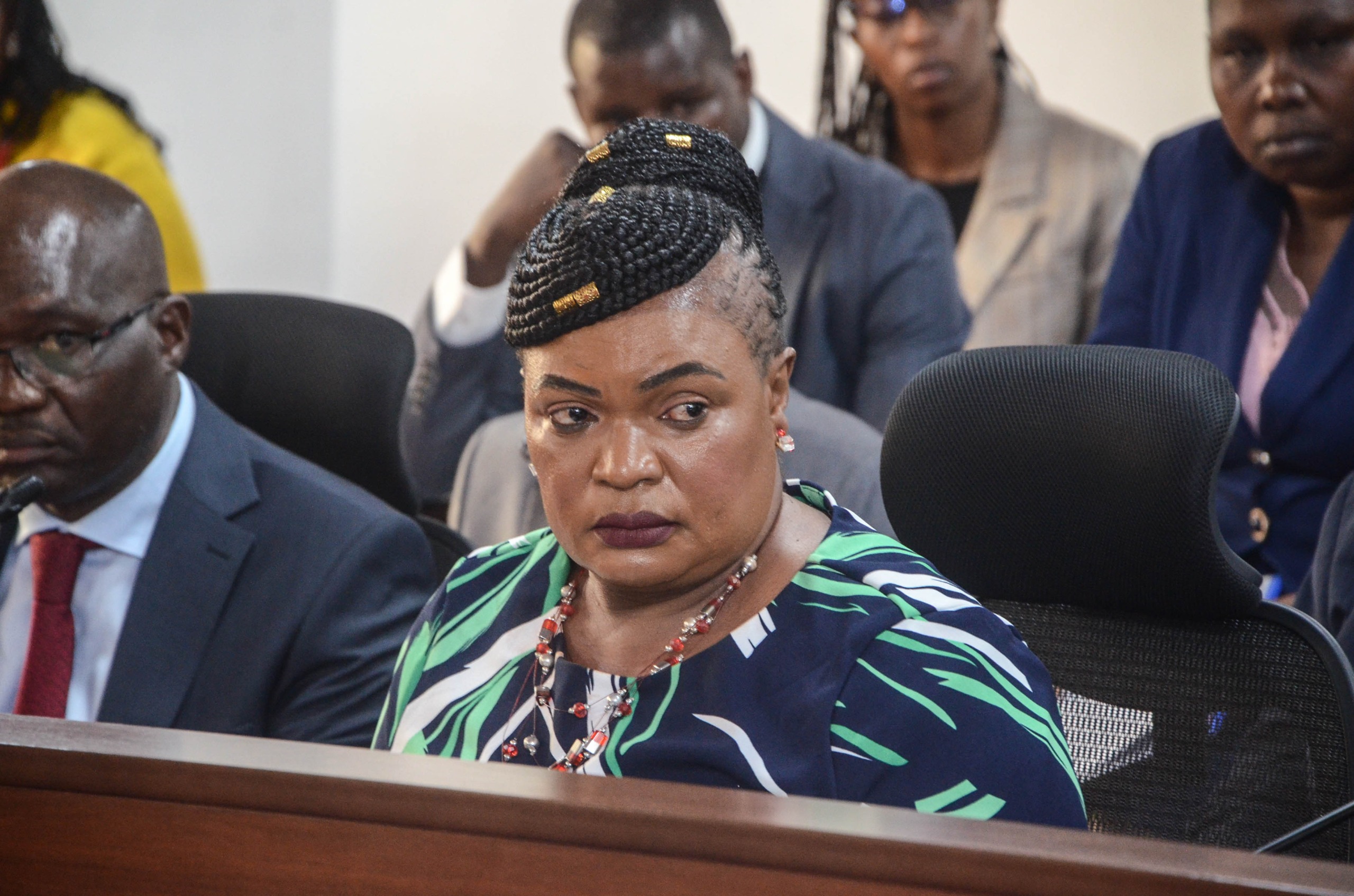
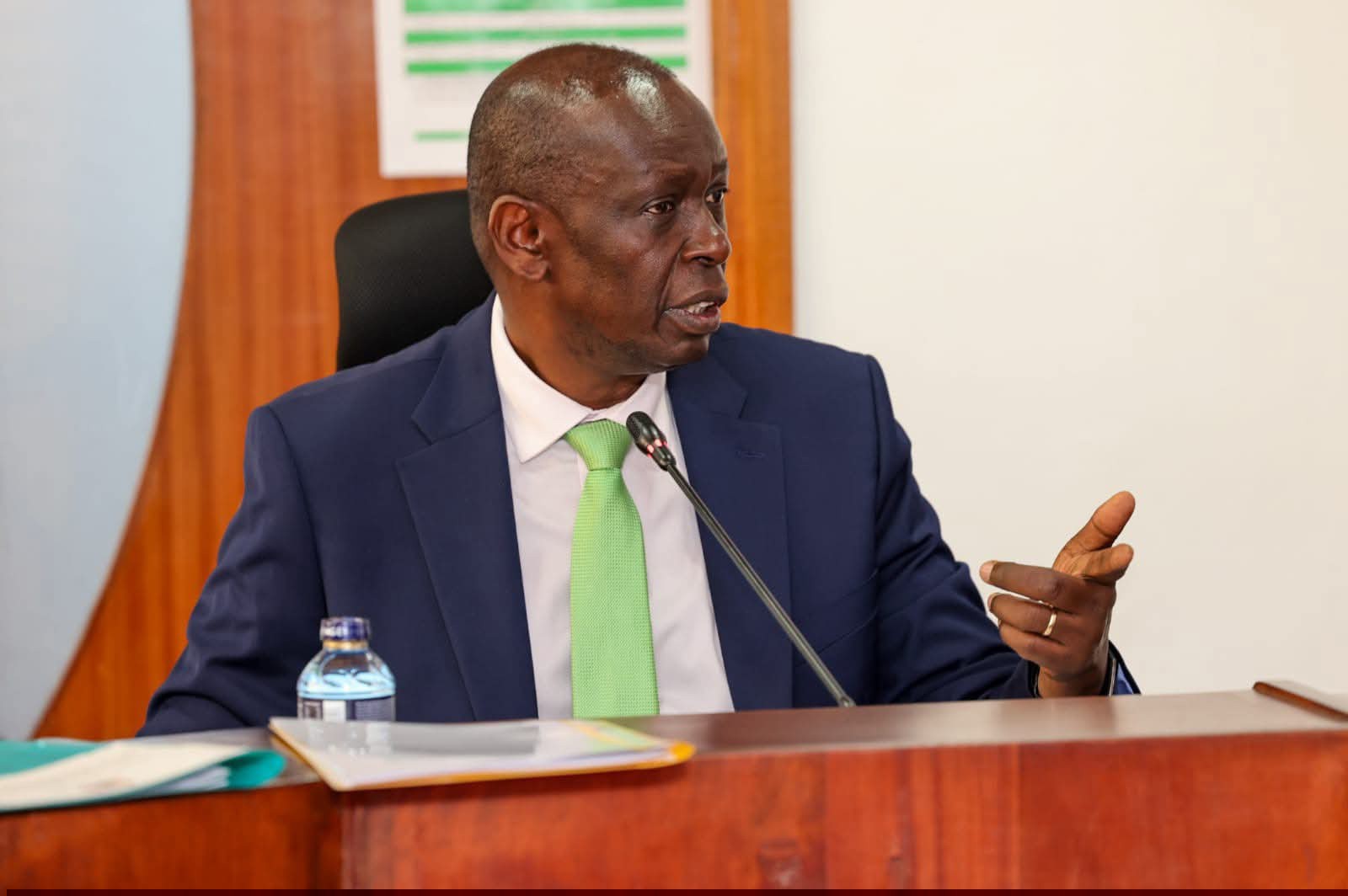
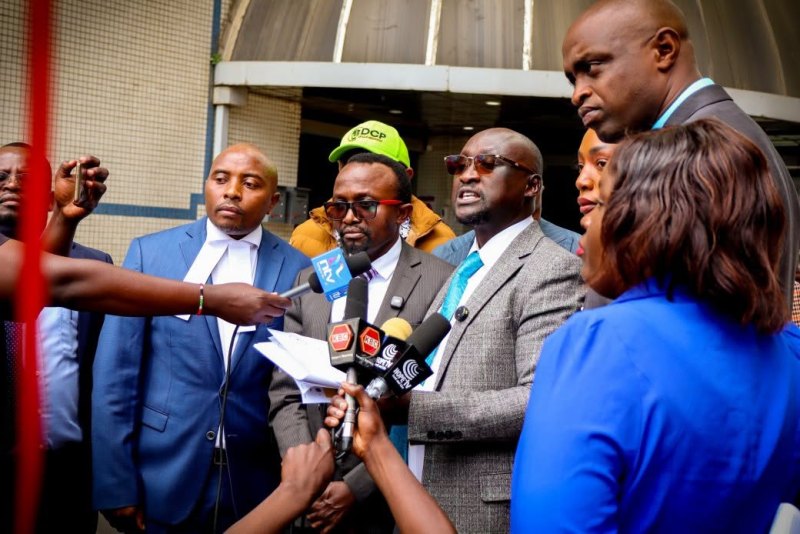
The lawmakers, who were meeting officials from the SRC)
alongside the Principal Secretary for Public Service Dr Jane Kere Imbunya and Public Service Commission acting CEO Paul
Famba, accused authorities of sidelining genuinely
deserving regions while extending hardship allowances to areas that are
comparatively better off.
MPs said
the existing classification lacks objectivity and fails to reflect the
realities on the ground, noting that several remote and underserved regions
continue to suffer without the benefits meant to cushion public servants
working in difficult conditions.
“In Taita Taveta, we have the hilly part with no
roads and very difficult terrain. That particular area is not categorised as
hardship but an area around Voi is classified as hardship but is fairly good,” committee chairman Julius Melly said.
The legislators questioned the criteria used to
determine hardship zones, terming the process opaque and in need of urgent
review.
“If you look at Makueni, some areas are hardship
and others are not. Why can’t we have an
overhaul review,” Kitutu Masaba MP Clive Gisairo said.
“How long does it take to have another review?”
Kibra MP Peter Orero added.
They warned that the skewed listing not only
demoralises public servants deployed in truly difficult areas but also deepens
inequality in service delivery.
Officials from SRC and the Public Service docket
were put to task to explain the methodology behind the categorisation, with MPs
pushing for a transparent, data-driven approach that reflects current socioeconomic
and infrastructural realities.
The lawmakers now want a comprehensive audit and
review of the hardship area framework to ensure fairness and equity, with some
proposing periodic reassessments to keep the list up to date.



![[PHOTOS] The new Ngong –Naivasha Road viaduct](https://cdn.radioafrica.digital/image/2026/06/64d4f771-4432-4aee-ba3c-2f304c4436ec.jpg)