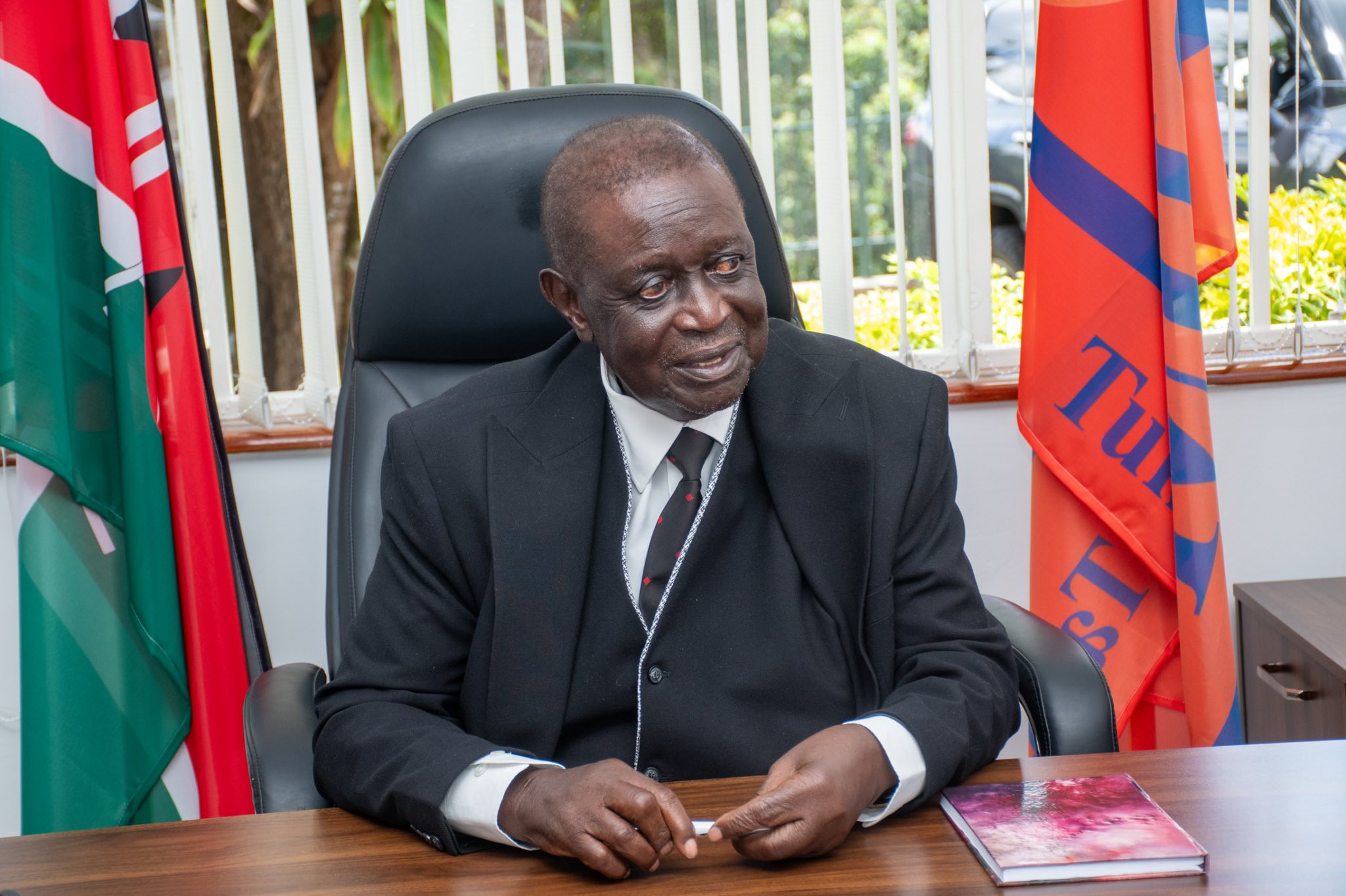
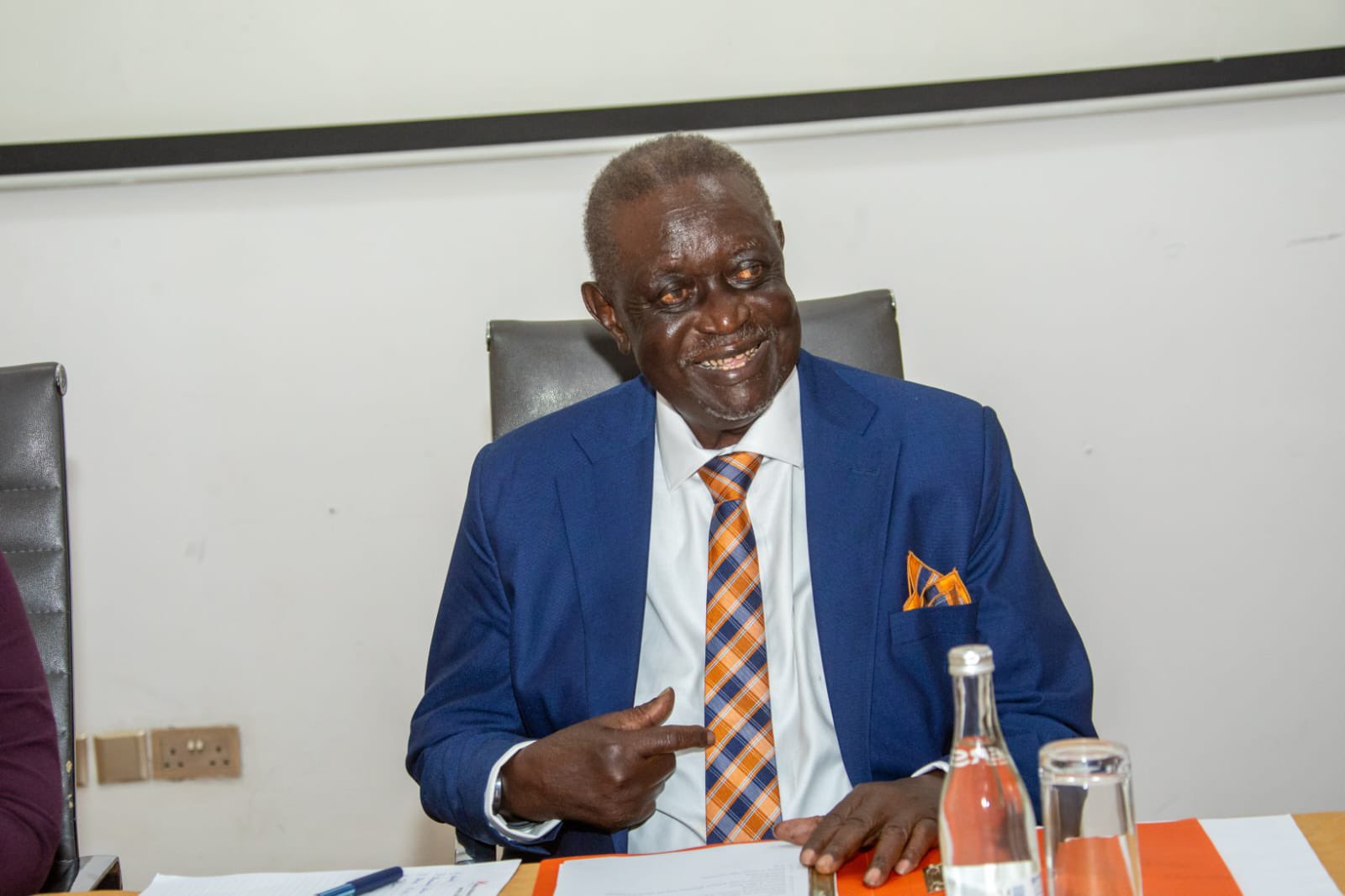
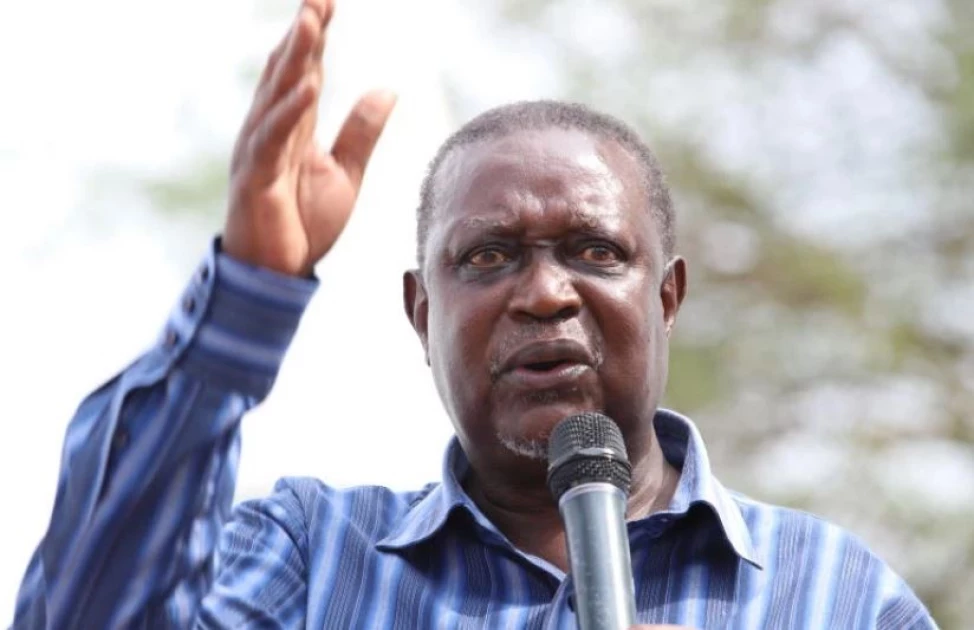
ODM party leader Oburu Oginga has moved to calm rising
tensions within the broad-based camp, saying Orange party remains committed to
pursuing a coalition deal with UDA.
Oburu said on Saturday that despite recent public spats that
have strained ties between the two camps, ODM is only interested in pursuing
coalition talks with UDA.
The Siaya senator dismissed reports that ODM had walked away
from coalition talks, clarifying that formal negotiations with UDA have not yet
begun.
Instead, he said the party is still laying the groundwork
for structured engagement, including the formation of a technical team to steer
the process.
“We as ODM are not interested in other parties we are not
negotiating with. We are only particularly interested in UDA, with whom we are
going to negotiate,” Oburu said.
He added that he has a good relationship with President
William Ruto, the UDA party leader, but asked him to rein in some of his party
officials whom he accused of causing disunity in the broad-based arrangement.
“I personally, as Dr Oburu Oginga, am in a good relationship
with the President, who is the leader of UDA. He needs to discipline and talk
to some of his senior officials in his party. That is all we are saying,” he
said.
“For better or worse, we are only interested in a coalition
arrangement with UDA,” Oburu added.
The party leader’s intervention comes at a time when the
broad-based government is facing infighting. In recent weeks, this has led to
sharp exchanges and growing mistrust between ODM and UDA officials.
ODM has accused UDA of disrespect and encroachment in its
strongholds, as the ruling party seeks to make inroads into the opposition
party’s traditional support bases.
The infighting was triggered by UDA secretary general Hassan
Omar, who has declared his intention to challenge Abdulswamad Nassir for the Mombasa
governorship. Nassir is also one of ODM’s deputy party leaders.
Omar also said UDA would field candidates across the
country, escalating the debate over political “zoning”.
This is an arrangement that would see ODM and UDA avoid
fielding candidates against each other in agreed strongholds.
While ODM has signalled openness to such an approach as a
way of preserving unity and maximising electoral strength, UDA officials have
publicly pushed back, insisting on their right to compete freely across the country.
ODM officials have, however, warned that unchecked
competition could erode the party’s parliamentary base in 2027.
Gladys Wanga, the Homa Bay governor and ODM chairperson, is
among leaders who have defended the party, warning against infiltration and
saying they are ready to walk away from negotiations if necessary.
“If someone tries to destroy our party, even if he is the
one who gives us butter, we will leave that butter,” Wanga said.
She said the party is ready to protect itself from intrusion
and resist any attempt to weaken its parliamentary strength ahead of the next
election.
“We must protect the party. You cannot go to the negotiation
table when you only have 20 MPs because you will have no bargaining power,” she
said.
The war of words escalated further when Busia Woman
Representative and ODM deputy secretary general Catherine Omanyo warned she
would stop supporting the broad-based arrangement.
“I will not look at Kenyans suffering while I sing
broad-based,” she said.
Oburu, however, maintained that zoning and other contentious
issues should be handled at the negotiation table rather than through public
exchanges.
“We don’t want to compete with people we are in a coalition
with,” he said, adding that mutual respect between the parties would be
critical to the success of any agreement.
The party has also been grappling with internal challenges, with
a faction led by secretary general and Nairobi senator Edwin Sifuna expressing
reservations about a pre-election pact with UDA.
This has led to the emergence of the Linda Mwananchi outfit,
which is opposing the broad-based arrangement and President Ruto’s re-election.
Oburu termed the position disrespectful to the party and
directly accused Sifuna of insulting him.
“He has called me mediocre. We invite him to meetings and he
does not attend. We organise meetings and he holds parallel ones. How can we
work with such?” he posed.




![[PHOTOS] The new Ngong –Naivasha Road viaduct](https://cdn.radioafrica.digital/image/2026/06/64d4f771-4432-4aee-ba3c-2f304c4436ec.jpg)




![[PHOTOS] 'Mr Speaker Sir' Gen Z protester in court](https://cdn.radioafrica.digital/image/2026/06/b3e62d8e-25c3-4780-90f9-4eb48b1ce8a7.jpg)