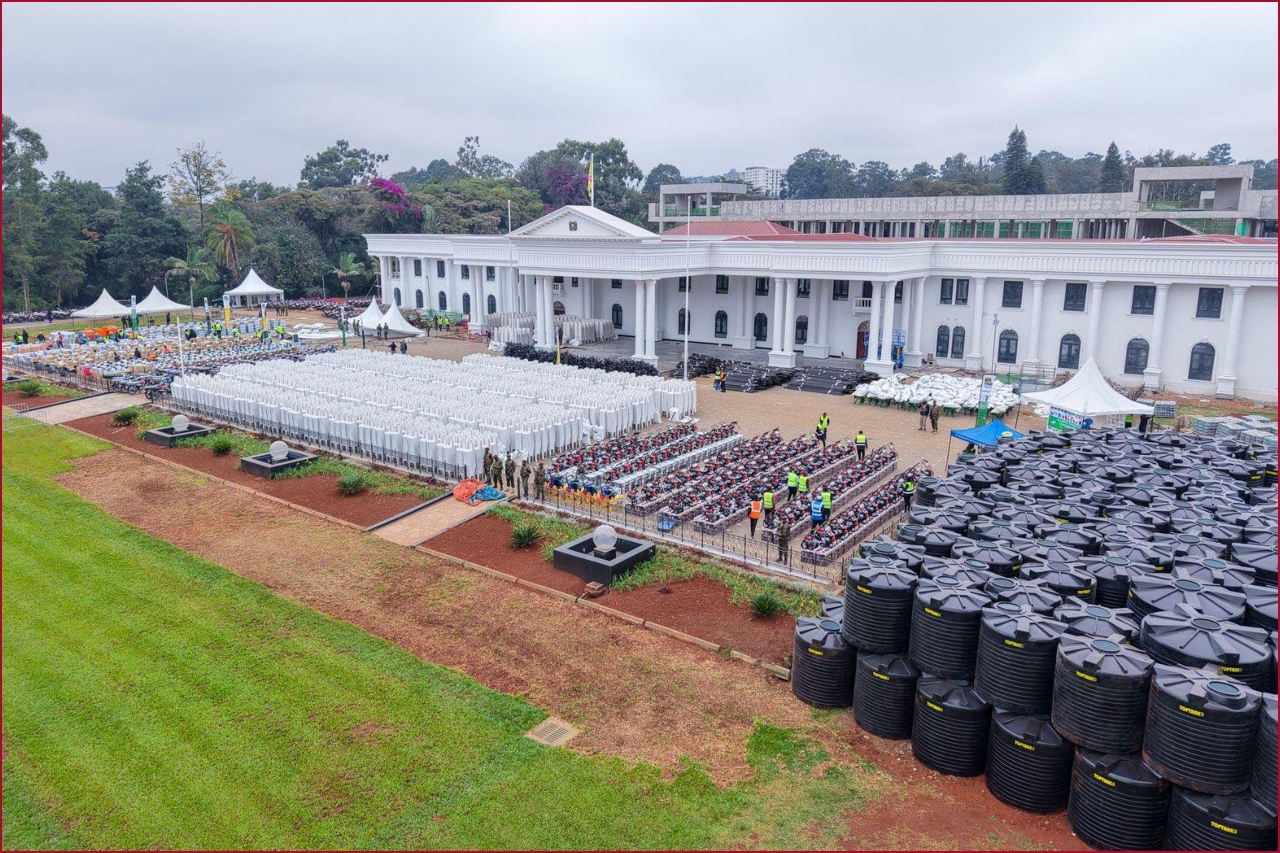
For decades, the State House in Nairobi was an
enigma, a fortress of solitude where the gates only swung open for foreign
dignitaries and the highest echelons of government. It was the ultimate symbol
of the "House on the Hill"—unreachable, shrouded in mystery and
fiercely guarded.
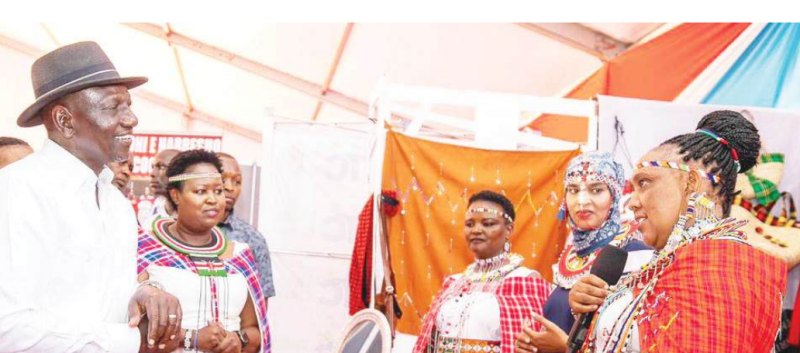
However, under the current administration, this
historical paradigm has shifted. Today, a song, a uniform, or a simple request
from a community delegation appears to be the golden ticket.
From youth groups
and women’s associations to church leaders and grassroots elders, the
presidency has transitioned into a bustling hub of daily public
engagement.
While this ‘bottom-up’ approach to governance is hailed by
supporters as a triumph of inclusivity, it has ignited a fierce constitutional
debate regarding the sanctity of the office and the legality of using state
resources for what many perceive as perpetual political campaigning.
For
starters, the logistics of these visits present a unique set of challenges.
Traditionally, access to State House is governed by the Protected Areas Act,
which classifies the residence as a high-security zone where unauthorised entry
is strictly prohibited.
It doesn't take an expert to deduce the security nightmare inherent
in managing large, frequent delegations.
Although
the President has emphasised the importance of these interactions as part of a
people-centred leadership, reports have emerged regarding the operational
costs.
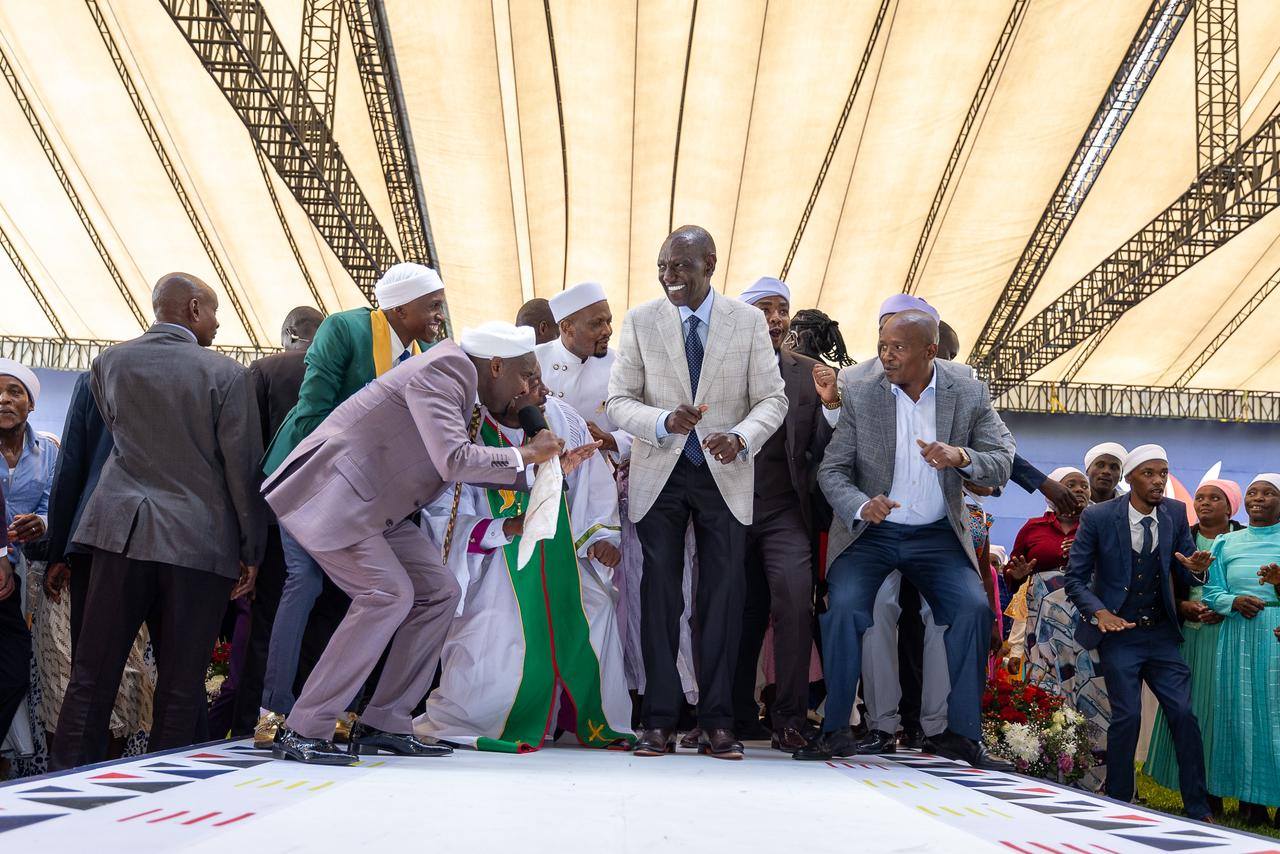
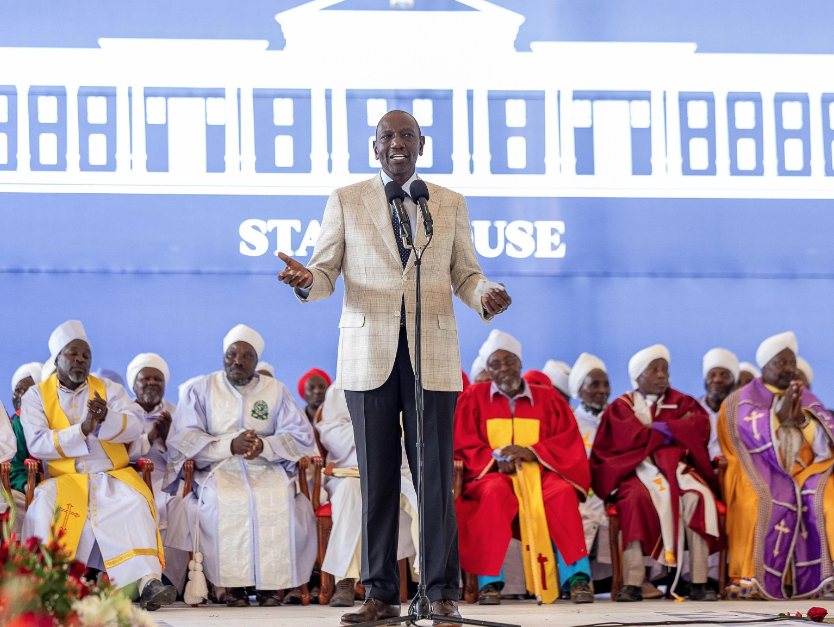
On Sunday, he hosted a delegation of the
Akorino church for a thanksgiving service at State House. While official
reports did not provide a specific head-count of the attendees, the event was
attended by Deputy President Kithure Kindiki and several lawmakers.
Even with a
grossly understated figure, such as 200 Akorino faithful, a “travelling
allowance” of as low as Sh3,000 amounts to Sh600,000. That's more than half a million spent in a few
hours, on one small demographic.
To be fair, the Akorino aren't the only
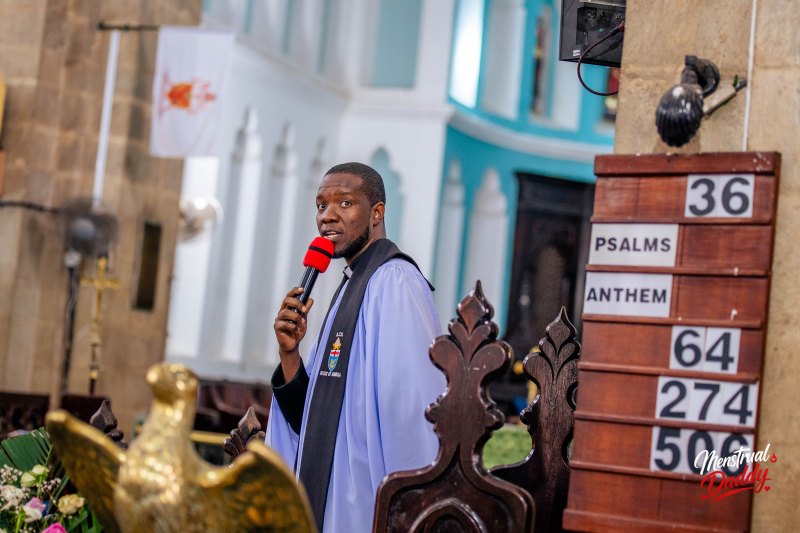
religious sect to make the trip. Anglicans and evangelicals have been there.
Outside of clerics, there have been visits by teachers, boda boda operators and
creatives who have had their share of "empowerment drives" and
"engagement activities".
Then
there's the other matter of hosting party delegates.
The 2010 Constitution is explicit
regarding the conduct of political parties and the use of national assets.
Article 91 (2) (e) states that a political party shall not, except as provided
by an Act of Parliament, "accept or use public resources to promote its
interests or its candidates in elections."
This provision exists to ensure a level playing field
and to protect the integrity of the state from being swallowed by the machinery
of a ruling party.
When the
United Democratic Alliance or any other political entity holds internal party
meetings within the confines of State House, critics argue it blurs the line
between the president
as the head of state—representing all
Kenyans—and the president
as a party leader.
Legal
scholars often point out that while the State House is the president’s official residence, it is
primarily a public office funded by taxpayers.
Using its
prestige and facilities for partisan strategy sessions raises fundamental
questions about whether the "House on the Hill" is being treated as a
private club rather than a national monument.
This steady
flow of humanity into and out of the State House might be the reason this
prestigious abode has needed renovations multiple times.
The
administration has utilised at least five distinct budgetary windows (main and supplementary) to secure these funds
between 2023 and 2026.
In the
first full budget (financial
year 2023-24)
cycle under the current administration, the Treasury requested millions for the
"general maintenance" and "refurbishment" of State Houses
and lodges.
And as
Africans are known to appreciate nutrition, food and drink comes as part of the
package. The hospitality budgets are as astounding as the number of visits
scheduled to the State House.
Late last year, data
indicated that the presidency was spending significant sums on administrative
services, including the printing of thousands of invitation cards.
In a
climate where the nation is grappling with economic austerity, the optics of
hosting daily delegations for tea and meals can be polarising. For many
visitors, the experience is transformative—a rare chance to be
"heard" by the most powerful man in the country.
For skeptics, it is
a sophisticated form of "vote hunting," where the hospitality of the
state is used to secure future political loyalty.
Beyond the
legal and financial scrutiny, there is the question of institutional sanctity.
State House was designed to be the seat of executive authority and should
maintain a degree of "majesty" and distance to preserve its role as a
symbol of national unity.
If the office becomes too accessible or too closely
associated with one party's grassroots mobilisation, it risks losing its status
as a neutral arbiter of the law.
Looking
forward, Kenya must find a balance between a presidency that is accessible to
its citizens and one that respects the constitutional guardrails of the
republic.
Civic
participation is a cornerstone of the 2010 Constitution and the president has every right to
consult with the people.
However,
the protocol for such visits should be transparent, ensuring that the State
House remains a house for all Kenyans, regardless of their political
affiliation.
As the
country matures democratically, the challenge will be to ensure that the House
on the Hill is a place where policy is crafted for the common good, rather than
a theatre for the next election cycle.
The
sanctity of the State House is not just about its walls and gates; it is about
the principle that the state and the party are two distinct entities that must
not be allowed to merge.




![[PHOTOS] The new Ngong –Naivasha Road viaduct](https://cdn.radioafrica.digital/image/2026/06/64d4f771-4432-4aee-ba3c-2f304c4436ec.jpg)





![[PHOTOS] 'Mr Speaker Sir' Gen Z protester in court](https://cdn.radioafrica.digital/image/2026/06/b3e62d8e-25c3-4780-90f9-4eb48b1ce8a7.jpg)