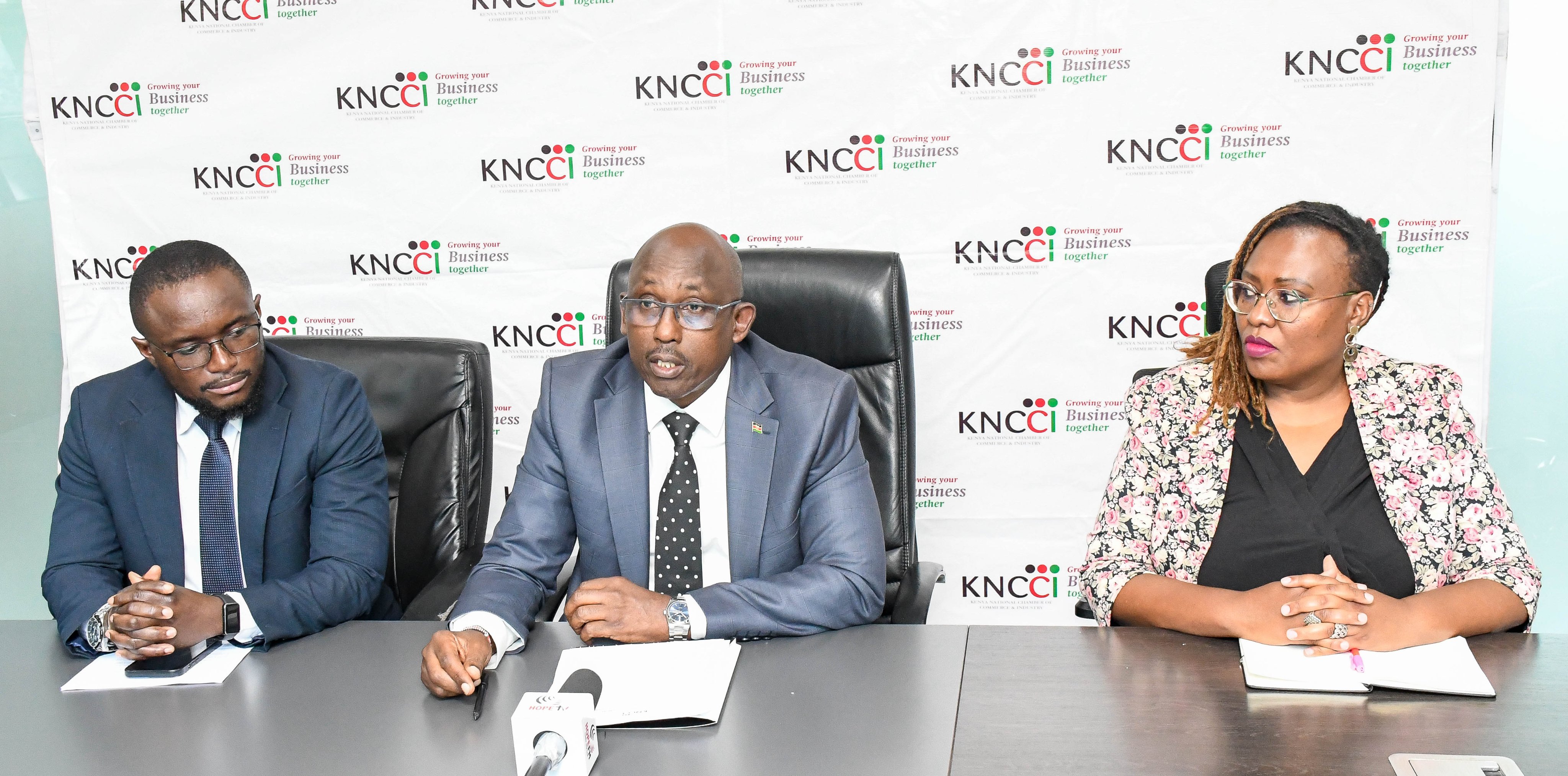
In response to recent increase in fuel prices, the Kenya National Chamber of Commerce and Industry (KNCCI) has called for structural tax reforms to reduce the cost burden and improve transparency.
The KNCCI chief executive officer Kenneth Mutahi said while the organisation applauds efforts to lower fuel prices in response to EPRA's additional eight per cent VAT, he said the reduction is only a temporary relief.
Mutahi acknowledged that the US and Israel's war against Iran was the primary cause of the fuel pressure being felt globally and that it is interfering with international oil supply chains.
"As a net importer of petroleum products, Kenya remains highly exposed to such global shocks," he said.
He said businesses and livelihoods, which were already grappling with high cost of living, face immense pressure from the fuel increase.
“Kenyan businesses cannot absorb another fuel shock of this magnitude without serious consequences for jobs, prices and economic stability.”
Mutahi described fuel as more than a commodity but the backbone to every sector of Kenya's economy, noting that fuel shortage directly affects domestic inflation, transport costs and businesses.
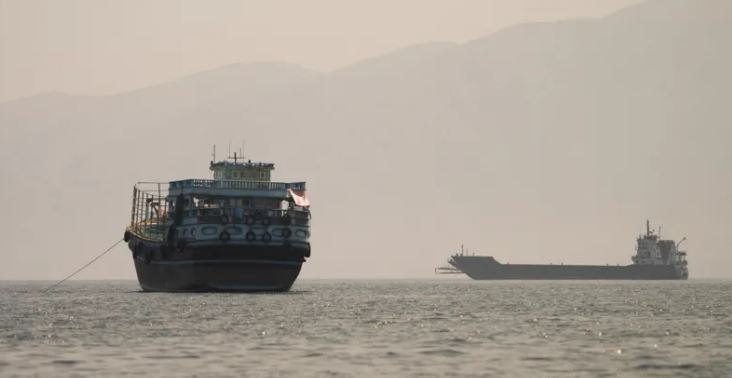
He said Kenya's supply chains and export capacity are strained by increased delivery times and costs due to disruptions in key shipping routes such as the Red Sea and Suez Canal.
"Kenya’s trade exposure to the Middle East, valued at over Sh700 billion annually, means prolonged instability will directly affect key exports," Mutahi said.
The key exports include tea, horticulture, meat and coffee, undermining foreign exchange earnings and market access.
"Without urgent intervention, this crisis will translate into higher food prices, reduced export competitiveness and slower economic growth."
The CEO has called for a comprehensive review of fuel taxes and levies, public-private sector dialogues before major pricing decisions and targeted support for transport operators, local businesses, and export sectors mostly affected by the high fuel costs.
"The private sector stands ready to partner with the government to stabilise prices, protect jobs and safeguard Kenya’s economic competitiveness."

![[PHOTOS] The new Ngong –Naivasha Road viaduct](https://cdn.radioafrica.digital/image/2026/06/64d4f771-4432-4aee-ba3c-2f304c4436ec.jpg)









![[PHOTOS] 'Mr Speaker Sir' Gen Z protester in court](https://cdn.radioafrica.digital/image/2026/06/b3e62d8e-25c3-4780-90f9-4eb48b1ce8a7.jpg)