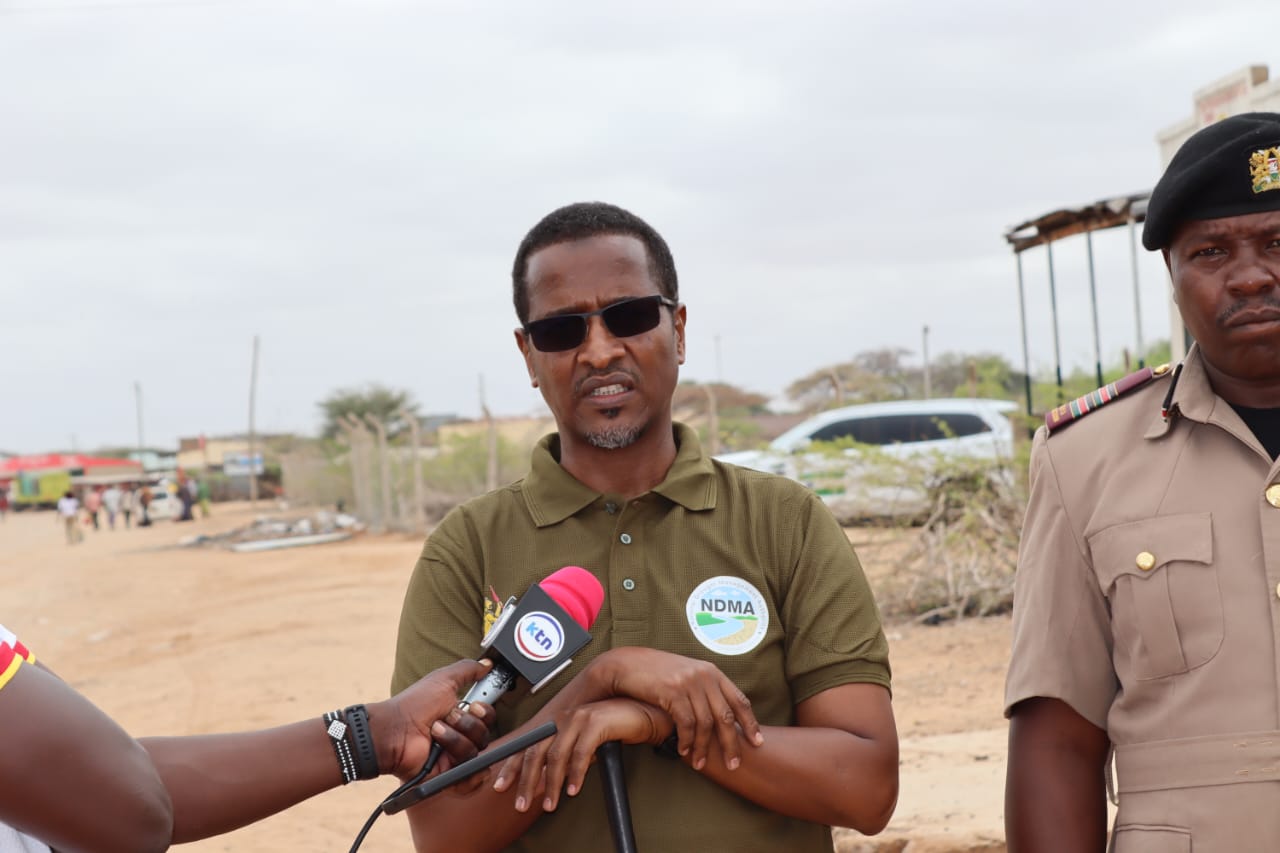
The National Drought Management Authority (NDMA) has reported notable improvement in drought conditions across Kenya’s 23 Arid and Semi-Arid Lands (Asal) counties following the onset of the March-April-May long rains.
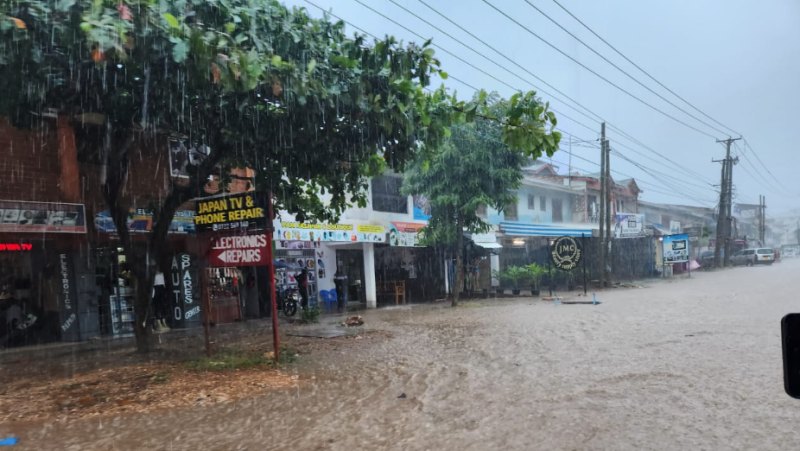
According to the NDMA update, most counties received near to above-average rainfall in March.
This has resulted in improved recharge of water sources, regeneration of pasture and browse, reduced livestock trekking distances, better livestock body condition and increased milk production.
In marginal agricultural areas, land preparation and planting activities have started.
The authority provided drought phase classifications for the counties, identifying Mandera and Wajir in the alert phase.
Kilifi and Kwale were categorised as being in the recovery phase, while Garissa, Isiolo, Kitui, Lamu, Marsabit, Turkana and West Pokot were categorised as being in the alert phase.
Samburu, Kajiado, Baringo, Embu, Meru, Laikipia, Tana River, Tharaka Nithi, Taita Taveta, Makueni, Nyeri and Narok were classified as normal.
"However, recovery remains fragile and continued vigilance and early action remain critical, especially in counties still under 'Alarm' and 'Alert' phases," NDMA said.
The report outlined priority measures by sector to support recovery and build resilience.
In the livestock and rangelands sector, measures include disease surveillance, vaccination, deworming and treatment, establishment of feed reserves, fodder production and storage, as well as pasture reseeding and rangeland rehabilitation.
For water, sanitation and hygiene, planned interventions involve rehabilitation and drilling of boreholes, provision of water treatment chemicals, and expansion of rainwater harvesting systems.
In health and nutrition, the NDMA recommended scaling up outreach and mass nutrition screening, provision of integrated management of acute malnutrition commodities and intensified hotspot mapping and surveillance.
Agricultural actions include the distribution of drought-tolerant seeds and farm inputs, the promotion of climate-smart agriculture and strengthened crop pest surveillance.
Education priorities cover sustained school meals programmes, improved water access in schools and support for vulnerable learners through bursaries.
On peace and security, the focus is on intensified peace-building and conflict-resolution initiatives to address disputes over water, pasture and natural resources, along with strengthened surveillance of potential conflict hotspots and support for affected communities.
Communities have been advised to plant early using certified drought-tolerant seeds, seek early treatment for children at risk of malnutrition, conserve water and use safe treated water, and report livestock disease outbreaks and crop pests promptly.
"The government, through the established coordination structures, continues to monitor the negative impacts of drought in ASAL counties and coordinate recovery efforts to protect lives, livelihoods and resilience gains."
![[PHOTOS] The new Ngong –Naivasha Road viaduct](https://cdn.radioafrica.digital/image/2026/06/64d4f771-4432-4aee-ba3c-2f304c4436ec.jpg)








![[PHOTOS] 'Mr Speaker Sir' Gen Z protester in court](https://cdn.radioafrica.digital/image/2026/06/b3e62d8e-25c3-4780-90f9-4eb48b1ce8a7.jpg)