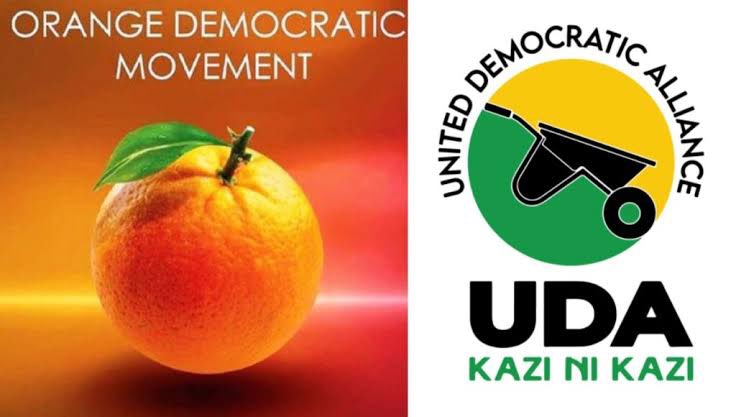
The insistence by ODM that zoning must be entrenched as a
core pillar of any pre-election pact with UDA has placed the head of state in a
tight corner.
While zoning arrangements could help cement a strategic
alliance between the two parties, they also risk alienating UDA’s grassroots
supporters and aspirants, who are keen to compete freely across the country.
ODM considers regions such as Nyanza, Western and the Coast
as its traditional strongholds and is keen to shield them from what it sees as
encroachment by UDA.
The party argues that preserving these zones is essential to
maintaining its political identity and bargaining power in any coalition
arrangement.
Political analyst Daniel Orogo notes that conceding these
regions would weaken ODM’s standing.
“For ODM, giving up its strongholds would undermine its
identity and negotiating leverage,” Orogo said. However, he observed that UDA’s
contrasting approach is driven by its ambition to transform into a truly
national party.
“UDA’s push to field candidates across the country is rooted
in its desire to expand its footprint and avoid being confined to perceived
bases,” Orogo added.
“This fundamental difference in approach creates a potential
fault line in any alliance talks.”
The debate has gained momentum in recent weeks, with ODM
leaders taking an increasingly hardline stance.
Speaking last weekend, ODM national chairperson Gladys Wanga
insisted that the party would only engage in negotiations with UDA on the same
level.
“If we are going for negotiations, we are going as equal
partners, not as a weaker party,” Wanga said, signalling ODM’s firm position
ahead of any possible coalition talks.
Her remarks were echoed by a section of ODM lawmakers, who
warned that the party would not tolerate UDA fielding candidates in areas it
considers its political bastions.
=Alego Usonga MP Sam Atandi was particularly emphatic,
declaring zoning a non-negotiable issue.
“We are ready to die for zoning. There is no negotiation
when it comes to zoning. We are not going to allow UDA to plant candidates in
Luo Nyanza and other ODM strongholds,” he said.
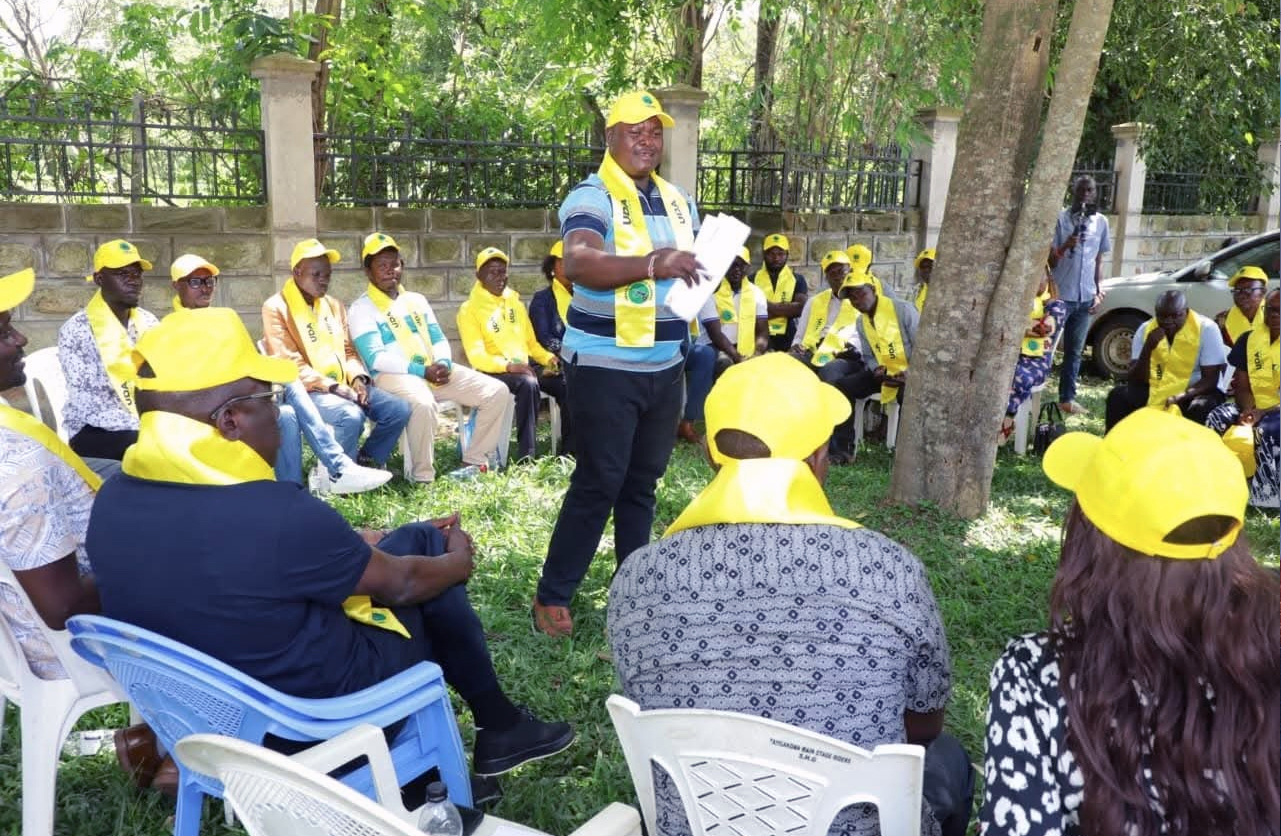
The dispute has been further escalated by UDA’s aggressive
grassroots mobilisation, particularly in the Coast region.
During a recent tour, UDA officials announced plans to field
candidates for all elective seats across the six counties of Mombasa, Kwale,
Kilifi, Lamu, Taita Taveta and Tana River.
The move has been interpreted by ODM as a direct political
challenge that could reshape the electoral landscape.
In Mombasa, UDA secretary general Hassan Omar is already
positioning himself for the gubernatorial race, setting up a potential showdown
with incumbent ODM Governor Abdulswamad Nassir.
Within ODM, however, divergent views are beginning to
emerge.
Suba North MP Millie Odhiambo has urged caution, questioning
whether zoning aligns with democratic principles and the party’s long-standing
strengths.
“I don’t know if there is an official position by the party
on the matter, but my personal position is that ODM is a popular party and we
have always declared it is the largest party in the country,” she said.
Odhiambo added that pushing zoning could send the wrong
message to voters.
“When we start pushing zoning, it means that we are putting
our personal interests ahead of our constituents. If I have worked for my
constituents, I should not fear competition,” she said.
Meanwhile, resistance to zoning is also emerging from within
UDA ranks, particularly in ODM strongholds such as Homa Bay, where local UDA
members have rejected calls for restricted competition.
Political commentator Joseph Mutua warned that if
mishandled, the zoning dispute could unravel the fragile cooperation between
Ruto and ODM, with far-reaching consequences.
“ODM pulling out of a deal would not only deny Ruto access
to a vast and loyal voter base, but also potentially re-energise opposition
forces against him,” Mutua said.
“Such a scenario could recreate the very political dynamics
that Ruto has been working hard to neutralise: an energised, united opposition
with a clear regional stronghold advantage.”
Mutua further cautioned that the optics of the decision
could be just as consequential as the substance itself.
“Should Ruto concede too much to ODM, he risks backlash from
UDA loyalists who may feel shortchanged and sidelined. On the other hand,
rejecting zoning outright could be interpreted by ODM as bad faith,” he said.
“This balancing act requires careful negotiation, strategic
compromise and clear communication to both parties’ supporters.”
As the debate intensifies, it is becoming increasingly clear
that the stakes for Ruto are exceptionally high. A collapsed deal with ODM
could fragment his support base, complicate his re-election strategy and open
the door for a formidable opposition coalition.

![[PHOTOS] The new Ngong –Naivasha Road viaduct](https://cdn.radioafrica.digital/image/2026/06/64d4f771-4432-4aee-ba3c-2f304c4436ec.jpg)





![[PHOTOS] 'Mr Speaker Sir' Gen Z protester in court](https://cdn.radioafrica.digital/image/2026/06/b3e62d8e-25c3-4780-90f9-4eb48b1ce8a7.jpg)