
It is understood that the letter was delivered at the
ministry, which has central say in matters of energy, after the first ship had
docked and cargo discharged.
It is understood that it was on the receipt of this
letter that CS Wandayi directed Liban to stop the second shipment.
In the letter to Wandayi, CS Kinyanjui said the waiver
was conditional, and that the fuel was to be subjected to inspection at the destination.
He said the fuel would be commingled with the existing stock and asked Epra and Kenya Pipeline Company to control the distribution of the
commingled stocks.
This was to await the arrival of another consignment, which
was to be used “to further mitigate excess manganese in the fuel currently in
stock.”
The miscommunication has emerged as a central plank in
Wandayi’s defence, that he neither initiated nor substantively influenced the
procurement model that ultimately triggered the crisis.
Complicating matters further is the involvement of the
National Security Council Committee (NSCC), which sanctioned the sourcing of
the fuel consignment amid fears of an impending shortage.
While the NSCC’s approval provided political cover for
the importation, investigators say it did not, and could not, override
established procurement frameworks.
The fuel was sourced outside the standard
Government-to-Government (G-to-G) arrangement, a deviation that has since been
flagged as irregular.
The departure from protocol, rather than the importation
itself, appears to have alarmed the President.
Sources indicate that once details of the procurement
breaches reached State House, the matter was escalated, leading to the arrest
of PS Liban, Kiptoo and KPC’s Joe Sang.
They were booked on alleged inflated pricing, lack of
transparency and the potential for manipulation by entrenched cartels.
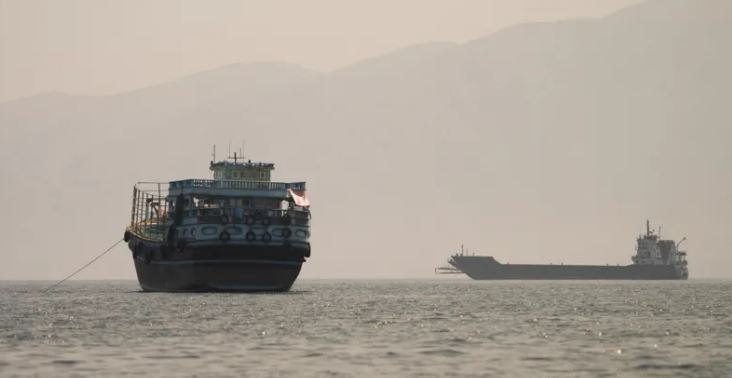
A waiver issued to allow the importation of 68,000 tonnes of premium motor spirit (PMS) with specifications that did not
fully comply with Kenyan standards raised eyebrows.
The Star has established that the substandard product
was red-flagged during quality control procedures at KPC.
The document shows Kinyanjui recommended to the authorities to
relax certain parameters under KS EAS 158:2025 to accommodate the cargo aboard
the vessel MT Paloma.
While Kebs has come under scrutiny over the waiver,
insiders argue that the agency acted within a request framework that had
already been escalated through multiple government layers.
Kebs MD Ngari did not pen her signature in the
reply to Liban’s request. Kinyanjui wrote back by virtue of the standards agency
being under the Trade ministry docket.
Investigators are questioning whether the agency was
being used as a technical conduit for a decision already taken elsewhere.
This interpretation appears to have influenced the
President’s decision not to take immediate action against Ngari.
Officials directly involved in the execution of the
procurement have borne the brunt of the fallout, especially those linked to the
vessel committee and supply chain processes.
Their roles, investigators say, placed them closer to
the operational irregularities, including the structuring of the deal outside
the G-to-G framework, and the handling of documentation tied to the shipment.
On Wednesday, detectives from the Directorate of
Criminal Investigations (DCI) recorded statements from additional members of
the vessel committee.
The committee sat on March 18, 2026, and concluded that Kenya was facing a fuel crisis.
"Following the situation, it was noted that the country is very low on PMS stocks and the PMS daily demand had increased by an average of 20 per cent with an expectation of rising demand due to the upcoming holidays," minutes of the meeting seen by the Star reads.
"The ministry requested to consult internally and revert the possibility of calling an emergency PMS cargo,"
The move signalled that the probe is now zeroing in on
the technical chain of events rather than the political leadership.
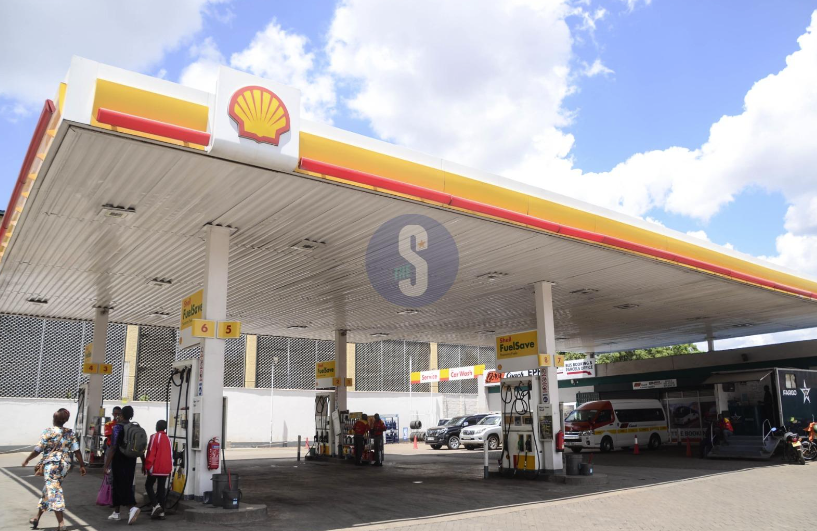
One Petroleum Ltd, the company that delivered the fuel,
on Tuesday said it had withdrawn the product from the Kenyan market.
This followed a directive by the government to the company
to immediately withdraw the invoices it had issued.
The government further directed Oil Marketing Companies to
neither pay the invoices nor uplift product from the said consignment.
The government maintained that the controversial 60,000-tonne consignment was imported into the country in contravention of the G2G procedures.
This is premium content
Subscribe to Continue Reading

Help us continue bringing you unbiased news, in-depth investigations, and diverse perspectives. Your subscription keeps our mission alive and empowers us to provide high-quality, trustworthy journalism. Join us today to make a difference!
Already paid? Sign in

![[PHOTOS] The new Ngong –Naivasha Road viaduct](https://cdn.radioafrica.digital/image/2026/06/64d4f771-4432-4aee-ba3c-2f304c4436ec.jpg)








![[PHOTOS] 'Mr Speaker Sir' Gen Z protester in court](https://cdn.radioafrica.digital/image/2026/06/b3e62d8e-25c3-4780-90f9-4eb48b1ce8a7.jpg)