The report by
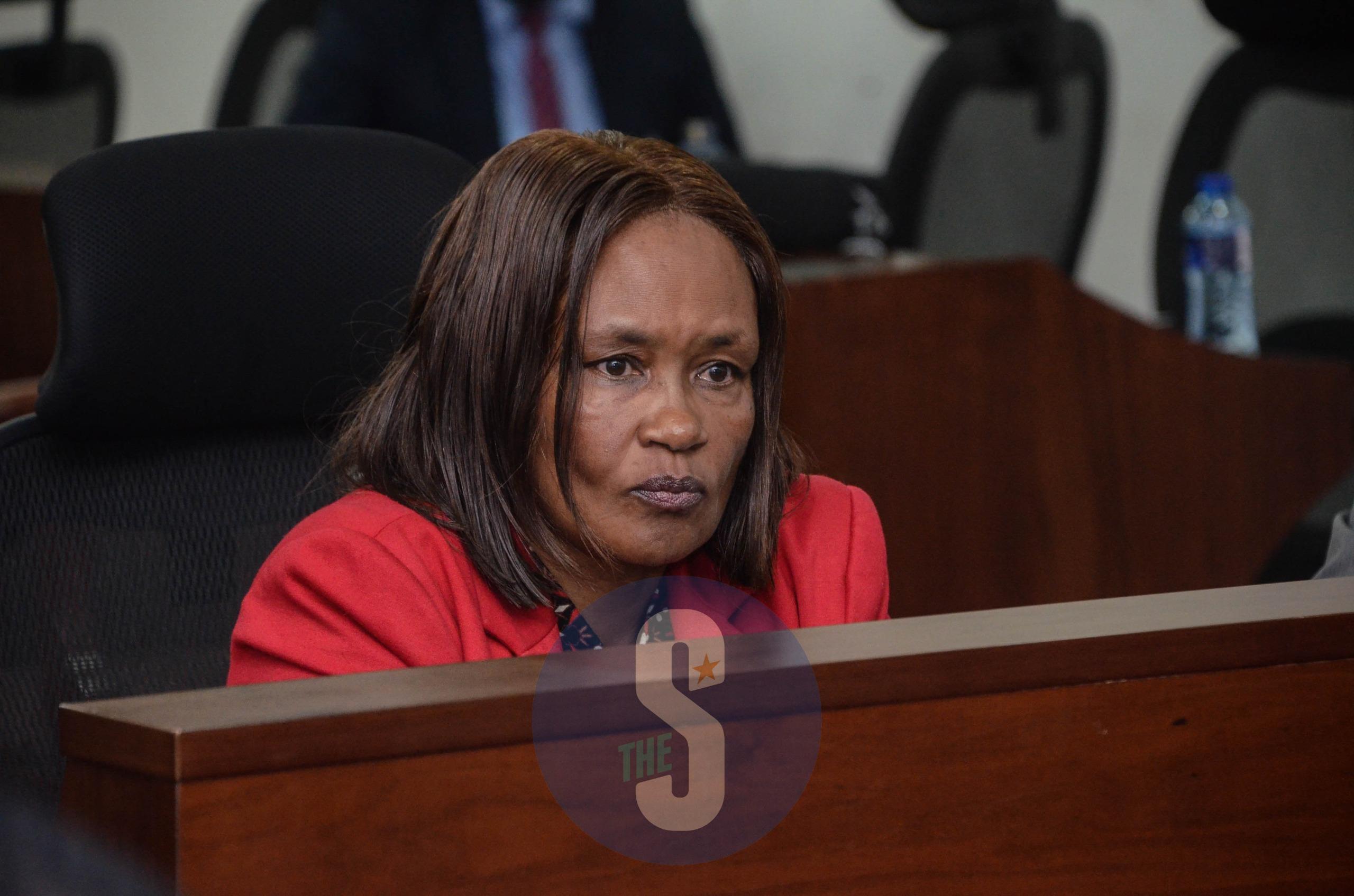
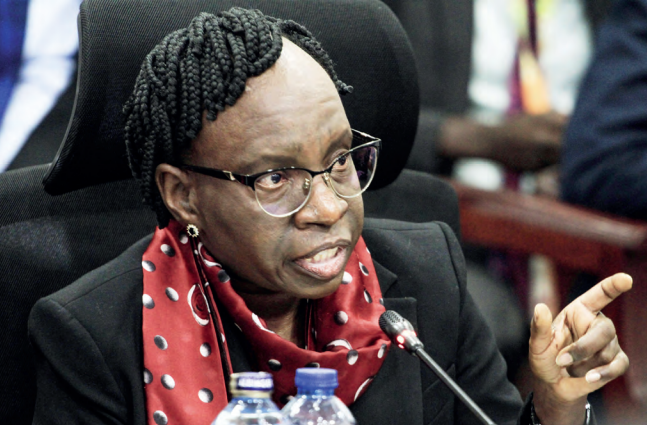
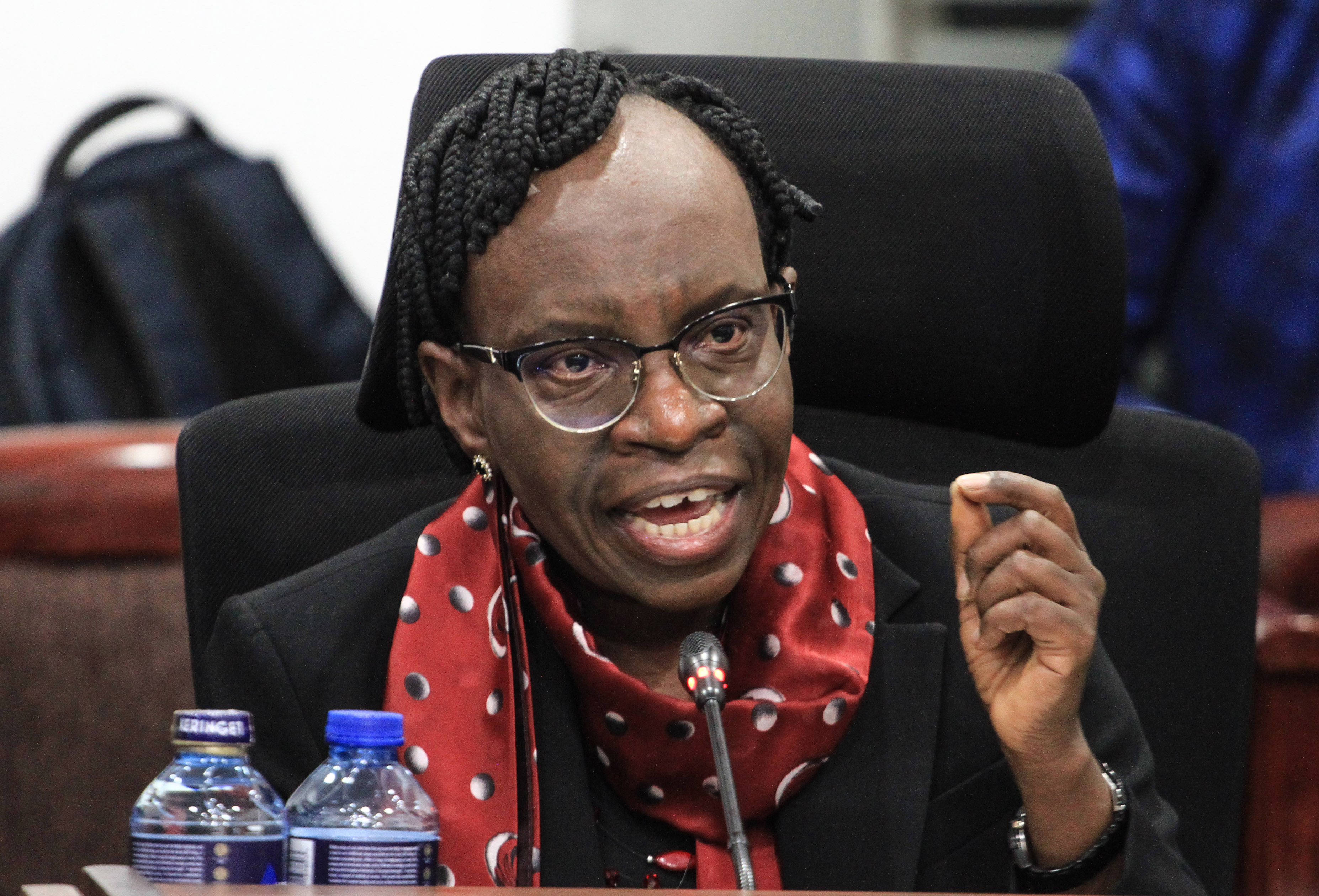
Auditor General Nancy Gathungu has flagged serious gaps in the administration
of the multibillion-shilling cover.
The report for the financial year ended June 30, 2025, also reveals
that public hospitals were excluded from the service providers list.
Gathungu has also flagged delays
that forced teachers to pay medical bills out of pocket, putting the Teachers
Service Commission on the spot.
The auditor has raised
concerns over how TSC managed the Sh53.6 billion medical insurance contract.
The three-year contract,
signed on November 17, 2022, was meant to provide comprehensive medical cover
for 341,837 teachers.
Teachers were to be covered
alongside their spouses and up to four children, making it one of the most
significant welfare schemes for public servants.
The annual payments were
scheduled to rise from Sh14.98 billion in the first year to Sh20.66 billion in
the final year ending November 2025.
However, the audit reveals
that despite the huge investment, the structure and execution of the medical scheme
may have disadvantaged teachers.
“It was noted that the
medical services required pre-authorisation, which took long, with teachers
ending up paying to receive the service,” Gathungu said.
On the exclusion of public hospitals, the audit cites the contract’s schedule, which lists 814 healthcare providers across the country.
It was noted that the list omitted a significant number of public hospitals that many teachers would have easily accessed for affordable care.
The Auditor General has called out TSC management, saying it did not provide any explanation for the exclusion or the criteria used to select the listed facilities.
The omission effectively pushed teachers towards private and mission hospitals, which, in many cases, are more expensive or less accessible.
Teachers, especially in rural areas where public hospitals form the backbone of healthcare, were thus constrained.
Those in remote regions may have been forced to travel long distances to access approved providers or incur extra costs.
As a result, teachers were forced to pay cash to receive treatment, defeating the purpose of the insurance cover.
The findings raise accountability concerns about whether teachers received value for money from the multibillion-shilling arrangement.
With the government committing more than Sh53 billion to the scheme, expectations were high that teachers would enjoy efficient and accessible healthcare services.
Instead, the bureaucracies limited the benefits, with some teachers reportedly reverting to out-of-pocket payments despite being insured.
Teachers, on the expiry of the
insurance in November 2025, were moved to the Social Health Authority (SHA) cover
– christened ‘Mwalimu Cover’.
It expanded access to more than 6,000
accredited public, private and faith-based hospitals nationwide.
It is touted as having comprehensive
benefits, including inpatient, outpatient, chronic disease management and rehabilitation
services.
Coverage is limited based on
job groups, with coverage for the principal (teacher) alongside their spouse and
five children.
Despite the shift, stakeholders,
including teachers’ unions, have recently raised concerns over the performance
of the new scheme.
At the weekend, Knut threatened to pull out of its agreement with SHA, saying teachers have faced
challenges accessing treatment.
The union also warned it
could call a nationwide strike to protest the inadequacies if the government fails
to address their concerns.
Knut’s counterpart, Kuppet,
also raised similar concerns, even as Health CS Aden Duale defended the system
as apt.
“It appears the SHA facility is
not working either because hospitals are blackmailing our members. There is an
outcry countrywide,” Kuppet secretary general Akello Misori said.
Misori quipped the
government’s pledge was yet to be fulfilled, a situation Duale said could be
attributed to the ongoing crackdown affecting some facilities.
“All the concerned
facilities are involved in the theft of SHIF and Mwalimu’s cover. We have more than 6,000 facilities serving teachers,” Duale said.
The CS said Homa Bay, Bungoma, Mandera, Wajir and Kisii have been flagged for
suspicious medical claims, largely from privately owned facilities.
He said since March
30, 12 facilities have been shut down over alleged fraud, with 24 currently
under forensic audit and 250 under DCI probe.
“So far, 30 case files have
been forwarded to the Office of the Director of Public Prosecutions, and 18
facilities are in court. In total, more than 1,000 facilities have been closed.”



![[PHOTOS] The new Ngong –Naivasha Road viaduct](https://cdn.radioafrica.digital/image/2026/06/64d4f771-4432-4aee-ba3c-2f304c4436ec.jpg)





![[PHOTOS] 'Mr Speaker Sir' Gen Z protester in court](https://cdn.radioafrica.digital/image/2026/06/b3e62d8e-25c3-4780-90f9-4eb48b1ce8a7.jpg)